
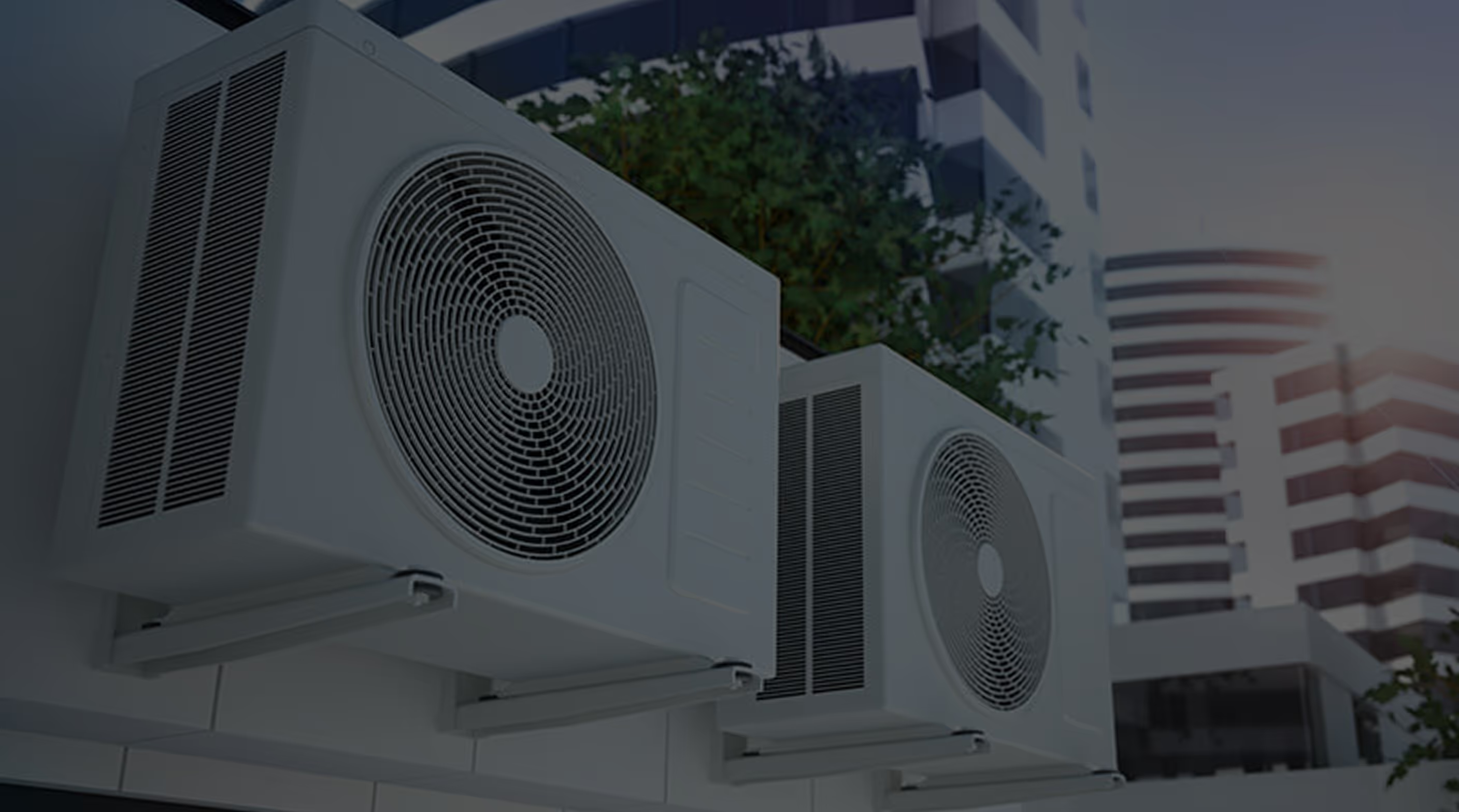
Heat Pump Repair in San Bruno, CA
Dealing with heat pump issues in San Bruno, CA? Plum HVAC outlines common problems and the disciplined diagnostic approach our technicians use on site. We cover typical failure modes (compressor, refrigerant leaks, electrical faults, reversing valve, airflow, defrost cycles), a step-by-step troubleshooting procedure, and common repair or replacement options. We also detail expected timelines, emergency response, warranty considerations, and practical pre-visit preparation and preventive maintenance tips to extend system life in coastal conditions. We emphasize understanding local conditions, corrosion risks, and scheduling efficiently.
.jpeg)
Heat Pump Repair in San Bruno, CA
Keeping your heat pump running reliably is essential for year-round comfort in San Bruno, CA. Coastal temperatures here are mild, but marine-layer humidity and salty air accelerate corrosion and electrical wear. That makes timely diagnosis and professional heat pump repair particularly important for local homes and condos. This page explains common problems found in San Bruno heat pumps, how technicians troubleshoot on site, typical repair and replacement options, what to expect in terms of timelines, emergency response protocols, warranty considerations, and practical guidance for scheduling a service call.
Why timely heat pump repair matters in San Bruno
Heat pumps provide both heating and cooling, so a single fault can affect comfort all year. Delaying repairs can lead to higher energy bills, frozen coils, compressor damage, or complete system failure. Homes near the coast also face accelerated condenser and control corrosion, which turns small electrical issues into bigger repairs if left unattended. Prompt, accurate repair reduces downtime and protects system lifespan.
Common heat pump issues in San Bruno homes
Most service calls fall into a few predictable categories. Recognizing symptoms helps homeowners describe the problem accurately when arranging a visit.
- Compressor failure symptoms: weak or no heating/cooling, abnormal noises, tripped breakers, high suction/discharge pressures. Compressors can fail from age, refrigerant contamination, or electrical problems.
- Refrigerant leaks: reduced capacity, long run cycles, ice on the evaporator coil, or hissing sounds. Coastal humidity and vibration can loosen fittings, making leaks more likely.
- Electrical failures: tripped breakers, burnt connectors, failed capacitors, or control board faults. Salt-laden air can corrode terminals and relays.
- Reversing valve problems: heat pumps that will not switch between heating and cooling, or that make clunking noises during mode changes.
- Airflow and duct issues: reduced airflow due to clogged filtros, failing fans, or duct leaks that mimic refrigerant or compressor symptoms.
- Defrost cycle failures: ice buildup on outdoor coil during winter or cold nights, often caused by sensor or control failures.
Onsite troubleshooting procedure
A methodical diagnosis prevents unnecessary parts replacement. Typical onsite process includes:
- Visual inspection: check outdoor unit for corrosion, debris, coil condition, and signs of refrigerant oil.
- Electrical check: measure voltage and current, inspect contactors, capacitors, breakers, and control wiring for corrosion or burn marks.
- Refrigerant and pressure testing: use gauges and leak-detection tools to confirm refrigerant levels and identify leaks.
- Performance testing: measure supply and return air temperatures, airflow, and thermostat signals to verify system operation.
- Component testing: test compressor windings, reversing valve actuation, defrost controls, and fan motors.
- Diagnostic report: provide a written summary of findings, recommended repairs, replacement options, and expected timelines.
Technicians in San Bruno often add corrosion checks and protective recommendations because salt air increases the risk of future electrical and coil failures.
Typical repair parts and replacement options
Repairs range from simple part swaps to full system replacements. Common parts serviced or replaced include:
- Capacitors and contactors
- Refrigerant lines and leak repairs (including brazing and evacuating)
- Compressor replacement or compressor rewind in rare cases
- Reversing valves and actuators
- Control boards and thermostats
- Outdoor fan motors and blades
- Defrost sensors and timers
- Coils and condenser repairs or coil replacement
When repair costs approach a significant portion of the system value, replacement may be more cost-effective. Replacement options include upgrading to a modern, higher-efficiency heat pump or selecting equipment rated for coastal environments with enhanced corrosion protection.
Expected timelines
Timelines vary with the fault, parts availability, and permit needs. Typical expectations:
- Diagnostic visit and written estimate: same-day to 48 hours after scheduling.
- Minor repairs (capacitor, contactor, simple electrical fixes, fan motors): same day or within 24-48 hours, depending on parts.
- Refrigerant leak repair and recharge: 24-72 hours, depending on leak location and parts needed.
- Compressor or major component replacement: 48 hours to one week, depending on part availability and whether an indoor unit must be matched.
- Full system replacement: one week to several weeks, accounting for equipment selection, delivery, and any required permits.
Permits or HOA approvals can extend timelines for full replacements in San Bruno properties. Technicians will note permit needs in the diagnostic report.
Emergency and after-hours response
Heat pump emergencies can happen off-hours, especially when heat or cooling loss affects vulnerable occupants. Emergency response protocols typically include:
- Triage over the phone to assess urgency and safety risks.
- Priority scheduling for life-safety or severe comfort-loss situations.
- Onsite temporary repairs when feasible to restore basic operation until permanent parts are obtained.
- Clear documentation of temporary measures and follow-up plans.
Emergency visits may focus on stabilization—resetting breakers safely, isolating electrical hazards, or implementing a temporary heating/cooling workaround until full repairs are completed.
Warranty and parts information
Understanding warranties helps protect your investment. Key points:
- Manufacturer warranties cover compressors and major components for specified terms; registration and proof of maintenance may be required.
- Service warranties provided by technicians often cover labor and replacement parts for a defined period; read the terms to understand exclusions.
- Using OEM parts vs aftermarket parts can affect warranty coverage. OEM components generally maintain manufacturer warranty integrity.
- Coastal installations benefit from corrosion-resistant parts and coatings; some manufacturers offer optional coastal packages or extended warranties for these environments.
Technicians typically document parts used and will provide warranty copies for both the part and the labor where applicable.
What to prepare before scheduling a service call
Being prepared speeds diagnosis and improves accuracy. Have the following information ready:
- Make, model, and age of the heat pump
- Description of symptoms and when they began
- Any recent work, refrigerant top-offs, or electrical issues
- Access notes for gated properties, HOA restrictions, or pets
- Ideal windows for an onsite visit
During scheduling, expect to receive an arrival window, the technician’s name and qualifications, and an overview of diagnostic fees and what the diagnostic includes. For replacements, you may be advised about permitting and utility rebate documentation.
Preventive tips for San Bruno homeowners
Routine care reduces repair frequency and extends system life:
- Schedule annual maintenance timed before peak cooling and heating seasons to catch issues early.
- Replace filters regularly and keep outdoor units clear of debris and salt buildup.
- Consider a coastal equipment package or protective coating for outdoor units.
- Address minor electrical or refrigerant issues promptly to avoid compressor damage.
Well-maintained systems run more efficiently, provide better comfort, and help avoid costly emergency repairs.
ConclusionProfessional heat pump repair in San Bruno, CA requires attention to local conditions, methodical diagnostics, and transparent options for repair or replacement. Timely action prevents escalation, and understanding typical repair processes, timelines, and warranty details helps homeowners make informed decisions. If you are preparing for service, gather system details and symptom descriptions to ensure the diagnostic visit is as efficient and effective as possible.
hear what our satisfied clients have to say

.svg)
Service areas
.avif)