
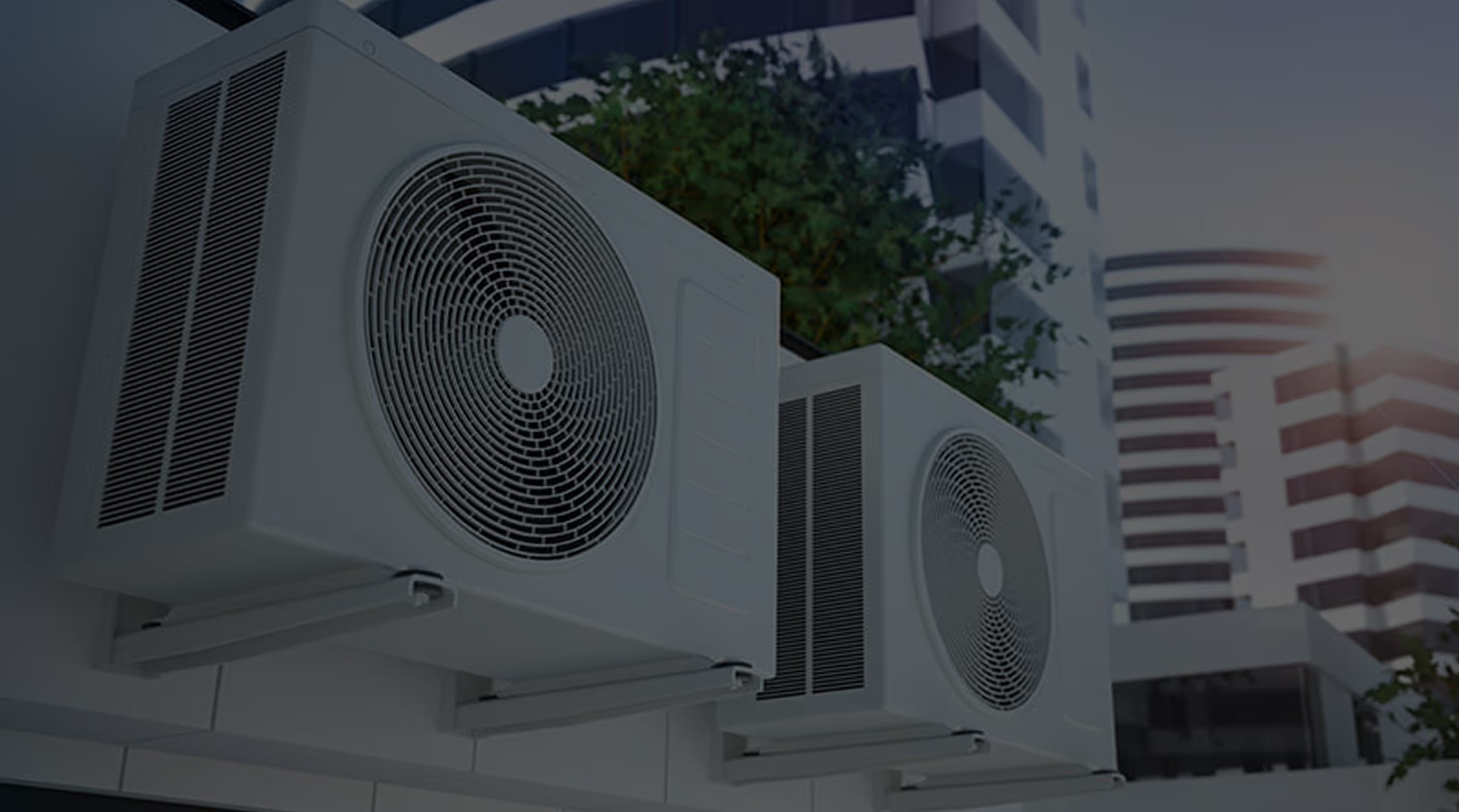
Heat Pump Repair in Fremont, CA
When it comes to heat pump repair services in Fremont, CA, our focus is on diagnosing and correcting any issues that disrupt your heating or cooling. Our technicians perform visual inspections, electrical testing, refrigerant checks, and airflow measurements to identify root causes, then tailor repair options such as compressor or reversing valve replacement, refrigerant leak repair, electrical fixes, or duct adjustments. Timelines can vary from same-day minor fixes to multi-visit projects. We emphasize preventive maintenance and safety checks to help prevent emergencies, extend equipment life, and ensure reliable year-round comfort for your home.
.jpeg)
Heat Pump Repair in Fremont, CA
Heat pumps are a common and efficient choice for Fremont, CA homes because of the area’s mild Mediterranean climate. When a heat pump stops delivering reliable heating or cooling, it can quickly disrupt comfort in your living spaces. This page explains common heat pump problems and symptoms in Fremont homes, how technicians diagnose faults, the typical repairs they perform, expected repair timelines, warranty and safety checks, and practical guidance for scheduling emergency or routine service.
Why timely heat pump repair matters in Fremont, CA
Fremont’s mild winters and warm summers mean many homeowners run their heat pumps year-round. Coastal proximity and bay air can accelerate corrosion of outdoor components, and frequent on-off cycling in transitional seasons can expose weak electrical parts. Delaying repair can increase energy costs, risk larger component failures, shorten equipment life, and create indoor comfort or safety issues. Prompt diagnosis and repair restore efficiency and prevent escalation.
Common heat pump problems and symptoms in Fremont
- Reduced heating or cooling capacity: System runs but indoor temperature won’t reach setpoint.
- Frequent cycling or short-cycling: Unit turns on and off rapidly, often caused by control issues, refrigerant charge problems, or airflow restrictions.
- Weak airflow or uneven rooms: Clogged filters, obstructed return vents, duct leaks, or failing fan motors.
- Noisy operation: Rattling, grinding, or hissing noises may indicate loose parts, failing bearings, or refrigerant leaks.
- Frost or ice on outdoor coil: Often due to poor defrost control, low refrigerant, or restricted airflow.
- Tripped breakers or electrical faults: Repeated breaker trips, burned contacts, or dead outdoor compressors.
- Refrigerant odor or visible leaks: Oil stains around fittings or piping suggest a refrigerant leak that needs immediate attention.
- Thermostat or control failures: System won’t respond to set changes or shows error codes.
Diagnostic process technicians use
A systematic diagnostic approach isolates root causes so repairs fix the problem, not just symptoms.
- Visual inspection: Technicians assess outdoor and indoor units for corrosion, damaged fins, oil stains, loose panels, and proper clearances. In Fremont, coastal corrosion is a common find.
- System start-up and observation: Running the unit while noting sounds, start-up amps, and operation cycles reveals many faults.
- Electrical testing: Voltage, amperage, contactor operation, capacitors, and control board voltages are verified to identify electrical failures.
- Refrigerant and pressure checks: Static and running pressures are measured to detect low charge, overcharge, or restriction. Certified refrigerant handling procedures are followed.
- Leak detection: Electronic detectors, dye, or nitrogen pressure testing locate refrigerant leaks in piping, coils, or service valves.
- Component isolation tests: Compressors, reversing valves, and fans are isolated and tested to confirm mechanical health.
- Airflow diagnostics: Filter inspection, duct pressure tests, and airflow measurements identify restrictions or duct-related problems.
- Control and thermostat checks: Thermostat calibration, sensor operation, and control logic are verified.
Technicians will document findings and explain repair options based on diagnostic results.
Typical repair services explained
- Compressor repair or replacement: A failing compressor may hum, overheat, or not run. Replacement is a major repair requiring proper refrigerant recovery and system evacuation; often the most costly single component repair.
- Reversing valve replacement: If the unit won’t switch between heating and cooling, a faulty reversing valve or its solenoid may be the cause. Replacement requires refrigerant recovery.
- Refrigerant leak repair and recharge: Leaks are repaired by locating the source, replacing damaged fittings or coils, brazing with proper techniques, pressure testing, evacuating, and recharging to manufacturer specs.
- Electrical repairs: Replacing contactors, capacitors, relays, fuses, breakers, and correcting wiring or control board faults restores reliable operation and safety.
- Fan motor and blower repairs: Motor replacements or bearing repairs restore proper airflow and reduce noise.
- Defrost control and sensor fixes: If the outdoor coil remains iced up, replacing the defrost control board, sensors, or related components resolves recurring frosting.
- Controls and thermostat updates: Faulty thermostats, sensors, or control modules are diagnosed and replaced to restore correct sequencing and comfort.
- Ductwork and airflow corrections: Sealing leaks, adjusting dampers, and cleaning return paths improves performance and energy efficiency.
All refrigerant work follows federal and state regulations for recovery and disposal and requires certified technicians.
Expected timelines
- Minor electrical fixes (capacitor, contactor, thermostat): Often completed the same day — typically a few hours.
- Fan motor or blower repairs: Usually a few hours if parts are in stock.
- Refrigerant leak detection and repair: Varies by leak location and severity; could take from a half day up to a full day when brazing and recharging are needed.
- Compressor or reversing valve replacement: More involved due to refrigerant recovery and vacuuming; expect a half day to full day, sometimes longer if parts must be ordered.
- Complex diagnostics or multiple-system issues: May require multiple visits for parts, pressure testing, or coordination with building access.
Technicians always confirm estimated arrival windows and provide a timeline after the initial diagnosis.
Warranty, safety checks, and compliance
- Warranty evaluation: Technicians check manufacturer and parts warranties to determine coverage for replacement parts. Documentation of model and serial numbers helps determine eligibility.
- Safety checks: Electrical safety, proper grounding, breaker sizing, and refrigerant leak testing are performed to protect occupants and property.
- Proper refrigerant handling: Recovery, recycling, and disposal are completed per EPA and California requirements. Vacuuming and moisture removal are done to ensure long-term reliability.
- Pressure and brazing standards: Repairs involving brazing or soldering are pressure-tested with dry nitrogen and leak-checked to industry standards.
- Post-repair verification: Systems are tested through full cycles to confirm operation, airflow, and correct pressures before technicians consider the job complete.
Emergency vs routine repair guidance
- Emergency signs that require immediate attention: Loss of heating on a cold night, burning or electrical smell, visible refrigerant fluid leaks, continuous tripping breakers, or smoke. These conditions warrant fast action to avoid safety risks or property damage.
- Routine repair candidates: Intermittent noise, reduced efficiency, mild frost patterns, or gradual loss of comfort. Addressing these early prevents larger failures.
- What to have ready when arranging service: Model and age of the heat pump, detailed symptoms, recent maintenance history, and whether the unit is under warranty. Clear outdoor unit access and a safe area for the technician to work help expedite service.
Preventive maintenance tips for Fremont homes
- Replace or clean filters every 1 to 3 months depending on usage and indoor air quality.
- Keep outdoor unit clear of leaves, debris, and salt build-up, particularly in coastal and bay-area neighborhoods.
- Schedule annual or biannual tune-ups to check refrigerant levels, electrical connections, and defrost controls.
- Maintain proper thermostat settings and consider programmable or smart thermostats for smoother cycles.
- Seal and insulate ducts to prevent efficiency loss and uneven room temperatures.
Regular maintenance reduces emergency calls and extends equipment life in Fremont’s climate.
Heat pump repair in Fremont, CA requires region-aware diagnostics and repairs that take into account coastal corrosion, year-round operation patterns, and California refrigerant regulations. Clear diagnostics, proper safety practices, and timely repairs restore comfort and efficiency while protecting equipment longevity.
hear what our satisfied clients have to say

.svg)
Service areas
.avif)