

Heat Pump Maintenance in San Mateo, CA
San Mateo homeowners can maximize comfort and energy efficiency through regular Plum HVAC heat pump maintenance, tailored to coastal microclimates. We outline why routine care matters, common issues like salt-related corrosion and airflow restrictions, and what a seasonal tune-up covers—from filter checks and coil cleaning to electrical safety and performance testing. We also explain typical diagnostics, maintenance plans, and practical tips for extending system life and preventing unexpected breakdowns, with guidance on scheduling, expectations, and long-term upkeep.
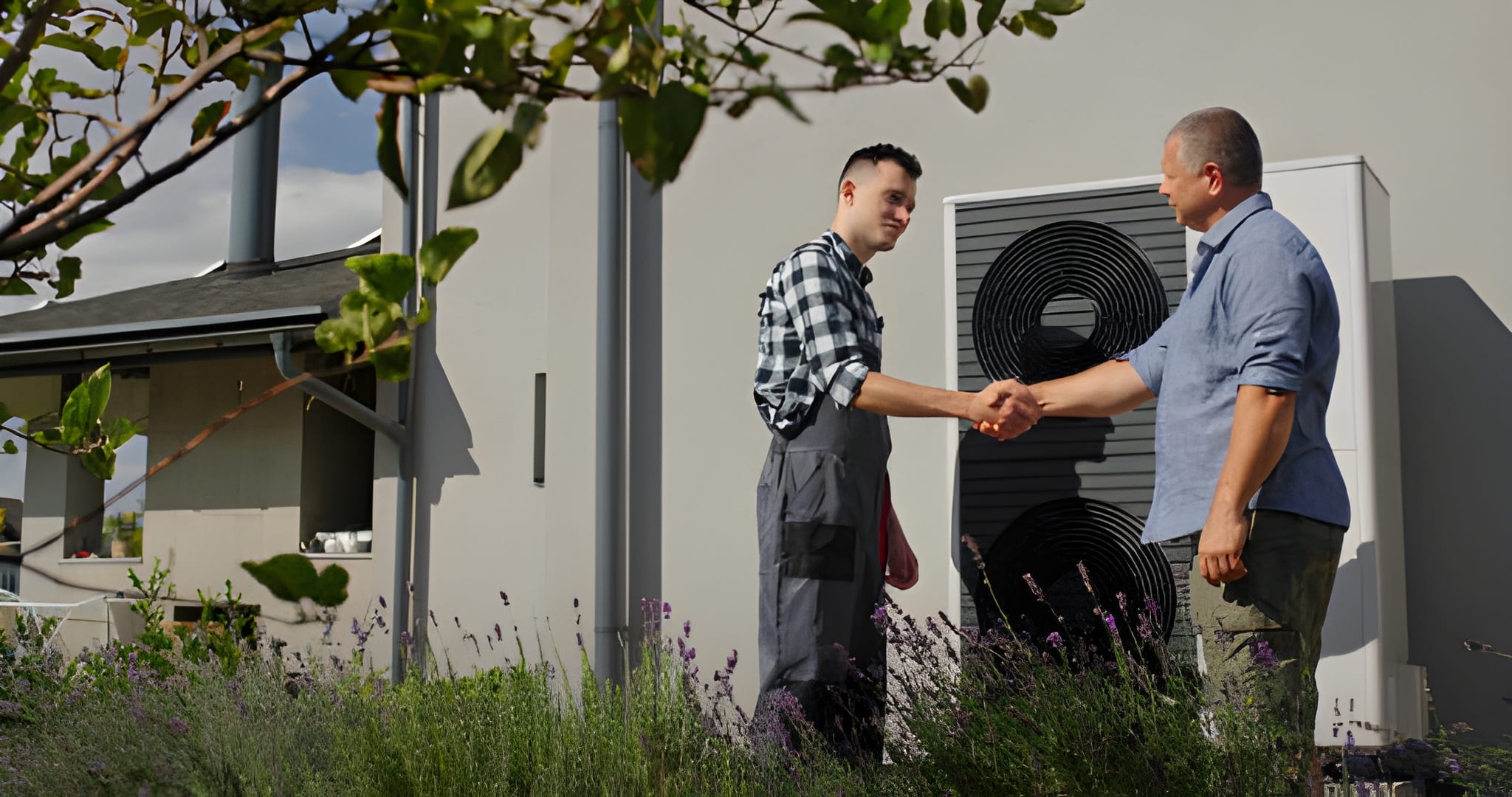
Heat Pump Maintenance in San Mateo, CA
Keeping a heat pump running efficiently in San Mateo, CA means reliable comfort year-round and lower energy bills. Because Bay Area homes experience mild, often humid winters and cooling needs in summer—along with coastal salt air and variable microclimates—regular heat pump maintenance is an important investment. This page explains what routine maintenance includes, common issues specific to San Mateo, what a professional tune-up covers, the measurable benefits of ongoing care, and the typical maintenance agreement options homeowners choose.
Why routine heat pump maintenance matters in San Mateo
San Mateo’s Mediterranean climate and proximity to the coast create two maintenance priorities: managing moisture and protecting equipment from salt corrosion. Heat pumps run year-round for both heating and cooling, so wear accumulates faster than in strictly seasonal systems. Regular maintenance helps:
- Preserve efficiency and lower monthly electric use
- Reduce the risk of mid-season breakdowns when demand spikes
- Extend equipment life through early detection of wear or refrigerant issues
- Maintain indoor comfort and air quality in homes affected by fog and humidity
Common heat pump maintenance issues in San Mateo homes
Homes in San Mateo frequently present these service needs:
- Dirty or clogged filters from year-round use and moisture-related dust accumulation
- Corroded outdoor coils and connections due to coastal salt air
- Reduced refrigerant charge from slow leaks or improper initial charging
- Electrical problems: loose terminals, failing capacitors, or worn contactors
- Restricted airflow from dirty coils, blocked vents, or duct leakage
- Defrost cycle issues on older or split systems that operate frequently in cool, damp conditions
- Thermostat calibration errors or poor sensor placement affecting comfort
What a seasonal heat pump tune-up includes
A professional seasonal tune-up is a methodical inspection and performance check. Typical steps performed during a maintenance visit:
- Visual inspection of outdoor unit and indoor air handler for corrosion, debris, and evidence of leaks
- Filter check and replacement recommendations; standard filters checked and replaced or high-efficiency options fitted as requested
- Refrigerant level check and leak detection; pressure testing and inspection for oil stains or dye indicating leaks
- Coil cleaning: evaporator and condenser coil cleaning to restore heat transfer efficiency
- Electrical and safety inspection: tighten connections, test capacitors, contactors, relays, and safeties
- Compressor and fan motor checks: measure amp draw and listen for unusual noises
- Airflow and duct assessment: measure static pressure, inspect ductwork for disconnections or leaks, verify adequate return airflow
- Thermostat and control verification: calibration, wiring integrity, and proper setpoint operation
- Condensate drain and pan cleaning to prevent blockages and moisture problems
- System performance test: run through heating and cooling cycles, record supply and return temperatures, assess overall capacity and efficiency
- Written summary of findings with prioritized recommendations for any repairs or replacements
Diagnostics and common fixes explained
When a maintenance visit uncovers problems, technicians focus on reliable, durable solutions explained in plain terms:
- Low refrigerant: typically caused by a leak. The long-term fix is locating and repairing the leak before recharging refrigerant to restore performance and prevent recurring loss.
- Poor airflow: often due to dirty coils, clogged filters, or leaky ducts. Cleaning coils, replacing filters, and sealing or insulating ducts restores airflow without unnecessary component replacement.
- Electrical wear: aging contactors and weak capacitors can cause hard starts or intermittent failures. Replacing worn electrical parts reduces stress on the compressor and prevents sudden failure.
- Corrosion control: cleaning and applying protective coatings where appropriate and replacing severely corroded fasteners or panels helps equipment survive coastal exposure.
- Defrost or reversing valve faults: diagnosing control board signals, sensors, and valves to ensure systems operate correctly in cooler, damp conditions common near the bay.
Benefits of regular heat pump maintenance
Consistent, scheduled maintenance delivers tangible benefits for San Mateo homeowners:
- Improved efficiency: Clean coils, correct refrigerant charge, and proper airflow restore rated efficiency, lowering monthly electricity costs.
- Fewer breakdowns: Preventive work addresses small problems before they become major failures during high-use periods.
- Longer equipment life: Routine lubrication, tightening, and part replacement reduce wear on compressors and motors.
- Better indoor comfort and air quality: Proper airflow and clean components reduce humidity issues and particulate buildup in the home.
- Compliance and safety: Ensures electrical and mechanical systems meet manufacturer recommendations and local best practices for safety.
Maintenance agreement options and what they typically include
Homeowners choose maintenance plans that match usage patterns and budget. Typical options include:
- Annual tune-up plan: One comprehensive service visit timed for spring (pre-cooling) or fall (pre-heating), covering the inspection checklist and priority scheduling.
- Biannual or seasonal tune-up plan: Two visits per year (spring and fall) to maximize performance during peak cooling and heating transitions.
- Priority or seasonal diagnostics add-on: Faster response windows during peak seasons and discounted diagnostic fees for covered repairs.
- Flat-rate inspection packages: Standardized inspections with a written report and fixed fee for clarity about what’s included.
- Parts and labor upgrade bundles: Agreements that include reduced labor rates or preferred pricing on common replacement parts like capacitors or contactors.
Each agreement typically provides documentation of past service, system notes, and recommendations to help homeowners budget for eventual replacements.
What to expect when you arrange maintenance
When booking a maintenance window, homeowners can typically expect:
- Seasonal windows: Spring and early fall are the most effective times to tune up a heat pump to balance cooling and heating readiness.
- A full inspection lasting 60 to 90 minutes for residential split systems, with larger or packaged units taking longer.
- A technician-operated performance test so measured temperature and electrical values are recorded.
- A clear, written summary of findings and recommended next steps, categorized by urgency.
- Advice on filter types and replacement intervals suited to your home’s occupancy and indoor air quality needs.
Long-term tips for San Mateo heat pump owners
- Replace or clean filters every 1 to 3 months depending on occupancy and pet presence.
- Keep outdoor units free of leaves, lawn trimmings, and direct ocean spray when possible; rinse coils with fresh water if salt buildup occurs.
- Insulate ducts and seal leaks to reduce cooling and heating losses in older San Mateo homes.
- Monitor system runtime and energy bills for sudden changes that can indicate a developing issue.
- Consider a biannual tune-up if your system is more than 10 years old or if you live in a microclimate with frequent fog or high humidity.
Regular heat pump maintenance tailored to San Mateo’s climate reduces surprises, keeps energy use predictable, and preserves comfort throughout the mild Bay Area seasons.
hear what our satisfied clients have to say

.svg)
Service areas
.avif)