
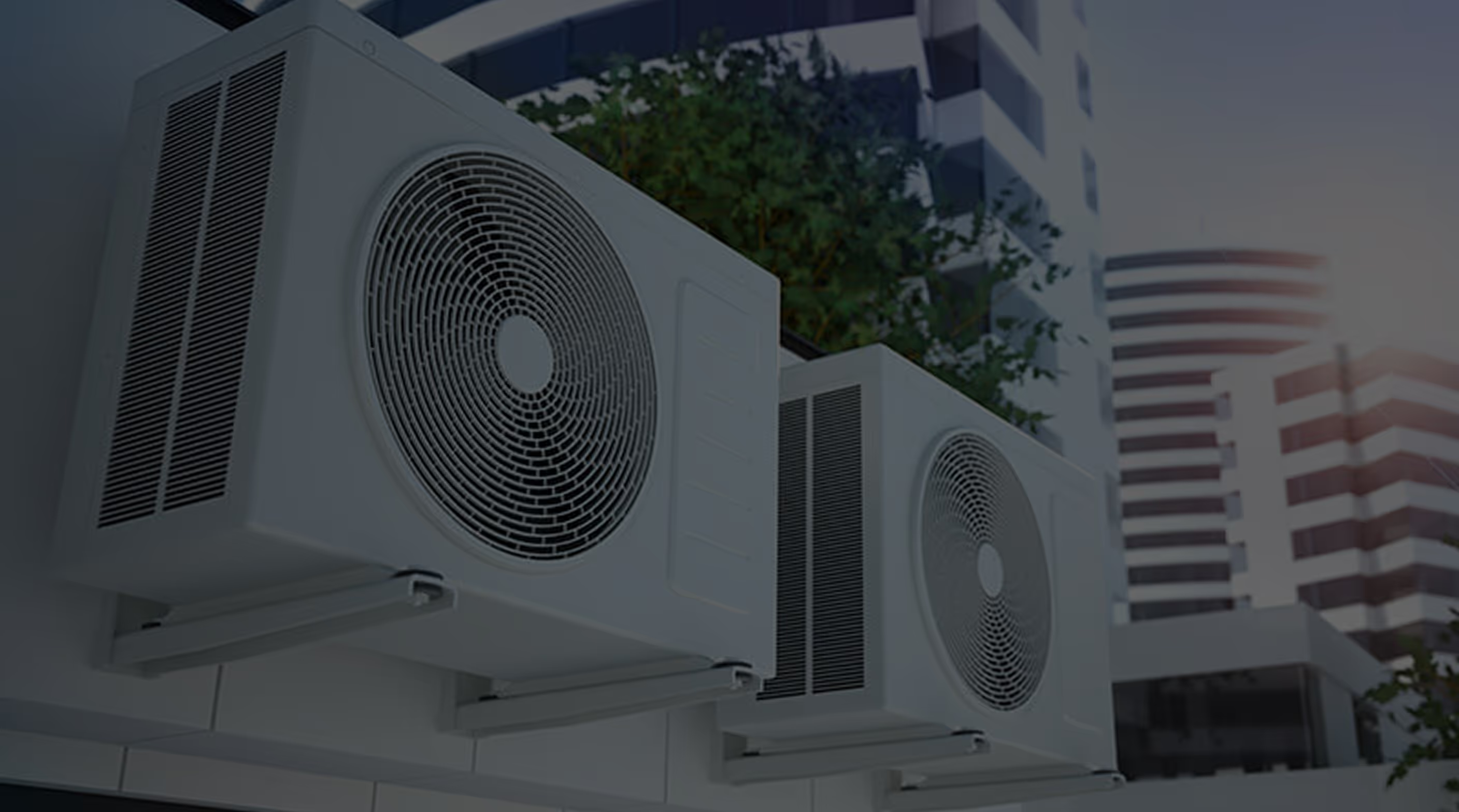
Heat Pump Installation in San Mateo, CA
Heat pump replacement in San Mateo, CA is an important decision. Plum HVAC offers a comprehensive guide to upgrading your climate comfort with energy efficiency. We walk you from an initial site assessment through equipment selection, ductwork planning, line-set routing, electrical readiness, and precise installation steps, followed by system commissioning and performance testing. We also cover necessary permits, inspections, incentives, post-installation support, and warranty considerations, plus maintenance tips to sustain efficiency, reduce corrosion, and maximize long-term reliability in San Mateo’s coastal climate.

Heat Pump Installation in San Mateo, CA
Switching to a heat pump is one of the most effective ways to lower energy bills, improve indoor comfort, and reduce your home’s carbon footprint in San Mateo, CA. This page explains the full heat pump installation process so you know exactly what to expect—from the first site assessment through system commissioning, permits, and post-installation support. If you’re evaluating central heat pumps or ductless mini-splits for a San Mateo home, this is the decision-stage information you need to move forward confidently.
Why a heat pump makes sense in San Mateo, CA
San Mateo’s mild coastal climate means heating loads are moderate and cooling is often needed on warm inland days. Heat pumps perform efficiently in these conditions, providing both reliable heating and quiet, efficient cooling. Local priorities—seawater corrosion risk, compact lot sizes, and California’s electrification and efficiency incentives—make selecting the right equipment and installation approach especially important for long-term performance.
Common system options and which fits your home
- Central heat pump (forced-air): Best for homes with existing ductwork. Offers whole-house heating/cooling with a single outdoor unit and indoor air handler.
- Ductless mini-split systems: Ideal for homes without ducts, room additions, or multi-zone comfort control. Each indoor head is independently controlled.
- Hybrid systems: Pairing a heat pump with existing gas furnace for backup in very cold spells (rare in San Mateo) can be an option for some properties.
Common heat pump installation issues in San Mateo include undersized systems, inadequate line-set routing in older homes, corrosion from salt air on coastal properties, and electrical panel limitations in older houses. Proper assessment prevents these problems.
Initial consultation and site assessment
A professional installation begins with a thorough site evaluation tailored to San Mateo conditions:
- Review of existing HVAC equipment and ductwork (if any)
- Load calculation (Manual J) to size the heat pump based on your home’s insulation, orientation, windows, and local climate
- Inspection for electrical service capacity and panel space
- Assessment of an appropriate outdoor unit location considering salt-spray exposure, airflow, and noise requirements
- Discussion of ductwork modifications or line-set routing for ductless options
This diagnostic stage identifies constraints like tight yards, permit needs for older structures, or the need for a panel upgrade—common considerations in San Mateo’s diverse housing stock.
Equipment selection and planning
Selecting the right system balances efficiency, comfort, budget, and site specifics:
- Choose capacity sized to the Manual J load, not simply based on house square footage
- Consider inverter-driven variable-speed compressors for better efficiency and quieter operation
- For coastal properties, select units with coastal corrosion protection or special coatings
- Decide between central or ductless based on existing ducts, zoning needs, and aesthetic preferences
System selection also includes planning for line-set lengths, condensate drainage, and electrical requirements. Where applicable, the plan will factor in local building codes and California efficiency standards.
Ductwork, line-set, and electrical requirements
- Ductwork: Assess for leakage, adequate sizing, and insulation. Sealing and rebalancing may be necessary to achieve designed airflow.
- Line-set (for ductless or multi-split): Route with minimal bends, protect from UV and moisture, and ensure appropriate length to maintain refrigerant charge and efficiency.
- Electrical: Verify breaker capacity, wire sizing, and whether a dedicated circuit or panel upgrade is required. Many San Mateo homes built before recent electrification may need electrical service updates.
Professional installation steps
- Finalize equipment delivery and staging with consideration for San Mateo neighborhood access and set-back rules.
- Prepare the outdoor pad or bracketing system, including seismic considerations if required.
- Install indoor air handlers or wall-mounted heads with careful placement for optimal airflow and minimal aesthetic impact.
- Run and insulate refrigerant lines, condensate piping, and control wiring. Proper insulation prevents efficiency loss in cooler nights.
- Connect to electrical service and install control interfaces/thermostats.
- Perform initial startup following manufacturer procedures.
Each step adheres to local code requirements and manufacturer specifications to protect warranties and ensure safe operation.
System commissioning and performance testing
Commissioning confirms your system operates to design specifications:
- Verify refrigerant charge and pressures to manufacturer tolerances
- Measure airflows and temperature differentials across the coil
- Test electrical loads and breaker performance
- Calibrate thermostats and control zones
- Confirm condensate drainage and safety switch operation
- Run full heating and cooling cycles to confirm stable performance
Documentation from commissioning helps with local inspections and any future warranty claims.
Permits, inspections, and compliance
Heat pump installations in San Mateo typically require permits and municipal inspections. Professional installers handle permit applications, submit equipment specs and load calculations as required, and coordinate inspection scheduling. Compliance with California building codes and local ordinances ensures the installation meets safety and energy efficiency standards and qualifies for local incentive programs.
Post-installation support and warranty coverage
After installation you should expect:
- Warranty registration assistance for manufacturer parts and components
- Explanation of maintenance needs (filter replacement, outdoor coil cleaning, condensate checks)
- Performance monitoring options and seasonal tune-ups to retain efficiency
- Guidance on troubleshooting common issues like airflow restriction or thermostat misconfiguration
Most manufacturers offer limited warranties on compressors and parts; installers often provide workmanship guarantees. Keeping routine maintenance logs and commissioning documentation preserves both system health and warranty eligibility.
Rebates, incentives, and financing guidance
San Mateo homeowners may be eligible for federal, state, and regional incentives that reduce upfront cost and improve payback. Common opportunities include California energy rebates, Bay Area regional programs, and utility-sponsored incentives for switching from gas to electric heat pumps. Professionals can advise on eligibility, required documentation, and how to structure installations to qualify for specific programs.
Long-term benefits and maintenance tips
Heat pumps provide consistent comfort, lower operating costs in San Mateo’s climate, and reduced greenhouse gas emissions. To maintain performance:
- Replace or clean filters regularly and schedule annual HVAC tune-ups
- Keep outdoor units clear of debris and rinse salt buildup on coastal properties
- Monitor for unusual noises, reduced airflow, or rising energy use—address early to avoid larger repairs
- Maintain good insulation and air sealing in the home to maximize system efficiency
Choosing the right equipment, installing it correctly, and following an ongoing maintenance plan ensures reliable comfort and the expected energy savings for years.
This page outlines the practical, decision-stage details San Mateo homeowners need when committing to heat pump installation: proper assessment, equipment choices, professional installation standards, permits and incentives, and the service and maintenance that protect your investment.
hear what our satisfied clients have to say

.svg)
Service areas
.avif)