
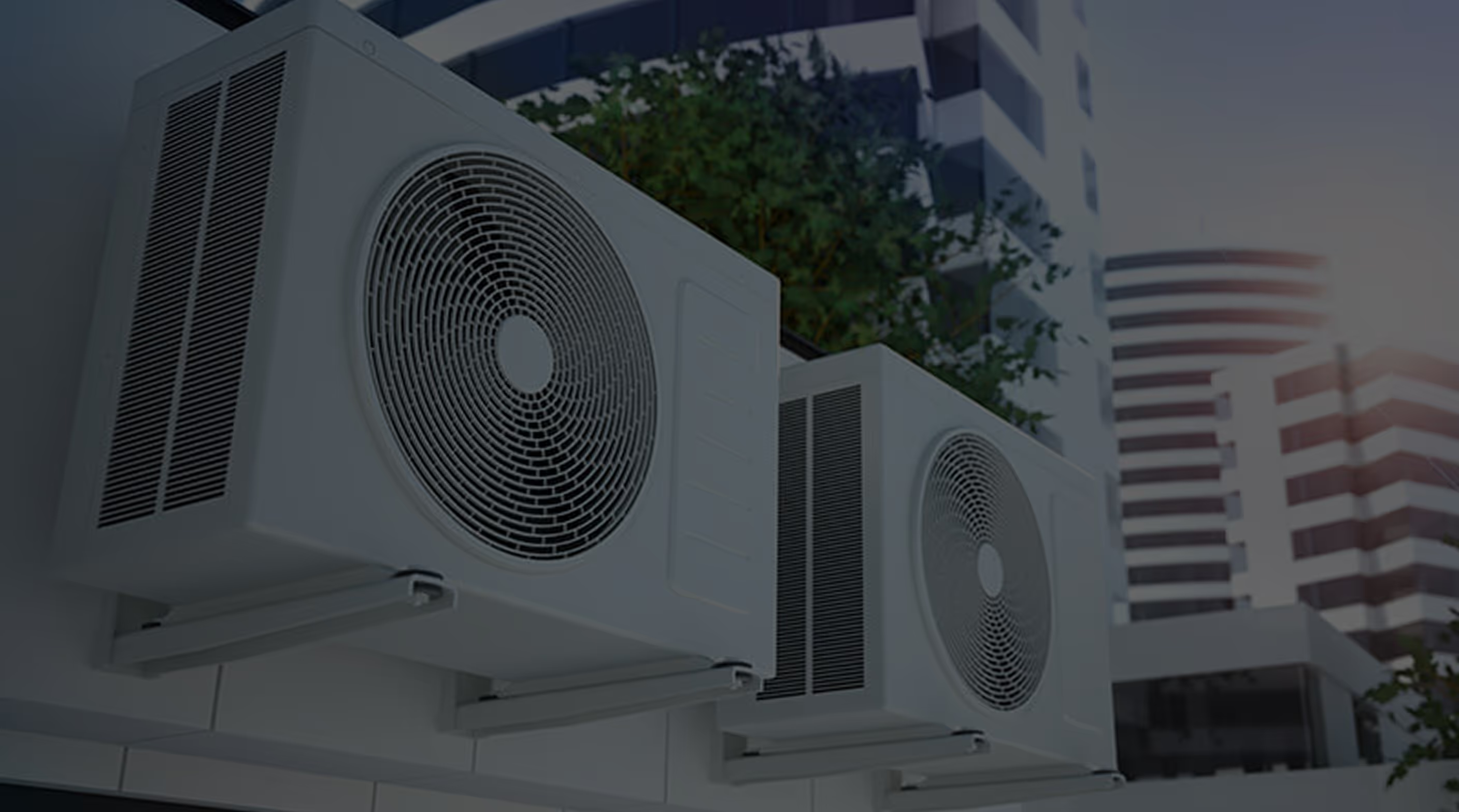
Air Conditioning Tune-Up in Foster City, CA
Plum HVAC offers comprehensive air conditioning tune-ups in Foster City, CA, providing a thorough inspection, adjustment, and optimization of your cooling system. Our services include filter replacement, refrigerant checks, thermostat calibration, electrical safety testing, condensate drain maintenance, coil and blower performance evaluation, and airflow improvements. We consider local factors like coastal humidity and salt air, servicing standard and larger systems annually or biannually. These proactive maintenance practices by Plum HVAC help extend equipment life, improve energy efficiency, and maintain comfortable indoor conditions year-round.
.jpeg)
Air Conditioning Tune-up in Foster City, CA
A seasonal Air Conditioning Tune-up in Foster City, CA keeps your home comfortable, helps avoid emergency breakdowns during Bay Area heat spells, and preserves system efficiency over time. With coastal humidity, occasional heat waves, and salt air exposure common in Foster City neighborhoods, a focused tune-up addresses the specific stressors that shorten equipment life and raise energy costs. This page explains what a professional tune-up covers, common local issues, the diagnostic process, expected timing, and recommended maintenance frequency so you can make an informed decision about protecting your HVAC investment.
What a seasonal AC tune-up includes
A comprehensive tune-up follows a checklist designed to inspect, adjust, and optimize every major component of your cooling system. Typical tasks performed during a tune-up:
- Filter check and replacement recommendation
- Inspect reusable and disposable filters for dirt, damage, and airflow restriction. Recommend or install the correct filter size and MERV level for your home.
- Refrigerant verification
- Measure refrigerant charge and look for signs of leaks. Correct refrigerant levels are essential for cooling performance and compressor longevity.
- Thermostat calibration
- Verify thermostat accuracy and programming. Ensure temperature sensors and setpoints match actual room conditions for comfort and efficiency.
- Electrical safety tests
- Inspect control wiring, contactors, capacitors, and breakers for wear, loose connections, and proper voltage. Test motor amperage to identify stressed components before failure.
- Condenser and condensate drain inspection
- Clean debris from the outdoor condenser, inspect coils for corrosion from marine air, and clear condensate drains to prevent water damage and microbial growth.
- System performance optimization
- Evaluate evaporator coil condition, blower motor performance, and airflow distribution. Make airflow adjustments, lubricate moving parts where applicable, and provide recommendations for improvements.
- Safety and comfort checks
- Test safety switches, check ductwork for visible leaks, and confirm that indoor air distribution meets homeowner expectations.
Why a tune-up matters in Foster City
Foster City homes face unique environmental factors that make regular tune-ups particularly valuable:
- Coastal humidity and lagoon proximity increase condensate volume and accelerate corrosion on outdoor units. Left unchecked, this leads to coil damage, control failures, and higher repair frequency.
- Bay Area summers can include sudden heat spikes. A tuned system is more reliable during peak demand and less likely to fail on the hottest days.
- Older neighborhoods and multifamily units may have legacy ductwork or undersized equipment; tune-ups help identify inefficiencies and safety issues before they become urgent problems.
Benefits of a seasonal tune-up:
- Improved reliability and fewer unexpected breakdowns
- Better cooling performance and steadier indoor temperatures
- Lower energy use and reduced utility costs through optimized operation
- Prolonged equipment life by preventing small problems from escalating
- Healthier indoor air by ensuring clean filters and clear drains
Common AC problems seen in Foster City homes
During tune-ups, technicians frequently find the same set of issues that reduce comfort and efficiency:
- Dirty or clogged filters restricting airflow
- Low refrigerant from slow leaks around fittings or coils near salt air
- Corroded electrical connections and failing capacitors due to moisture exposure
- Blocked condensate drains causing water backup and secondary damage
- Thermostat miscalibration or communication problems with newer smart thermostats
- Reduced airflow from dirty coils, failing blower motors, or leaky ducts
Each of these is detectable with routine inspection and typically easier and less costly to address during a tune-up than after a failure.
The tune-up process: what to expect and diagnostic steps
A professional tune-up is a mix of visual inspection, measurements, and preventive adjustments. Typical sequence:
- System start and baseline check
- Observe startup sequence, listen for abnormal noises, and record operating temperatures and pressures.
- Airflow and filter assessment
- Check filter condition, measure temperature splits across the coil, and inspect blower operation.
- Refrigerant and coil inspection
- Verify refrigerant pressures and oil levels, inspect evaporator and condenser coils for cleanliness and corrosion.
- Electrical and safety tests
- Tighten electrical connections, test capacitors and contactors, and measure motor amperage for abnormal draw.
- Drain and condensate evaluation
- Clear drain lines, inspect pan integrity, and treat for microbial buildup if necessary.
- Final performance tuning and documentation
- Make minor adjustments, calibrate the thermostat, advise on any recommended repairs or parts to monitor, and provide a performance summary.
Expected timing: Most standard single-system tune-ups take about one hour. Larger systems, older equipment, or systems showing multiple issues may require additional time. The technician can usually provide an on-site estimate of the total time once inspection begins.
Recommended frequency and timing for Foster City
- Annual tune-up before the cooling season: For most Foster City homes, a full tune-up in spring ensures your system is ready for warm months and reduces the chance of mid-summer failures.
- Biannual for high-risk situations: Homes near the lagoon, those with high indoor humidity, heavy pet hair and dust, or older systems may benefit from two tune-ups per year: once in spring and once in fall.
- After major events: Schedule an inspection after significant storms, saltwater flooding, or if you experience unusual performance issues following renovations.
Maintenance tips to extend system life and efficiency
- Replace or clean filters on the manufacturer-recommended schedule; more often if you have pets or allergies.
- Keep outdoor units clear of leaves, debris, and salt buildup. Rinse gently with fresh water if salt accumulation is visible.
- Maintain consistent thermostat settings and use programmable or smart thermostats correctly to reduce cycling.
- Seal and insulate ductwork where accessible to improve distribution and reduce strain on the system.
A seasonal tune-up tuned to Foster City conditions protects your home comfort and the longevity of your equipment. Regular inspection and small preventive actions reduce repair risk, increase operational efficiency, and maintain a healthier indoor environment for your family.
hear what our satisfied clients have to say

.svg)
Service areas
.avif)