
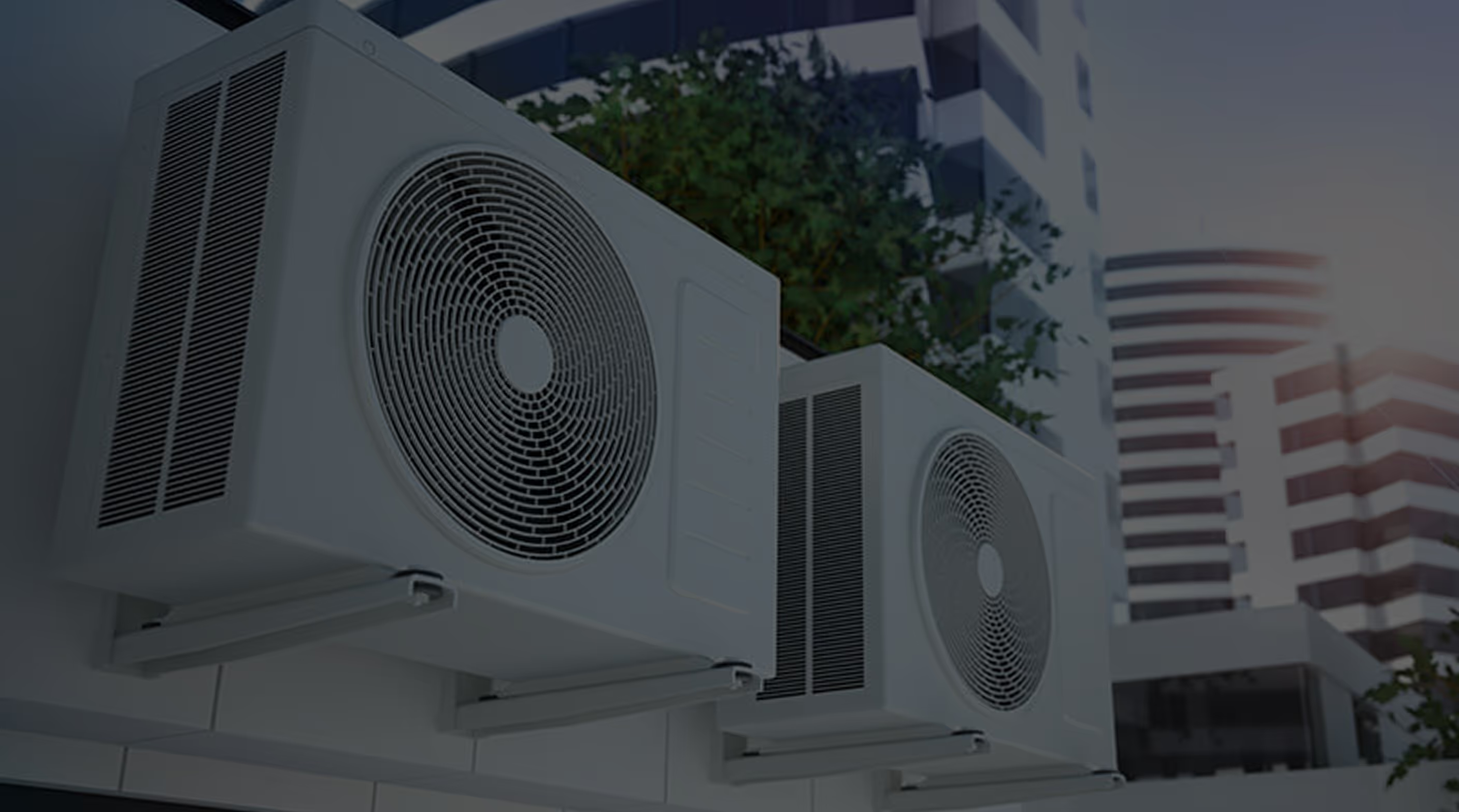
Air Conditioning Repair in Foster City, CA
Plum HVAC ensures timely air conditioning repair services for Foster City, CA coastal homes and light-commercial spaces, addressing common issues such as poor airflow, refrigerant leaks, unusual noises, and frozen coils. Our process includes a step-by-step diagnostic approach, clear repair options, and guidance on Plum HVAC technician qualifications, warranties, and cost considerations. Emergency services are available when needed, and recommended next steps include thorough inspections, accurate estimates, and preventive maintenance to extend system life and maintain reliable indoor comfort.
.jpeg)
Air Conditioning Repair in Foster City, CA
Air conditioning repair in Foster City, CA keeps your home or light-commercial space comfortable through the region's seasonal temperature swings, coastal humidity, and occasional inland heat spikes. Whether your system is making strange noises, not cooling, or showing signs of a refrigerant leak, understanding the diagnostic process, common repairs, technician qualifications, and expected timelines helps you make a confident decision about next steps for your property.
Why timely AC repair matters in Foster City homes and businesses
Foster City sits on the Bay, where salt air and humidity can accelerate corrosion and refrigerant-line wear. Even though summers are often moderate, heat waves and high indoor humidity make reliable cooling essential for comfort and equipment protection. Prompt diagnosis and repair reduce energy waste, prevent secondary damage like water intrusion or mold from clogged drains, and extend system life.
Common air conditioning issues in Foster City
Frequent problems seen in local residential and light-commercial systems include:
- No cooling or weak airflow — blocked air filters, failing blower motors, low refrigerant, or compressor problems.
- Strange noises — rattling, grinding, or hissing can indicate loose components, motor bearings, or refrigerant leaks.
- Refrigerant leaks — indicated by oil stains, low charge, or poor cooling; coastal conditions can accelerate line deterioration.
- Compressor failure or short cycling — often caused by electrical faults, overheating, or internal wear.
- Frozen evaporator coil — poor airflow or low refrigerant causes ice buildup and loss of cooling.
- Thermostat or control issues — incorrect settings, faulty sensors, or communication failures.
- Drain line clogs and condensate overflow — leading to water damage and microbial growth in humid climates.
- Corroded condenser coils or fins — salt air can reduce heat transfer efficiency.
Step-by-step diagnostic process
A thorough diagnostic separates temporary issues from systemic failures and informs a clear repair plan. Common diagnostic steps include:
- Visual inspection of indoor and outdoor units for corrosion, debris, and visible damage.
- Review of thermostat settings and system history to confirm operation mode and recent behavior.
- Electrical safety checks at the disconnect, contactor, fuses, and control board.
- Airflow assessment including filter condition, blower motor performance, and duct or register restrictions.
- Refrigerant pressure checks and temperature split measurement across the evaporator coil.
- Leak detection using electronic detectors or dye when low refrigerant is suspected.
- Compressor and motor tests including amp draw and run-capacitor checks.
- Condensate drain inspection and clearance testing.
- Detailed diagnostic report explaining findings, recommended repairs, parts needed, and estimated timeline.
Technicians should provide a plain-language summary of what failed, why it likely failed, and options to repair or replace.
Typical repairs and parts replacement
Common repairs for residential and light-commercial AC systems include:
- Replacement of capacitors and contactors to restore reliable start/run performance.
- Fan motor or blower motor replacement for poor airflow or noise.
- Compressor repair or replacement when the heart of the system fails.
- Refrigerant line repair and leak sealing, followed by system evacuation and recharge by a certified technician.
- Condenser or evaporator coil repair or replacement when corrosion or physical damage reduces efficiency.
- Thermostat replacement or calibration for accurate control.
- Control board repair or replacement for electronic faults.
- Drain line clearing, condensate pump service, and UV or anti-microbial treatments to prevent recurring clogs.
- Duct sealing or minor sheet metal repairs for light-commercial installs.
All refrigerant handling must comply with federal and state regulations. Older systems using phased-out refrigerants may require retrofit or replacement considerations.
Response times and emergency service options in Foster City
Typical response times for non-emergency repairs are same-day or next-business-day depending on parts availability. For critical failures affecting health, safety, or business operations (for example, systems serving server rooms or medical areas), emergency options are available with around-the-clock technician dispatch. Emergency repair response may include temporary fixes to restore cooling until permanent parts arrive.
Technician qualifications and warranties
Qualified technicians servicing AC systems in Foster City should have:
- State and local licensing appropriate for HVAC work and light-commercial scope.
- EPA Section 608 certification for refrigerant handling.
- Training on common residential and light-commercial equipment, including modern electronic controls and inverter-driven compressors.
- Experience dealing with coastal corrosion issues and retrofit scenarios.
Expect written warranty information on parts and labor after repairs. Manufacturer parts often carry their own warranties for compressors and major components; labor warranties typically cover workmanship for a defined period. Always request the warranty terms in writing.
Guidance on cost estimates and repair vs replacement
When you receive a repair estimate, look for:
- A clear itemization of parts, labor hours, and diagnostics.
- An explanation of whether repaired components are covered by parts warranty and what is excluded.
- The expected lifespan extension from the repair.
Factors to consider when deciding to repair or replace:
- Age of the system: older systems generally have higher failure risks and lower efficiency.
- Frequency of recent repairs: repeated breakdowns suggest replacement will be more cost effective.
- Type of refrigerant: systems using phased-out refrigerants may face higher servicing costs.
- Energy efficiency losses and rising utility costs when deciding long-term value.
- The extent of corrosion or structural damage in coastal environments that may shorten remaining life.
Next steps for homeowners
After diagnosis you should receive a written estimate and timeline. Typical next steps include authorizing repairs, scheduling a service window for parts replacement, or discussing replacement options if repairs are not the best long-term choice. Expect repair jobs to range from a few hours for component swaps to one or more days for compressor and line-set work that requires evacuation and recharge.
Preventive maintenance and longevity tips for Foster City properties
Regular maintenance reduces the chance of emergency repair and improves efficiency:
- Schedule seasonal tune-ups before cooling season to check refrigerant, electrical connections, and airflow.
- Replace or clean filters monthly during heavy use.
- Keep the outdoor unit free of debris and maintain a 2 to 3 foot clearance to improve airflow and reduce salt buildup.
- Flush condensate drains and check pumps annually to prevent clogs.
- Consider protective coatings or sacrificial anodes for outdoor coils in salt-air exposure zones.
- Upgrade thermostats to programmable or smart models to reduce runtimes and even out wear.
This information is intended to help Foster City homeowners and light-commercial operators understand what to expect from professional air conditioning repair, how diagnostics are conducted, and the factors that influence repair decisions and timelines.
hear what our satisfied clients have to say

.svg)
Service areas
.avif)