
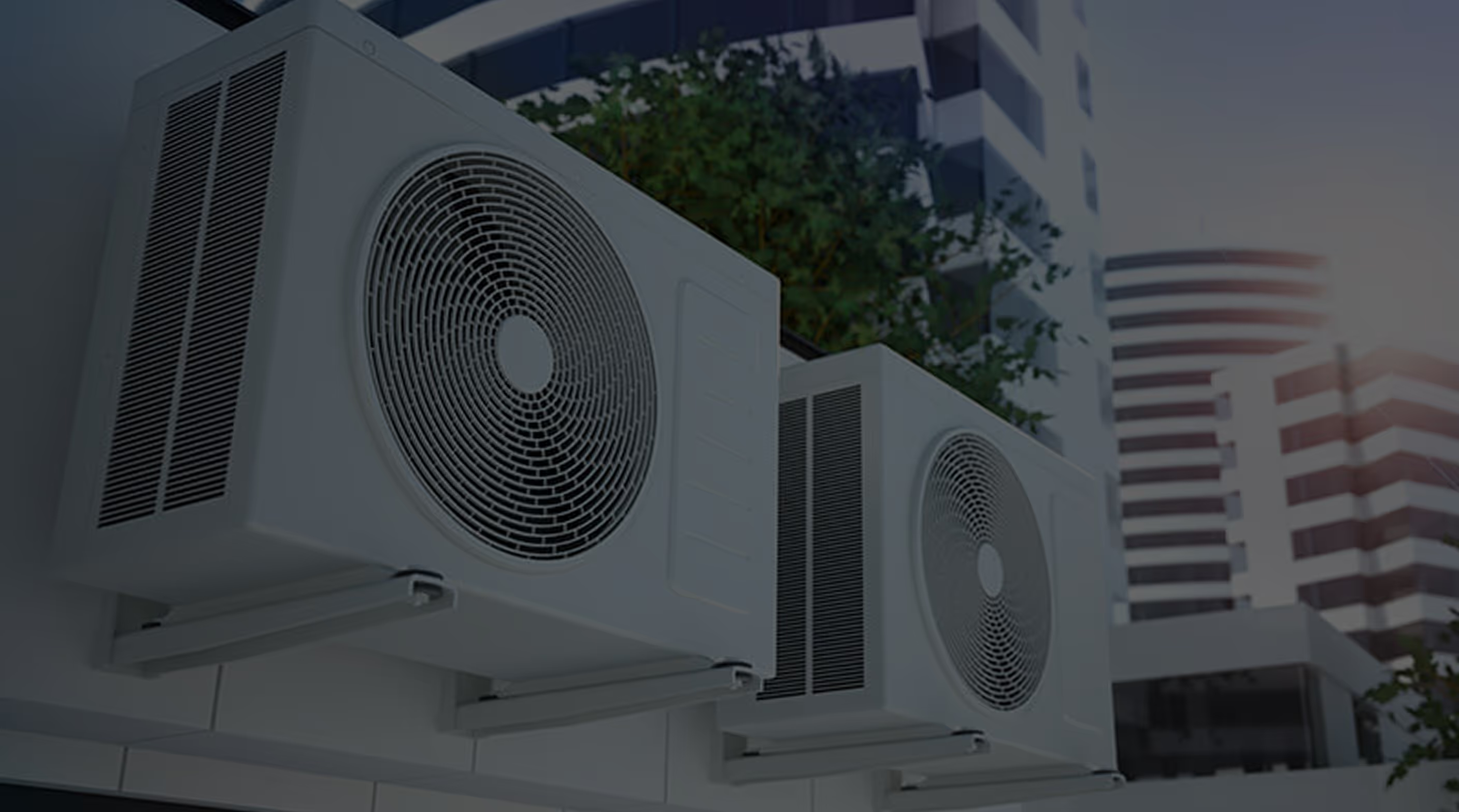
Air Conditioning Repair in Menlo Park, CA
Plum HVAC's air conditioning repair services in Menlo Park focus on fast, accurate diagnostics and durable fixes for hot Bay Area conditions. Our process starts with intake and safety checks, followed by operational tests, refrigerant analysis, electrical testing, and a clear written diagnosis with repair options. Typical work includes capacitor and contactor replacements, compressor repair or replacement, refrigerant recharges, and coil service. When needed, emergency or same-day service is available from Plum HVAC, with transparent pricing and warranty documentation for peace of mind.
.jpeg)
Air Conditioning Repair in Menlo Park, CA
Keeping your home comfortable during Menlo Park summers requires an AC system that runs reliably and efficiently. Whether your system is struggling to cool, making unusual noises, or not turning on at all, professional Air Conditioning Repair in Menlo Park, CA focuses on fast, clear diagnostics and durable fixes that address common Bay Area conditions like heat spikes, coastal humidity, and aging equipment in older neighborhoods.
Why timely AC repair matters in Menlo Park
Menlo Park experiences warm, dry days and occasional heat waves that put extra strain on air conditioners. Longer run times can accelerate wear on compressors, electrical components, and refrigerant systems. Prompt repair restores comfort, improves energy efficiency in a region with high electricity costs, and reduces the risk of more expensive failures later.
Common AC problems in Menlo Park homes
- Compressor failure: Signs include weak airflow, warm air from vents, or a unit that cycles on and off frequently. Compressors age faster when systems are run hard during heat spikes.
- Capacitor and relay faults: A dead capacitor often causes the outdoor fan or compressor not to start, creating humming noises or repeated attempts to start.
- Refrigerant leaks: Low refrigerant leads to poor cooling and increased runtime. Leaks can be slow and hard to detect, and left unchecked they damage system components.
- Electrical faults: Corroded connections, tripped breakers, or failed contactors are common, especially where moisture or salty air affects outdoor units.
- Airflow restrictions: Dirty filters, blocked returns, or damaged ductwork reduce cooling performance and can cause freeze-up on evaporator coils.
- Thermostat or control issues: Incorrect thermostat readings or communication failures with smart controls cause inconsistent temperatures.
Diagnostic process: what to expect
- Initial intake and symptom review: A technician will document the symptoms, frequency, and any recent changes such as new thermostats or electrical work.
- Safety inspection: The system is powered down and visually inspected for burn marks, loose wires, corrosion, rodent damage, and proper clearances.
- Operational tests: With safety checks complete, the technician runs the system to observe start-up behavior, compressor and fan operation, and audible clues.
- Refrigerant and pressure checks: Gauges and leak-detection tools are used to confirm refrigerant levels and locate leaks if pressures are abnormal.
- Electrical testing: Voltage, current, and continuity tests identify failing capacitors, contactors, sensors, and other electrical components.
- Airflow and coil inspection: Filters, blower motors, return vents, and coils are checked to ensure unrestricted airflow and correct temperature differentials.
- Written findings and options: After diagnosis you will receive a clear explanation of the problem, the recommended repair options, parts needed, and expected outcomes.
Typical repair procedures and parts replacement
- Capacitor and contactor replacement: Quick swap-outs restore proper starting and running functions for compressors and fans.
- Compressor repair or replacement: Depending on age and condition, a compressor may be repaired or replaced; technicians evaluate long-term value versus full system replacement.
- Refrigerant leak repair and recharge: Leaks are sealed where practical, components tested, and systems recharged to manufacturer specifications.
- Condenser and evaporator coil service: Cleaning, straightening fins, or coil replacement improves heat transfer and system efficiency.
- Blower motor and fan repairs: Rebalancing, lubrication, or motor replacement restores proper airflow.
- Control and thermostat service: Calibration or replacement of thermostats, sensors, or control boards corrects cycling and accuracy problems.Repair work follows manufacturer guidelines and industry best practices to preserve efficiency and system life.
Emergency and same-day repair options
During extreme heat events or sudden failures, many Menlo Park residents need fast restoration of cooling. Emergency and same-day service options prioritize critical failures such as compressor lockups, complete loss of cooling, or situations creating health risks. Rapid response begins with a thorough triage to identify safety concerns, isolate electrical hazards, and determine whether temporary measures are appropriate while permanent repairs are arranged.
Warranty handling and documentation
Repairs may involve manufacturer parts with existing warranties or aftermarket components with new warranty coverage. Proper warranty handling includes:
- Verifying existing warranties and registration before beginning repairs.
- Supplying documentation of replaced parts, serial numbers, and service dates required for manufacturer claims.
- Offering warranty information for labor and parts used during the repair, including duration and coverage limitations.
- Advising on required maintenance actions or future inspections to preserve warranty validity.
Pricing transparency and estimate process
Menlo Park homeowners can expect clear, written estimates after diagnosis. Typical clarity practices include:
- A documented diagnostic summary that explains root causes and recommended repairs.
- Line-item descriptions of parts, labor, and any specialty fees so costs are understandable.
- Options when appropriate, such as repair versus replacement, with the pros and cons of each.
- Authorization procedures so no additional work is performed without explicit approval.This approach reduces surprises and helps homeowners make informed decisions consistent with local energy and efficiency goals.
How scheduling a service call typically works
Scheduling normally involves reserving a diagnostic appointment during available service windows and sharing basic system information in advance, such as system age, model, symptoms, and any recent work. On-site visits generally include a visual inspection, operational testing, and an on-the-spot discussion of findings. For emergency or same-day needs, priority triage determines response and any short-term cooling measures while longer repairs are scheduled.
Benefits of professional repair and maintenance
- Restored comfort and consistent indoor temperatures aligned with Menlo Park weather patterns.
- Improved energy efficiency and lower running costs over time.
- Extended equipment life by addressing small issues before they become major failures.
- Peace of mind through documented repairs, warranties, and compliance with local codes and California efficiency expectations.
Maintenance tips to reduce future repairs
- Replace filters regularly and check airflow monthly during peak seasons.
- Keep outdoor units clear of debris, vegetation, and corrosive exposure where possible.
- Schedule seasonal tune-ups before summer to catch wear and refrigerant issues early.
- Monitor smart thermostats and system alerts for unusual runtime or frequent cycling.
Repairing your air conditioner promptly and transparently preserves comfort, reduces risk of expensive breakdowns, and aligns with Menlo Park homeowners priorities for energy efficiency and dependable performance. Professional diagnostics and clear documentation make it straightforward to choose the solution that best fits your home and system condition.
hear what our satisfied clients have to say

.svg)
Service areas
.avif)