Air Conditioning Installation in Saratoga, CA
Professional air conditioning installation in Saratoga, CA by Plum HVAC ensures optimal comfort, energy efficiency, and system reliability. Our process includes site assessment, Manual J load calculations, and selecting the right system—options range from central split systems and ductless mini-splits to package units and high-efficiency retrofits. Step-by-step installation covers ductwork and electrical coordination, thermostat integration, system commissioning, and permit management. Post-installation considerations include timelines, warranties, and long-term maintenance to maximize performance and longevity.
.jpeg)
Air Conditioning Installation in Saratoga, CA
Installing a new air conditioning system is one of the most impactful upgrades you can make for comfort, indoor air quality, and energy cost control in Saratoga, CA. Whether you own a ranch-style home, a mid-century property in the hills, or a newer construction, the right installation starts with an accurate site assessment and a system sized to your home. This page walks through the installation process step by step, highlights common local issues, explains what to expect during and after installation, and covers permitting, timelines, and warranties relevant to Saratoga homeowners.
Why careful installation matters in Saratoga, CA
Saratoga has warm, dry summers with occasional heat spikes that place real demand on HVAC systems. Older homes can have undersized ductwork or limited electrical capacity, while newer homes must meet California energy standards. A properly installed system keeps indoor temperatures steady, reduces humidity swings, and avoids premature equipment failure. Correct installation also maximizes efficiency so you pay less for cooling during peak months.
Common air conditioning installation types in Saratoga
- Central split systems for homes with existing ductwork. Most common for single-family homes.
- Ductless mini-splits for additions, rooms without ducts, or historic homes where ductwork is impractical.
- Package units for properties where rooftop or ground-mounted single-unit solutions are preferred.
- High-efficiency retrofits that replace only the outdoor unit while updating controls and refrigerant charge to improve performance.
Initial site assessment and load calculation
The process begins with an on-site assessment. Technicians record home size, orientation, insulation levels, window types, shading, occupancy patterns, and existing duct condition. A formal load calculation (commonly known as Manual J) determines the exact cooling capacity your home needs. This is critical: oversized equipment cycles inefficiently and shortens lifespan, while undersized units run continuously without achieving comfort.
Selecting the right system size and model
System selection balances capacity, efficiency, and long-term operating cost. In Saratoga, where cooling demand is significant but not extreme year-round, consider units with higher SEER ratings to reduce seasonal energy use. For homes subject to local noise restrictions or with close neighbors, look for low-noise models. Also consider refrigerant type, variable-speed compressors for better temperature control, and compatibility with smart thermostats and zoning systems.
Professional installation steps
- Preparation: Secure permits and coordinate any required inspections. Confirm electrical service capacity and duct layout.
- Removal: Safely remove old equipment, reclaim refrigerant according to regulations, and dispose of materials responsibly.
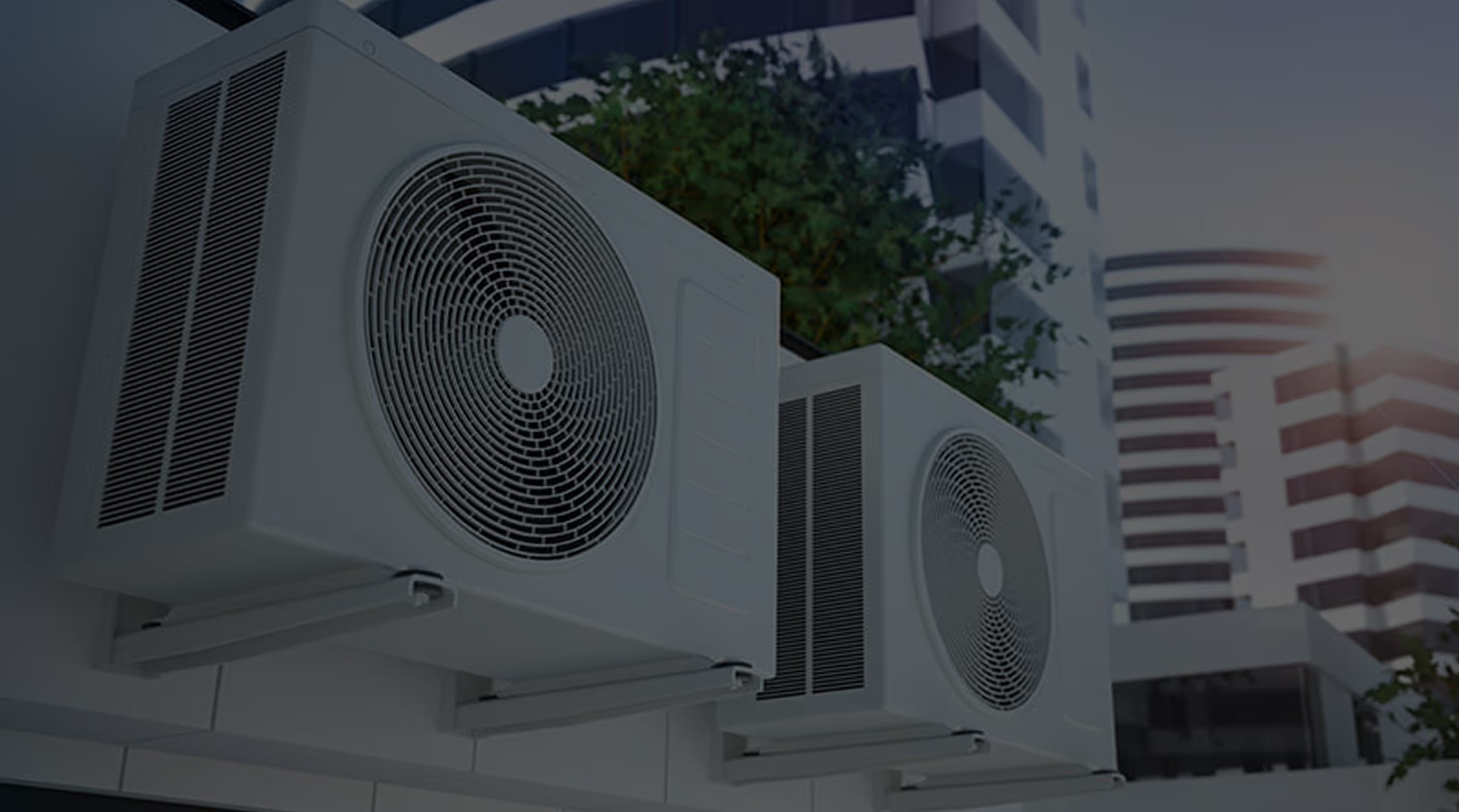
- Placement: Install outdoor condensing unit on a level pad or vibration-isolating mount. Indoor evaporator or air handler is placed for optimal airflow.
- Refrigerant lines and electrical: Run lines, drain, and connect equipment. Licensed electricians tie in power and control wiring to meet code.
- Duct connections and insulation: Seal and insulate all duct joints to minimize leakage and maintain efficiency.
- Controls: Install thermostats, sensors, and any zoning dampers as required.
Ductwork and electrical coordination
Many Saratoga homes require duct repairs or resizing to match a new system. Common issues include duct leakage, collapsed sections, or poor airflow to certain rooms. A thorough duct inspection followed by sealing, insulation, or partial replacement is standard when needed. Electrical coordination is equally important. Older service panels may need a dedicated circuit, or the home may require a service upgrade to safely run a modern air conditioner. All electrical work should comply with California electrical code and local utility requirements.
Thermostat integration and controls
Modern installations often include smart thermostats and zoning controls. Thermostats should be placed where they accurately read average living-space temperature, not in direct sunlight or near drafts. Zoning lets you cool occupied areas only, which is particularly useful in Saratoga homes with varied occupancy patterns or multi-level layouts. Integration with home automation and energy monitoring helps manage cooling costs and provides easier system diagnostics.
Post-installation testing and commissioning
After physical installation, technicians perform a series of tests to ensure the system operates correctly and efficiently:
- Verify refrigerant charge and proper pressures
- Measure airflow and static pressure to ensure ductwork is balanced
- Confirm electrical connections and voltage under load
- Test thermostat calibration and zone operation
- Check condensate drainage and secondary safety controls
Commissioning documents should include system specifications, measured performance data, and maintenance recommendations so your home records are complete.
Permits, inspections, expected timelines and warranties
Local permitting and inspection are required for most HVAC installations in Saratoga and Santa Clara County. Permit processing times vary; simple replacements can be processed faster than systems requiring ductwork or electrical upgrades. Typical timelines:
- In-home assessment and proposal: 1 visit
- Permit approval and scheduling: often 1 to 3 weeks depending on workload
- Installation: most single-family home installs are completed in 1 to 3 days
- Inspection and final sign-off: usually within a few days after installation
Warranties vary by component. Manufacturer warranties often cover compressors and major parts for 5 to 10 years, while parts warranties can be longer. Labor warranties depend on the installing contractor. Keep documentation for both manufacturer and labor warranties and register equipment per manufacturer instructions.
Common air conditioning installation issues in Saratoga and how they are addressed
- Undersized or oversized units: resolved with accurate Manual J load calculations and selecting appropriate equipment.
- Poor airflow or hot rooms: fixed by duct balancing, adding returns, or zoning.
- Noise complaints: addressed through quieter equipment selections, vibration isolation, and strategic condenser placement.
- Electrical limitations: handled by coordinating with licensed electricians for panel upgrades or dedicated circuits.
- Permitting delays: mitigated by experienced installers who submit complete permit packages and coordinate inspections with local authorities.
Long-term benefits and maintenance advice
A professionally installed system delivers dependable comfort, longer equipment life, improved indoor air quality, and lower energy bills. To protect that investment, schedule regular maintenance:
- Change or clean filters every 1 to 3 months
- Annual professional tune-up before peak cooling season
- Keep outdoor unit clear of debris and vegetation
- Address airflow or comfort issues promptly to avoid larger failures
Proper installation tailored to Saratoga conditions and proactive maintenance are the best ways to ensure your cooling system performs efficiently for years.
hear what our satisfied clients have to say

.svg)
Service areas
.avif)