
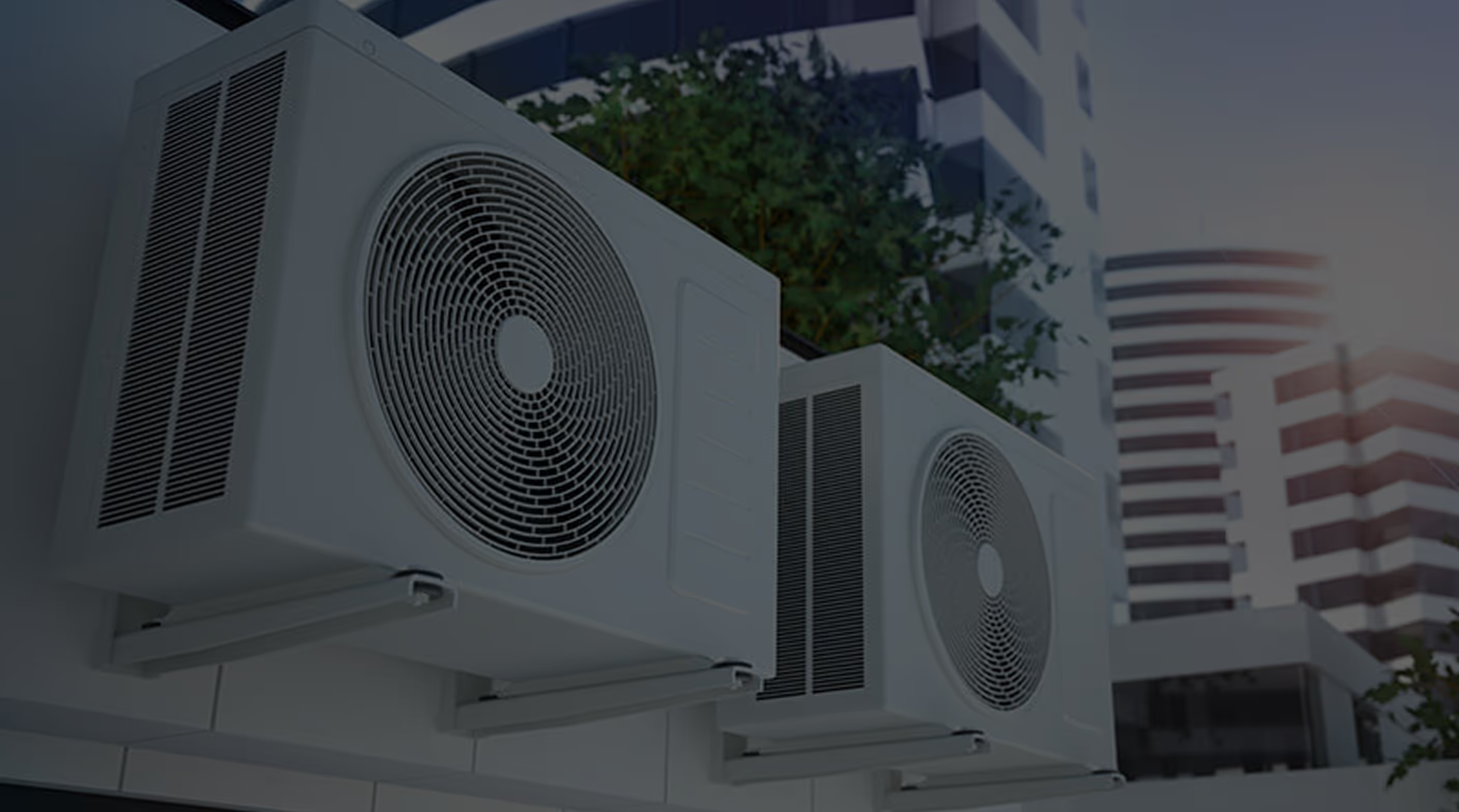
Mini Split Tune-Up in Stanford, CA
At Plum HVAC, our professional mini split tune-ups for Stanford, CA homes include detailed multi-point inspections, thorough cleaning, and rigorous performance testing. All of this is designed to prevent unexpected failures, dramatically improve efficiency, and significantly extend your equipment's lifespan. Our service addresses common issues head-on and follows a comprehensive checklist, clearly outlining what you, as a homeowner, can expect during our visits. We'll highlight the many benefits of regular maintenance and provide recommendations for annual or biannual scheduling. We give special attention to crucial concerns like refrigerant levels, electrical components, and proper airflow. Plus, we'll share practical owner tips and guidance on how to choose quality service. These Plum HVAC tune-ups are essential for maintaining year-round comfort, reducing operating costs, and ensuring long-term system reliability in Stanford's climate.
-min.jpeg)
Mini Split Tune-up in Stanford, CA
A professional mini split tune-up keeps your ductless heating and cooling system running efficiently, quietly, and reliably—especially important for homes in Stanford, CA where mild winters and warm, dry summers put seasonal demand on cooling. A thorough tune-up goes beyond a quick filter change: it is a multi-point inspection and performance check that identifies small problems before they become costly failures, improves energy efficiency, and extends equipment life.
Why a mini split tune-up matters in Stanford, CA
Stanford’s Mediterranean climate and local microclimates mean your mini split faces a mix of dust, pollen, morning marine layer moisture, and occasional heat waves. These conditions can:
- Reduce airflow from dusty or clogged filters and coils
- Encourage condensate drain clogs and microbial growth during humid periods
- Cause refrigerant or electrical issues to surface under high summer load
- Expose outdoor units to salt-tinged air in coastal-adjacent areas that can accelerate corrosion
A targeted tune-up adapts to these local influences, helping your mini split deliver reliable comfort when temperatures spike and keeping operating costs lower year-round.
Common mini split issues in Stanford homes
- Restricted airflow from dirty filters or blocked indoor unit intake
- Dirty evaporator or condenser coils that lower heat transfer efficiency
- Clogged condensate drain leading to water leaks and stains or mold growth
- Refrigerant imbalance or leaks causing poor cooling or icing on the evaporator
- Electrical wear (loose connections, failing capacitors) that creates intermittent performance or safety risks
- Control or thermostat miscalibration that leads to short cycling or incorrect temperatures
- Outdoor unit debris or vegetation reducing airflow and stressing the compressor
Understanding these common issues clarifies why a professional tune-up is not optional if you want dependable performance and lower long-term running costs.
What a professional mini split tune-up includes
A comprehensive tune-up is a structured, multi-point inspection combined with targeted cleaning and performance testing. Typical elements include:
- Visual inspection of indoor and outdoor units, mounting hardware, refrigerant lines, and electrical components
- Airflow check to verify return and supply airflow are within expected range; inspection and cleaning of filters and fan blades
- Coil cleaning of indoor evaporator and outdoor condenser coils to restore efficient heat transfer
- Refrigerant check to assess system pressures and temperature split to identify undercharge or overcharge conditions (diagnosis only; repairs handled separately if required)
- Condensate system service: clear drain lines, clean drain pan, check trap and condensate pump if present
- Electrical safety and performance checks: inspect wiring, terminals, capacitors, contactors, and breakers for wear or looseness
- Compressor and fan motor inspection for abnormal noise, vibration, or excessive amp draw
- Control and thermostat verification: confirm remote sensors, settings, and communication between indoor and outdoor units
- Operational performance test: run the system through heating and cooling cycles to verify temperature spread and stable operation
- Indoor air quality check: inspect filters and advise on replacement or upgrade options (electrostatic, HEPA-compatible pre-filtration)
- Report and recommendations summarizing findings, any safety concerns, and suggested repairs or parts replacements
Most tune-ups are performed while the system is operating so the technician can see real-time behavior under load and verify improvements after adjustments or cleaning.
What you can expect during the visit
- A systematic inspection and cleaning tailored to mini splits, usually taking around one hour per indoor unit on average (actual time varies by system size and condition)
- Clear, non-technical explanations of what was inspected and why, plus prioritized recommendations if repairs are needed
- Safety checks and confirmation that controls and communication between indoor and outdoor units are functioning correctly
- Identification of issues that require follow-up repair work, such as refrigerant leaks, electrical component replacements, or compressor concerns
Technicians should leave you with a concise summary of what was done and practical maintenance tips you can follow between professional visits.
Benefits of regular tune-ups
- Improved energy efficiency: clean coils and properly charged refrigerant help your mini split use less electricity
- Greater reliability: preventative checks reduce the chance of failures during hot spells or colder nights
- Longer equipment life: addressing wear and tear early prevents accelerated breakdowns
- Better indoor comfort: consistent temperature control and reduced temperature swings
- Healthier indoor air: clean filters and drains reduce dust, allergens, and microbial growth
- Avoidance of emergency repairs: proactive service finds problems before they cause system shutdowns
In Stanford where energy costs and home comfort matter, these benefits translate to smoother, more predictable indoor comfort.
Owner-maintenance tips between tune-ups
- Clean or replace filters monthly during high-use seasons; less often in low-use periods
- Keep indoor unit intake and throw areas clear of curtains or furniture to maintain proper airflow
- Clear vegetation and debris at least 2 feet around outdoor units for unobstructed airflow
- Inspect condensate lines visually for blockages or slow drainage; flush drain with a mild cleaner if slow
- Check remote batteries and settings to ensure correct temperature control and mode selection
- Protect outdoor unit in stormy or salt-prone conditions by rinsing off salt spray and checking for corrosion regularly
Recommended tune-up frequency for Stanford homes
- Annual professional tune-up is the baseline recommendation for most Stanford residences to prepare for the cooling season.
- Biannual service may be advisable for systems in heavy-use homes, houses near coastal zones with salt exposure, or properties with pets and high dust/pollen loads.
Regular maintenance intervals keep warranties valid in many cases and reduce the likelihood of high-cost emergency repairs.
Final notes on choosing service quality
A quality tune-up is thorough, explains findings in plain language, and documents recommendations for repairs only when necessary. The right service protects your comfort and investment, ensuring your mini split performs efficiently through Stanford’s variable seasons and occasional heat events.
hear what our satisfied clients have to say

.svg)
Service areas
.avif)