
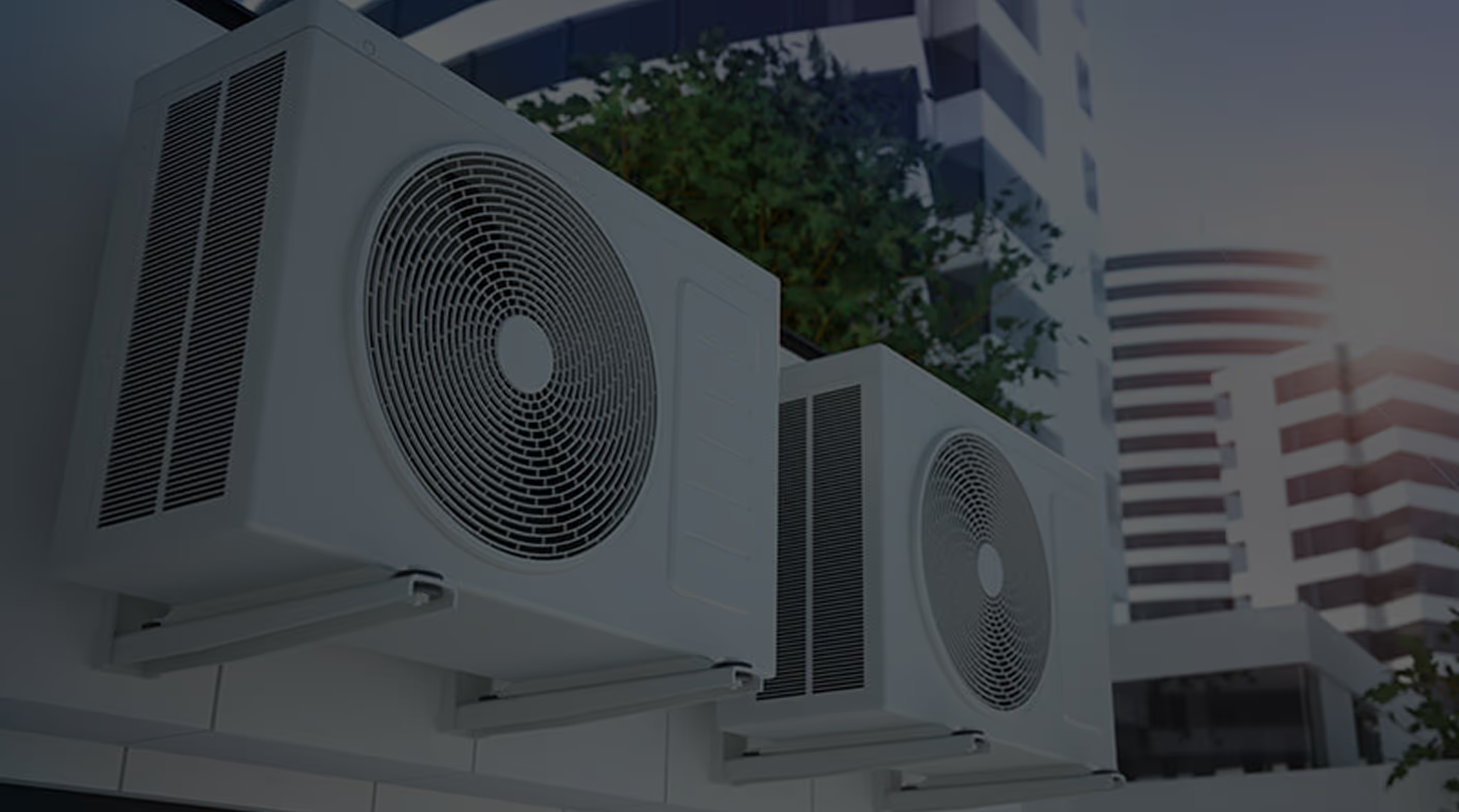
Mini Split Maintenance in Stanford, CA
Preventive mini split maintenance in Stanford, CA from Plum HVAC helps homeowners maximize energy efficiency, reliability, and indoor air quality. Our services address common local issues such as dirty filters, restricted airflow, refrigerant leaks, and electrical faults. A detailed seasonal tune-up checklist includes diagnostic steps and practical repairs, while additional tips cover system optimization, recommended maintenance schedules, and service plan options. Regular upkeep reduces emergency breakdowns, extends equipment life, and maintains peak performance through seasonal temperature changes.
-min%2520(1).jpeg)
Mini Split Maintenance in Stanford, CA
Keeping your mini split system running efficiently is essential for comfortable, healthy, and energy-wise homes in Stanford, CA. Regular mini split maintenance in Stanford, CA prevents unexpected breakdowns during seasonal temperature swings, preserves indoor air quality amid local pollen and tree debris, and helps systems perform at peak efficiency—especially during hot spells when demand climbs. Below is a clear, expert guide to what preventive maintenance includes, common local issues, diagnostic steps, repair strategies, recommended schedules, and typical service plan structures.
Why preventive mini split maintenance matters in Stanford, CA
- Energy efficiency: Well-maintained inverter-driven compressors and clean coils use less electricity during peak cooling or heating periods common in the Bay Area.
- Reliability during heat events: Summer heat waves can push units hard. Maintenance reduces the risk of failures when you need cooling most.
- Indoor air quality: Stanford homes often face pollen, dust, and occasional smoke. Clean filters and coils reduce allergens and odors.
- Equipment life and warranty compliance: Regular service prevents premature component failure and typically satisfies manufacturer maintenance requirements.
Common mini split issues in Stanford area homes
- Clogged or dirty filters from local pollen, tree debris, and household dust
- Reduced airflow due to obstructed indoor blower wheels or blocked condensate drains
- Outdoor unit debris, leaves, and occasional sediment accumulation in fan areas
- Refrigerant leaks or low refrigerant charge causing weak cooling during hot days
- Electrical connection wear or loose terminals from repeated cycling
- Control and communication faults between indoor and outdoor units
- Mold or algae buildup in drain pans and condensate lines during wet seasons
What a seasonal tune-up includes
A professional seasonal tune-up for mini split maintenance in Stanford, CA typically covers the following, with clear explanations provided to the homeowner:
- Visual inspection of indoor and outdoor units for physical damage or debris
- Filter cleaning or replacement depending on filter type and condition
- Coil cleaning for indoor evaporator coils and outdoor condenser coils to restore heat transfer
- Condensate line and drain pan cleaning to prevent blockages, odors, and water damage
- Refrigerant and pressure checks using manufacturer-recommended procedures and gauges
- Temperature split test to verify proper cooling or heating performance across the evaporator and condenser
- Electrical and control inspection including checking contactors, capacitors, wiring tightness, and safety devices
- Fan motor and blower wheel inspection and lubrication if applicable
- Verification of control settings, remote or thermostat functionality, and Wi Fi connectivity where present
- Performance optimization recommendations based on home layout and usage patterns
Diagnostic process explained simply
Technicians follow a logical diagnostic approach to find and fix root causes instead of masked symptoms:
- Start with airflow and filter evaluation because restricted airflow is the most common efficiency killer.
- Check refrigerant pressures and temperatures. Low charge often shows as low pressure and poor cooling during high-load periods.
- Inspect coils for dirt and bent fins that reduce heat transfer.
- Test electrical components to find intermittent or failing parts that can cause compressor stress.
- Run the system to verify steady-state performance and make adjustments to control settings for balanced comfort and efficiency.
If refrigerant is low, the technician will locate and repair leaks before recharging. Recharging without fixing a leak is a temporary fix and increases long-term cost.
Repairs and solutions you can expect
- Filter replacement and upgrade guidance for higher-efficiency or washable filters
- Coil cleaning and fin straightening for restored airflow and efficiency
- Condensate line clearing, chemical treatment if necessary, and trap checks to eliminate clogs and microbial growth
- Leak detection and sealed system repairs, with refrigerant recovery and recharge following EPA-compliant procedures
- Electrical repairs such as replacing capacitors, contactors, relays, or worn wiring
- Fan motor or blower repairs and replacement for noisy or underperforming units
- Control firmware checks and recalibration of setpoints and timers for improved comfort and lower energy use
Performance optimization tips for Stanford homes
- Schedule a spring tune-up before the hottest months and a fall check before heating is needed to catch seasonal issues early.
- Use zoning and setback strategies for rooms that are seldom occupied to reduce run time and energy use.
- Keep outdoor units clear of leaves, gardening debris, and lawn equipment storage to ensure proper airflow.
- For homes near parks and trees, inspect filters more often during high pollen season.
- Consider upgrading to higher efficiency filters or adding a UV or antimicrobial treatment in areas prone to humidity and mold.
Recommended maintenance schedule
- Standard homes: Mini split maintenance in Stanford, CA twice a year — spring and fall.
- High-use or high-dust environments: Quarterly checks for filter cleaning or replacement and condensate line inspection.
- Older units or systems with known issues: More frequent monitoring, including seasonal refrigerant checks and electrical inspections.
- After any major event such as a storm, wildfire smoke incursion, or extended inactivity, schedule an inspection to ensure no hidden damage.
Typical preventive maintenance plans explained
Service plans are structured to simplify ongoing care and ensure consistent system performance. Common plan levels include:
- Basic tune-up plan
- Annual or biannual visits
- Filter cleaning or basic replacement
- Visual inspection and basic coil and condensate cleaning
- Priority scheduling window for routine visits
- Comprehensive preventive maintenance plan
- Biannual visits timed for spring and fall
- Full coil cleaning, condensate line service, refrigerant pressure checks, and electrical inspection
- Detailed performance report and optimization recommendations
- Seasonal filter replacements as needed
- Enhanced plan with priority support and discounts
- All comprehensive services plus priority response during peak season
- Diagnostic labor included for covered repairs
- Parts discounts for common replacements
Each plan is designed to reduce emergency repairs, extend equipment life, and maintain efficiency so your system operates reliably through Stanford temperature swings.
Final notes on value and outcomes
Regular mini split maintenance in Stanford, CA delivers measurable benefits: lower energy use, fewer emergency calls during heat events, improved indoor air quality, and longer equipment life. For homeowners focused on efficiency and sustainability, preventive care is the most cost effective way to protect comfort and investment while minimizing environmental impact. Routine maintenance keeps systems operating as designed so you can depend on comfort when you need it and optimize long-term performance.
hear what our satisfied clients have to say

.svg)
Service areas
.avif)