
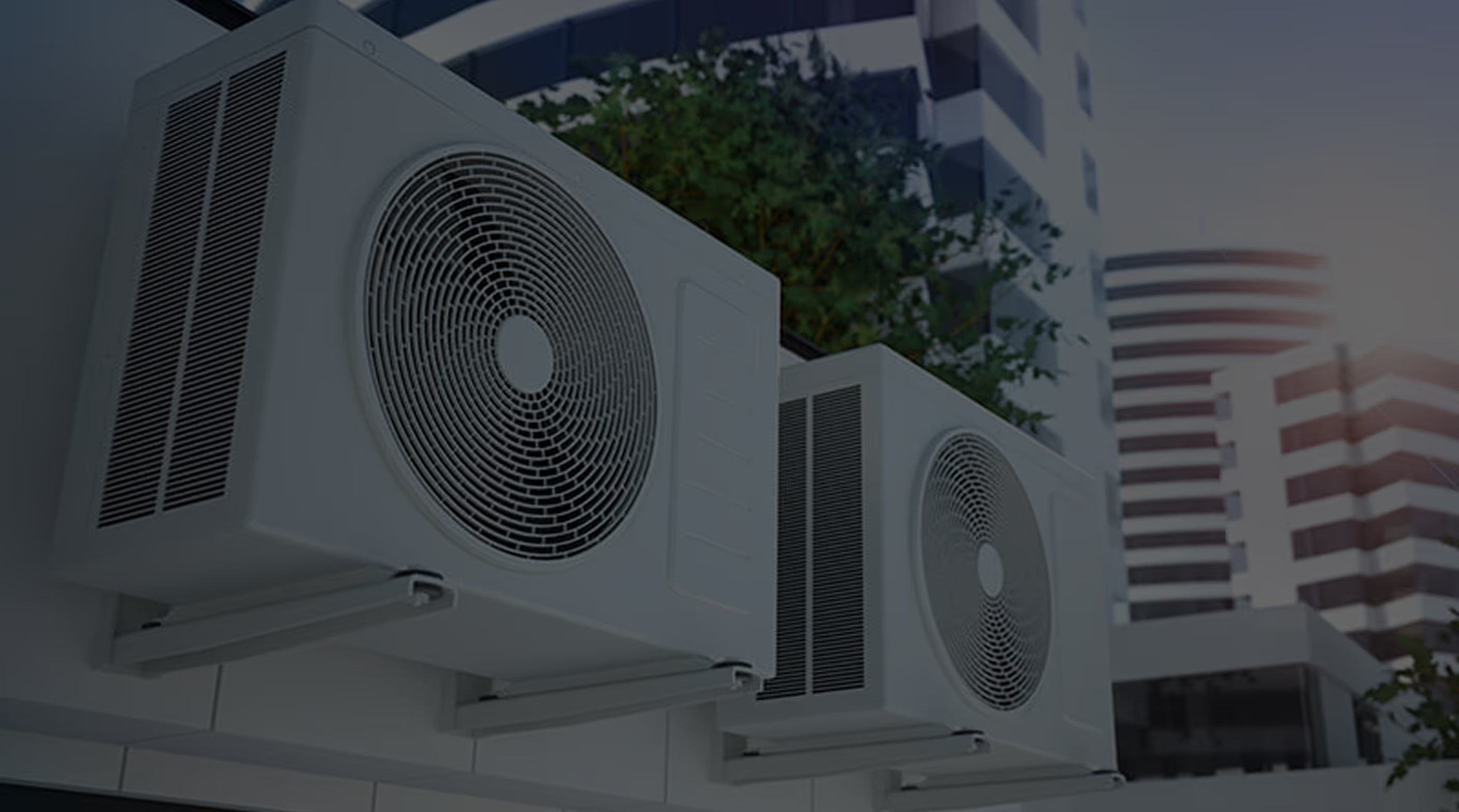
Mini Split Tune-Up in San Carlos, CA
An expert mini split tune-up from Plum HVAC in San Carlos, CA, is your best defense for protecting your home's comfort, efficiency, and the lifespan of your equipment. We meticulously target key areas like filters, coils, refrigerant levels, airflow, and electrical safety. Our service is tailored to address local conditions such as humidity, salt-air exposure, pollen, and the demands of year-round system use, with a focused maintenance plan specifically designed for San Carlos. Our skilled technicians perform a thorough inspection, carefully clean components, verify refrigerant pressures, calibrate thermostats for accuracy, test all safety devices, and validate overall system performance. Consistent, regular tune-ups will significantly improve reliability, reduce your energy consumption, and noticeably extend the life of your mini split.
-min.jpeg)
Mini Split Tune-up in San Carlos, CA
An expert mini split tune-up is one of the most effective ways to protect comfort, efficiency, and equipment life in San Carlos homes. With coastal influence, seasonal fog, and local pollen loads, mini-splits here face unique challenges that make regular, focused maintenance essential. A professional tune-up targets the components that matter most: filters and coils, refrigerant system integrity, airflow and controls, and electrical safety. The result is more reliable heating and cooling, lower energy use, and fewer unexpected repairs.
Why a local Mini Split Tune-up matters in San Carlos, CA
San Carlos sits in the Bay Area’s mild, maritime climate. That means:
- Higher humidity and occasional salt-air exposure can accelerate corrosion on outdoor components and encourage mold growth in drain pans and evaporator coils.
- Seasonal pollen, dust, and construction activity increase filter and coil clogging risk, which reduces airflow and efficiency.
- Many homes use mini-splits for year-round comfort; that continuous operation increases wear compared with seasonal-only use.
A tune-up tailored for San Carlos conditions focuses on corrosion prevention, moisture control, and keeping airflow clear so your system performs reliably through foggy springs, warm summers, and cool winters.
Common mini split tune-up issues in San Carlos
Homeowners scheduling a mini split tune-up often want solutions for:
- Reduced cooling or heating capacity due to dirty filters, clogged coils, or low refrigerant
- Water leaks from blocked condensate drains or evaporator coil freeze/thaw cycles
- Short cycling or inconsistent room temperatures from poor airflow or thermostat calibration
- Noisy operation because of loose panels, fan imbalances, or failing electrical components
- Corrosion or degraded line set insulation on outdoor units near the bay
What a focused Mini Split Tune-up includes
A proper mini split tune-up is a systematic inspection and service that covers mechanical, refrigerant, electrical, and indoor air quality items. Typical checklist items include:
- Filter cleaning or replacement: Washable filters cleaned or disposable filters swapped to restore designed airflow and indoor air quality.
- Evaporator and condenser coil cleaning: Remove dust, pollen, and residue that reduce heat transfer efficiency.
- Drain and condensate maintenance: Clear drain lines, flush traps, and inspect pans for mold or blockages to prevent leaks.
- Refrigerant pressure verification: Measure system pressures and calculate superheat/subcooling to confirm correct refrigerant charge.
- Airflow and blower checks: Verify blower motor performance and measured airflow across the indoor unit to ensure even room comfort.
- Thermostat and control calibration: Confirm setpoint accuracy and proper communication between indoor and outdoor units.
- Safety and electrical checks: Inspect wiring, terminals, contactors, capacitors, and fuses for wear, tightness, and corrosion; test safety devices.
- Line set and insulation inspection: Check insulation integrity, flare fittings, and signs of oil or refrigerant leakage.
- Outdoor unit condition: Look for corrosion, debris, and secure mounting; clean fins and straighten any bent vanes.
- Operational performance test: Run both cooling and heating cycles, measure temperature split, and listen for abnormal noises.
Diagnostic approach and what technicians look for
Technicians use a methodical diagnostic approach:
- Begin with a visual inspection of indoor and outdoor units for obvious damage, pest ingress, or corrosion.
- Check filters and airflow first—these are the most common performance culprits.
- Attach gauges to verify refrigerant pressures and use temperature measurements to calculate superheat/subcooling for charge assessment.
- Test electrical components under load and inspect for loose connections or degrading capacitors.
- Run the unit through a full cycle and record operating temperatures, fan speeds, and any error codes from the control board.
This process allows technicians to separate simple maintenance tasks from issues that require repair, such as refrigerant leaks or electrical component replacement.
Typical duration and service expectations
- A single indoor/outdoor mini split tune-up usually takes about 45 to 90 minutes, depending on unit accessibility, system complexity, and condition.
- Multi-zone systems or units with heavy buildup will require additional time for thorough cleaning and diagnostics.
- The tune-up report typically includes findings, recommended repairs or replacements, and suggested timing for the next maintenance visit.
(Note: specific pricing is not provided here; the focus is on service scope and expectations.)
Repairs and solutions commonly recommended after tune-up
When a tune-up uncovers problems, common repairs or solutions include:
- Replacing filters, capacitors, contactors, or worn fan motors
- Repairing refrigerant leaks and returning the system to proper charge
- Replacing or repairing faulty thermostats, sensors, or control boards
- Re-insulating or repairing line sets and correcting mounting issues to prevent vibration and corrosion
- Deep coil cleaning and antimicrobial treatment of drain pans in cases of mold
All repairs aim to restore efficiency, prevent recurrence, and extend system life.
Recommended tune-up interval for San Carlos homes
- For typical year-round residential use in San Carlos, schedule a professional mini split tune-up annually as a baseline.
- If the system runs heavily (multiple zones, continuous use, high indoor humidity, or frequent outdoor debris/pollen), consider twice-yearly tune-ups—ideally before summer and before the colder months.
- Regular homeowner maintenance (filter cleaning every 1–3 months, keeping outdoor unit clear of debris) complements professional service and reduces the need for emergency repairs.
Benefits of regular mini split tune-ups
Routine tune-ups deliver measurable benefits:
- Improved efficiency and lower energy consumption through clean coils and correct refrigerant charge
- More consistent comfort and faster recovery times when the system is called on
- Fewer breakdowns and longer equipment life by catching small issues early
- Better indoor air quality by removing trapped dust and biological growth
- Safer operation through verified electrical and safety checks
Quick homeowner maintenance tips
- Clean or replace filters every 1–3 months depending on occupancy and pollen levels.
- Keep at least 2 feet of clearance around outdoor units and gently hose off fins if accessible.
- Run the system briefly at least once a month during shoulder seasons to circulate refrigerant and lubricants.
- Watch for early signs: unusual noises, reduced airflow, water leaks, or rising energy bills.
A professional Mini Split Tune-up in San Carlos, CA, tailored to local conditions, protects comfort and investment. Regular maintenance reduces the chance of mid-summer failures and optimizes system performance year-round.
hear what our satisfied clients have to say

.svg)
Service areas
.avif)