

Mini Split Maintenance in San Carlos, CA
Mini-split maintenance in San Carlos, CA is essential for reliable climate control and energy efficiency. Plum HVAC outlines how coastal fog, pollen, and wildfire smoke stress outdoor and indoor components, and we cover common issues, from clogged filters and reduced airflow to refrigerant leaks and noisy operation, plus seasonal tune-up tasks, diagnostic methods, and recommended frequencies. We also describe typical repair pathways, the benefits of preventive service, and what to expect from basic, seasonal, and enhanced maintenance plans for durable, efficient performance.
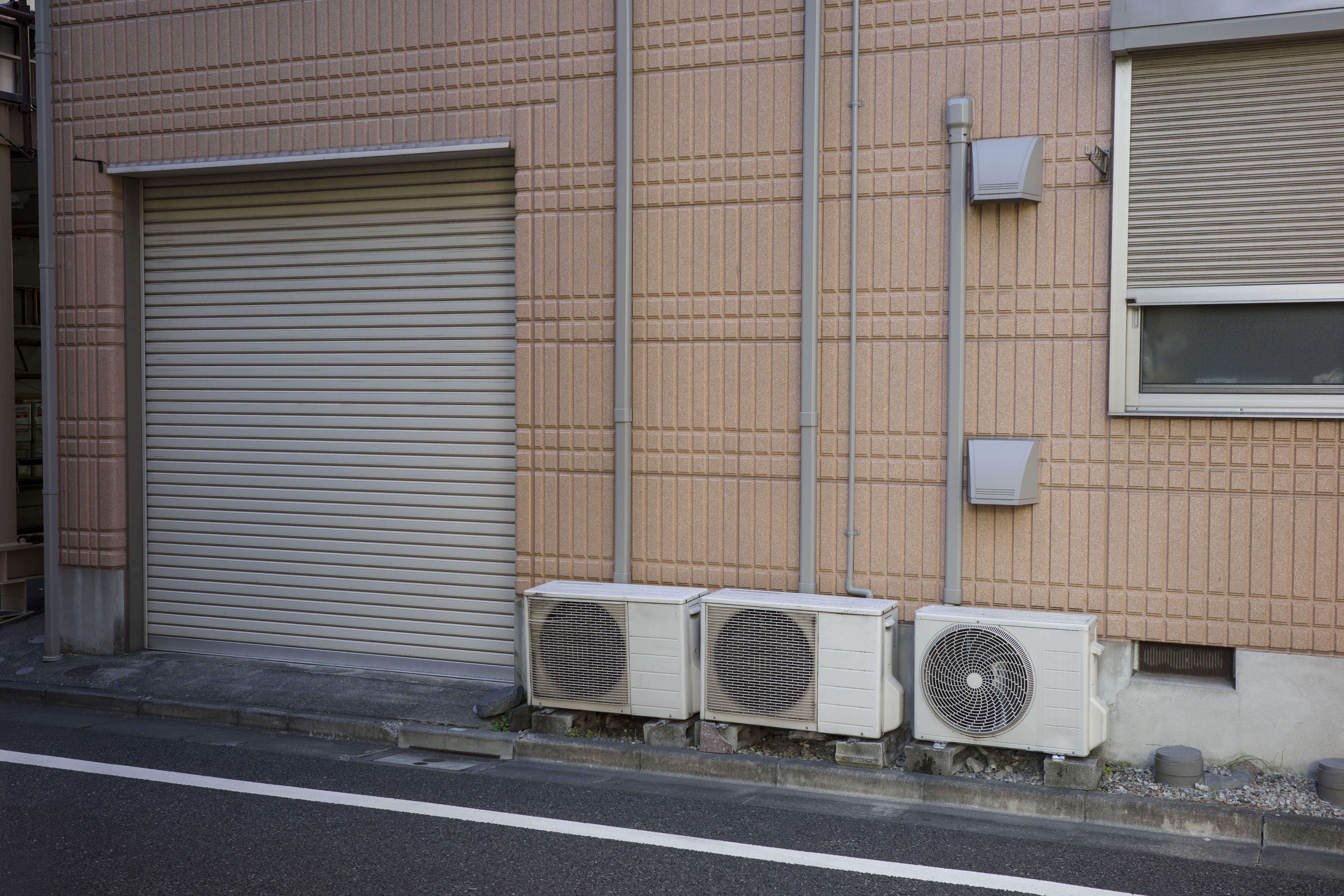
Mini Split Maintenance in San Carlos, CA
Keeping your mini-split running smoothly in San Carlos, CA means comfortable indoor temperatures, lower energy bills, and fewer surprise breakdowns. Mini split maintenance focuses on routine tune-ups that protect efficiency and reliability for ductless heating and cooling systems. For homeowners in San Carlos, local weather patterns such as coastal fog, seasonal humidity, and occasional wildfire smoke make regular maintenance especially important to preserve indoor air quality and prevent accelerated wear on outdoor units.
Why routine mini split maintenance matters in San Carlos, CA
Regular maintenance is more than a quick filter wipe. In the San Carlos area, small environmental factors add up:
- Coastal fog and moisture can accelerate corrosion on outdoor condensers and electrical connections.
- Spring and summer pollen and occasional wildfire smoke increase filter load and can reduce airflow and indoor air quality.
- Hot spells in summer and cool winter nights mean mini-splits often work year-round in heat or heat pump mode, so wear accumulates faster.
Planned maintenance preserves system efficiency, reduces energy use, extends equipment life, and helps maintain manufacturer warranties.
Common mini split issues in San Carlos homes
Homeowners who skip maintenance commonly see the following problems:
- Weak airflow or uneven cooling and heating from clogged filters or dirty evaporator coils.
- Short cycling or frequent on-off cycles due to refrigerant loss, faulty sensors, or control issues.
- Frozen indoor coils caused by restricted airflow or low refrigerant.
- Water leaks or condensate overflow from blocked drain lines.
- Noisy operation from loose mounts, fan imbalance, or failing motors.
- Reduced heating performance during cool Bay Area nights due to defrost cycle issues or low refrigerant.
Typical maintenance tasks included in seasonal tune-ups
A full mini split tune-up inspects and services all major system components. Typical checklist items include:
- Filter cleaning or replacement: washable filters are cleaned; disposable filters are checked and replaced as recommended.
- Indoor coil and blower cleaning: removes accumulated dust and improves airflow and heat transfer.
- Outdoor condenser cleaning: clears debris, leaves, and salt residue to protect fins and maintain airflow.
- Refrigerant level check: measures pressures and temperatures to verify correct charge and detect leaks. Technicians do not add refrigerant without identifying a leak.
- Electrical inspection: tightens terminals, inspects capacitors, contactors, and wiring for wear or corrosion.
- Thermostat and control check: verifies sensor function, wireless controls, and communication between indoor and outdoor units.
- Condensate drain and pan cleaning: clears clogs to prevent water damage and bacterial growth.
- Mechanical checks: inspects fan motors, mounts, and piping for vibration, corrosion, and insulation integrity.
- Performance testing: measures temperature split, operating current, and overall system performance to confirm efficient operation.
Recommended maintenance frequency for San Carlos homes
- Standard recommendation: once per year for systems used lightly or in mild climates.
- Best practice for San Carlos: twice per year, scheduled before summer and before the cooler months. Pre-summer tune-ups ensure peak cooling performance during warm spells. Pre-winter service checks heating mode and defrost functions.
- High-risk situations: homes with wildfire smoke exposure, heavy pollen, pets, or units near the bay may benefit from quarterly checks or more frequent filter cleanings.
How maintenance diagnostics reveal underlying problems
Technicians use a combination of visual inspection and performance measurements to find issues that are not obvious:
- Refrigerant diagnostics: measuring suction and discharge pressures plus temperature split helps detect undercharge, overcharge, or restriction.
- Electrical testing: voltage and amp readings reveal failing capacitors or motors that may not fail during a visual check.
- Airflow measurement and coil tests: identify reduced heat transfer that points to dirty coils or blocked air pathways.
- Leak detection: electronic leak detectors or dye tests help locate refrigerant leaks that will otherwise degrade efficiency.Finding problems early prevents minor faults from becoming emergency repairs.
Repairs and solutions commonly recommended after inspection
When maintenance uncovers issues, typical solutions include:
- Deep coil cleaning or professional chemical wash for heavily fouled indoor or outdoor coils.
- Condensate line clearing and application of safe biocide where bacterial growth is present.
- Refrigerant leak repair and recovery performed by certified technicians, followed by system recharge only after leak repair.
- Replacement of worn electrical components such as capacitors, contactors, or sensors to prevent failure.
- Rebalancing mounts or replacing fan motors to eliminate noise and vibration.
- Updating control firmware or recalibrating thermostats and wireless remotes to restore accurate operation.
Benefits of preventative mini split maintenance
Consistent maintenance yields measurable benefits for San Carlos homeowners:
- Improved energy efficiency and lower electric bills through restored heat transfer and optimized operation.
- Greater reliability with fewer emergency service calls during peak seasons.
- Extended equipment life, protecting the investment in high-efficiency mini-split systems.
- Better indoor air quality by removing particulates and allergens trapped in filters and coils.
- Faster identification of refrigerant leaks and electrical risks that could otherwise cause system failure.
Recommended maintenance plans and what to expect
Maintenance plans for mini-splits commonly bundle services to match homeowner needs:
- Basic tune-up plan: annual inspection, filter cleaning, condensate check, and basic performance test.
- Seasonal tune-up plan: two visits per year that include comprehensive coil and condenser cleaning, refrigerant check, full electrical inspection, and performance verification.
- Enhanced care plan: adds priority scheduling, seasonal filter deliveries or replacements, indoor air quality checks, and documented performance reports for each visit.
Each plan should list exactly what is included, the recommended visit schedule, and any parts or repairs that are not covered by routine maintenance.
Final notes on caring for your mini split in San Carlos
Mini split maintenance in San Carlos, CA addresses both equipment needs and local environmental factors. Scheduling seasonal tune-ups, keeping washable filters clean more frequently during pollen season or wildfire events, and performing a comprehensive inspection of refrigerant and electrical systems will keep your system efficient and reliable. Regular, documented maintenance preserves performance, lowers operating costs, and reduces the chance of inconvenient failures when you need heating or cooling the most.
hear what our satisfied clients have to say

.svg)
Service areas
.avif)