
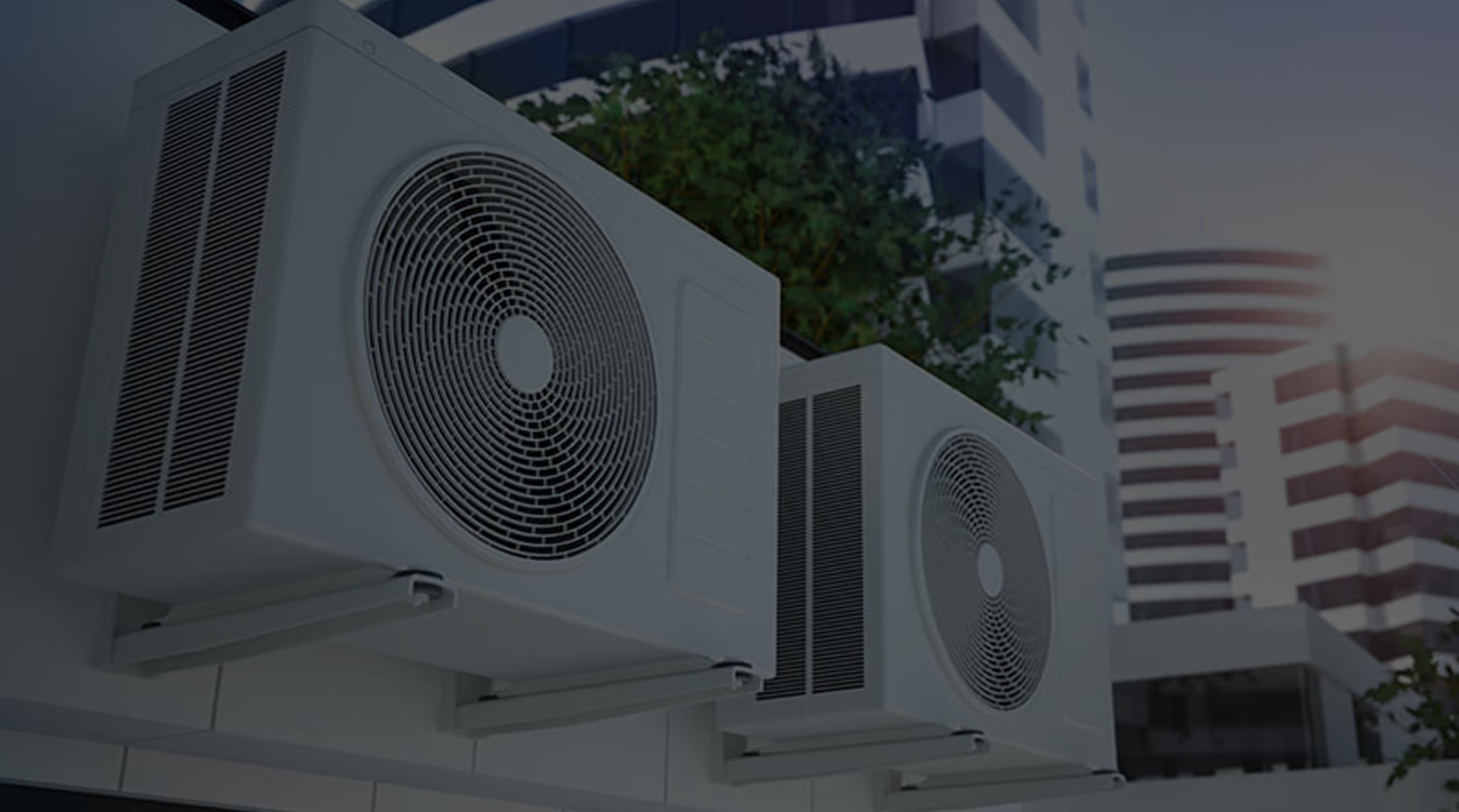
Mini Split Tune-Up in Palo Alto, CA
At Plum HVAC, our professional mini split tune-up services in Palo Alto, CA, are all about keeping your system running efficiently, safely, and reliably throughout the year. We conduct a detailed inspection and follow a thorough maintenance checklist, including filter cleaning, meticulous coil care, precise refrigerant checks, crucial electrical inspections, accurate thermostat calibration, thorough airflow verification, and essential safety testing. Our process also involves a quick diagnostic review, and if any issues are found, we'll provide clear recommendations for follow-up repairs. We'll outline the typical tune-up duration and offer flexible options for both single-zone and multi-zone systems. We always encourage homeowners to schedule annual tune-ups and follow simple maintenance tips to maximize system performance and significantly extend equipment life.
Mini Split Tune-up in Palo Alto, CA
Keeping a mini split running at peak performance matters in Palo Alto where hot summers, occasional heat waves, and seasonal wildfire smoke can stress HVAC equipment. A professional mini split tune-up in Palo Alto, CA improves comfort, lowers energy use, prevents breakdowns during high-demand periods, and helps extend the system's life. Below is a clear, decision-oriented guide to what a typical tune-up includes, how long it takes, the immediate benefits, recommended frequency for local homes, and the common service packages available.
What a Mini Split Tune-up covers
A complete tune-up is more than a quick filter check. Typical tasks performed during a mini split tune-up include:
- Cleaning filters and indoor coils: Remove and wash washable filters; inspect and gently clean evaporator coils if accessible. This restores proper heat transfer and airflow.
- Cleaning outdoor unit and coils: Remove debris, clear fins, and treat light corrosion risks common near the Bay. Clean coils to improve condenser performance.
- Checking condensate drain and pan: Clear clogs, verify proper slope, and test drain function to prevent water damage and mold growth.
- Verifying refrigerant level and pressures: Measure system pressures to detect leaks or undercharge that reduce efficiency and capacity.
- Inspecting electrical connections and components: Tighten terminals, check capacitors and contactors, and verify safe operation to reduce failure risk.
- Testing thermostats and controls: Confirm accurate sensing, communication between indoor and outdoor units, and proper setpoint response.
- Measuring airflow and fan operation: Verify indoor fan speeds, measure airflow qualitatively (or quantitatively if requested), and inspect for obstructed grilles or ducts.
- Checking line set insulation and outdoor mounting: Assess insulative wrap and secure mounting to prevent energy loss and vibration damage.
- System performance test: Run the unit through a short performance cycle to confirm cooling/heating capacity and stable operation.
Expected duration
- Single-zone mini split tune-up: typically 45 to 75 minutes.
- Multi-zone systems: typically 90 to 150 minutes depending on number of heads and accessibility.
- If additional diagnostics are needed (electrical repairs, refrigerant leak trace, major coil cleaning), a follow-up visit or extended service may be recommended.
Immediate and near-term benefits
- Improved efficiency: Clean coils and correct refrigerant levels restore energy efficiency, lowering electric usage during cooling months when Palo Alto bills can be high.
- Better comfort and airflow: Proper airflow and calibrated controls reduce hot spots and maintain consistent indoor temperatures.
- Increased reliability: Tightened electrical connections and component checks reduce the chance of mid-summer failures.
- Fewer indoor air quality issues: Clean filters and functional condensate drains reduce dust circulation and mold risk—important after wildfire smoke events.
- Longer equipment life: Routine maintenance reduces wear and tear, postponing costly premature replacement.
Common mini split problems found during tune-ups in Palo Alto
- Clogged washable filters or heavily dust-laden final filters from prolonged wildfire smoke exposure.
- Reduced cooling capacity due to low refrigerant from undetected leaks.
- Corroded outdoor coil fins from Bay area moisture and environmental exposure.
- Blocked condensate drains leading to water overflow or indoor drip.
- Weak or failing capacitors and contactors after years of cycling during hot spells.
- Damaged or poorly insulated line set exposing refrigerant lines to heat gains.
Typical diagnostic process (what the technician will do)
- Visual inspection of indoor and outdoor units for damage, debris, and rodent activity.
- Remove and inspect filters; clean washable filters and note when replacements are needed.
- Check electrical panel at both units, test voltage and current on key components.
- Measure refrigerant pressures and compare to manufacturer specifications for operating conditions.
- Test condensate drain flow; flush or remove blockages as required.
- Run the system and observe cycle performance, indoor/outdoor temperature differential, and listen for abnormal noises.
- Provide a concise service report listing findings, minor adjustments made, and recommended repairs if any.
Common repairs that may be recommended after a tune-up
- Refrigerant leak repair and recharge if pressures are low.
- Capacitor or contactor replacement for intermittent starting issues.
- Condensate pump replacement if drainage is blocked and gravity drain is not possible.
- Outdoor coil fin straightening or more thorough coil cleaning for corrosion or heavy buildup.
- Replacement of aging filters or interior air treatment components for improved indoor air quality.
Recommended tune-up frequency for Palo Alto homes
- Standard recommendation: once per year, preferably in spring before summer cooling demand. This timing readies the system for extended use when temperatures climb.
- Consider twice per year if any of the following apply:
- Your area experienced significant wildfire smoke or dust events.
- The system runs heavily year-round (consistent heating/cooling needs).
- You own a multi-zone system with heavier cycling or have an older installation.
- Homeowners with warranty requirements or certain manufacturer maintenance schedules should follow those specific intervals.
Service packages (what to expect, no pricing included)
- Basic Tune-up
- Visual inspection, filter cleaning/inspection, condensate drain check, performance test, simple adjustments.
- Standard Tune-up
- Everything in Basic plus outdoor coil cleaning, refrigerant pressure check, electrical connection tightening, and a short performance report.
- Comprehensive Tune-up
- Full Standard tasks plus detailed refrigerant diagnostics, airflow measurement, thermostat calibration, line set insulation check, and preventive recommendations. Best for multi-zone systems and older equipment.
Each package can be tailored for homes dealing with Palo Alto-specific issues such as salt air exposure near the Bay, wildfire-related particulate loads, or older homes with retrofitted mini splits.
Homeowner maintenance tips between tune-ups
- Clean or change filters monthly during heavy use or after wildfire events; otherwise check quarterly.
- Keep at least 2 feet of clearance around outdoor units; remove leaves, pollen, and yard debris.
- Watch for water stains or pools near indoor units that indicate a condensate issue.
- Program thermostats for steady setpoints rather than frequent large swings to reduce cycling wear.
- Note unusual noises, reduced cooling, or spikes in energy use and schedule a diagnostic sooner.
Final considerations
A properly performed mini split tune-up in Palo Alto, CA is a practical investment in system efficiency, indoor comfort, and long-term reliability. Regular maintenance addresses local risks like smoke-related filter loading and coastal corrosion, reduces energy waste during peak cooling months, and surfaces repairs early before they become costly failures. Choosing the right tune-up package for your system type and local conditions ensures consistent performance when you need it most.
hear what our satisfied clients have to say

.svg)
Service areas
.avif)