
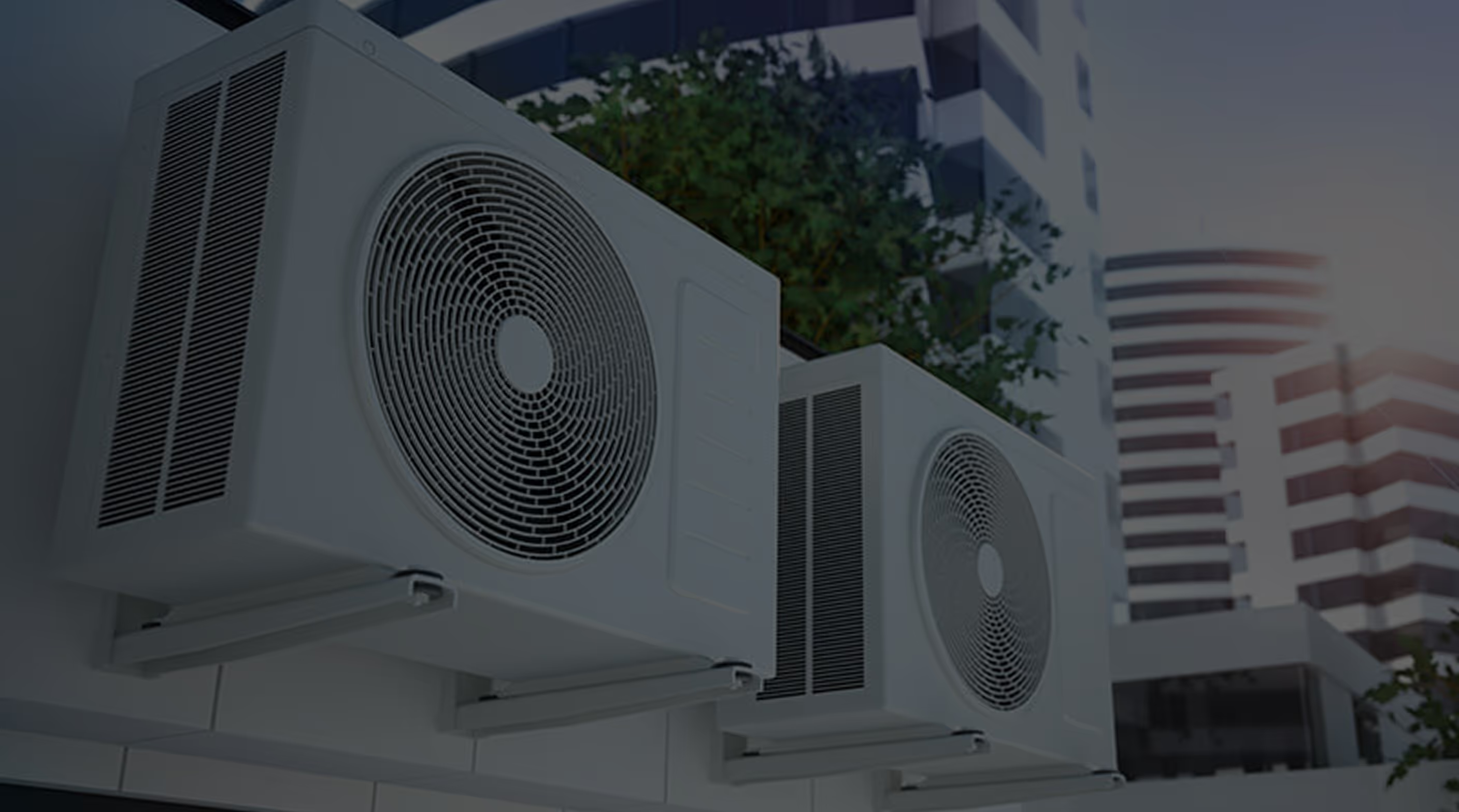
Mini Split Installation in Palo Alto, CA
Ductless mini split installation in Palo Alto, CA is detailed here by Plum HVAC, including site surveys, load calculations, and proper unit selection for single- or multi-zone setups. We cover indoor and outdoor unit options, refrigerant routing, electrical and permitting requirements, and commissioning with performance testing. Homeowners receive post-installation orientation, warranty guidance, and maintenance tips. We also discuss typical timelines, common installation challenges, and practical steps to ensure quiet operation, energy efficiency, and reliable climate control tailored to Palo Alto homes.
-min.jpeg)
Mini Split Installation in Palo Alto, CA
Installing a ductless mini split is one of the most effective ways to add reliable, energy-efficient heating and cooling to Palo Alto homes without extensive ductwork. Whether you are upgrading an older bungalow, adding climate control to a sunroom, or replacing a failing window unit in a Stanford-area condo, properly specified and installed mini splits deliver quieter operation, precise zoned comfort, and lower operating costs when compared to many legacy systems. This page explains the full installation process, common local issues, required permits and testing, and what homeowners in Palo Alto should expect from start to finish.
Common mini split needs in Palo Alto homes
- Zoned cooling for hot afternoons in inland neighborhoods and sun-exposed rooms.
- Efficient heating for mild Bay Area winters without running central gas furnaces.
- Comfort solutions for older homes without ductwork or with limited attic space.
- Improved indoor air filtration during wildfire smoke events (with appropriate filters or ventilation add-ons).
- Quiet, unobtrusive units for bedrooms and home offices common in local tech-worker households.
Site survey and load calculations
A successful mini split installation begins with a professional site survey and accurate load calculations. Technicians perform a room-by-room assessment using a Manual J style approach to determine heating and cooling loads, accounting for:
- Square footage, ceiling height, insulation levels, window orientation and solar gain.
- Local Palo Alto climate patterns — warm, dry summers with occasional heat spikes and mild winters — which affect system sizing.
- Occupant usage, appliance heat gain, and desired setpoint ranges.
Correct sizing avoids common problems: oversized systems that short-cycle and undersized systems that struggle on hot days. Load calculations also determine whether a single-zone or multi-zone system is the right choice.
Indoor and outdoor unit options
Ductless systems offer a range of indoor unit styles to suit aesthetics and performance needs:
- Wall-mounted units: most common, compact, and efficient for bedrooms and living areas.
- Ceiling cassettes: central-looking, good for open-plan rooms and even air distribution.
- Floor or low-wall consoles: ideal for historic homes or rooms with limited wall space.
- Multi-zone systems: one outdoor condenser connected to multiple indoor units for whole-house flexibility.Outdoor units vary by capacity and inverter technology; modern units use variable-speed compressors for improved comfort and efficiency. Considerations specific to Palo Alto include noise limits in residential areas and visual impact in neighborhoods with strict historic or HOA guidelines.
Professional mounting and refrigerant line routing
Proper mounting and clean refrigerant line routing are essential for performance and appearance:
- Indoor units are mounted on reinforced brackets, typically 6 to 8 feet above the floor for optimal airflow.
- Outdoor units require a level pad or wall brackets, with placement to minimize noise and maintain airflow clearance.
- Refrigerant lines, condensate drains, and low-voltage wiring are routed through a single small penetration where possible and sealed to prevent drafts and pest entry.
- Concealment options include running lines through closets, soffits, or using color-matched trunking to comply with local aesthetic standards.
Technicians follow manufacturer limits for line length and elevation change to ensure proper refrigerant charge and performance.
Electrical and permitting requirements in Palo Alto, CA
Mini splits require compliant electrical work and often city permits:
- Each outdoor unit typically needs a dedicated circuit, properly sized breaker, and an accessible disconnect per California electrical codes.
- Low-voltage control wiring, surge protection, and grounding must meet code and manufacturer specifications.
- City of Palo Alto permits and inspections are commonly required for new equipment installation and electrical modifications. Installations must comply with Title 24 energy requirements and may require documentation for building inspections.
- Historic districts and some HOAs have additional approval processes for visible outdoor equipment or conduit routing; plan for approvals when applicable.
Local permit timelines and inspection windows can affect scheduling; accurate documentation and code-compliant installation streamline approvals.
Commissioning and performance testing
Commissioning confirms the system operates as designed:
- Pressure and leak testing of refrigerant lines followed by proper vacuum and correct refrigerant charging per manufacturer guidance.
- Electrical verification: voltage, amperage, correct breaker sizing, and secure connections.
- Airflow and temperature testing: measuring supply/return temperatures to verify manufacturer-specified delta T and capacity.
- Noise and vibration checks at indoor and outdoor units.Commissioning ensures efficient operation, quiet performance, and valid equipment warranties.
Post-installation checks and homeowner orientation
After testing, a thorough walkthrough helps homeowners get the most from their system:
- Demonstration of controls and scheduling features, including Wi-Fi app setup if available.
- Explanation of filter access and recommended cleaning intervals, condensate drain care, and basic troubleshooting tips.
- Review of warranty registration, system documentation, and recommended seasonal maintenance to preserve efficiency and longevity.
- Guidance on combining mini splits with ventilation solutions or whole-house filtration for wildfire smoke events.
Expected timelines
Typical timelines in Palo Alto:
- Site survey and proposal: 1 to 5 business days after request, depending on scheduling.
- Permit submission and city review: often 1 to 3 weeks, variable based on workload and any HOA requirements.
- Installation duration: single-zone installs commonly completed in 1 day; multi-zone systems typically 2 to 4 days depending on line set routing and complexity.
- Final inspection and commissioning: scheduled after installation and may add several days depending on city inspection availability.
Common issues and how they are prevented
- Short cycling from oversized equipment: prevented by accurate load calculations and correct sizing.
- Poor drainage and indoor leaks: avoided by proper condensate routing and slope, and by installing safety drain pans where needed.
- Refrigerant leaks or improper charge: eliminated through professional brazing, vacuuming, and pressure testing during installation.
- Noise complaints: mitigated by selecting quiet outdoor models and placing units with attention to neighbors and property boundaries.
- Permit delays: minimized by submitting complete documentation and specifying code-compliant electrical work.
Benefits for Palo Alto homeowners and maintenance tips
Ductless mini splits offer precise zone control, high seasonal efficiency with modern inverter compressors, and flexible installation options for homes without ducts. In Palo Alto’s climate, they provide effective cooling during warm spells and efficient heating in the mild winter months. Regular filter cleaning, annual professional inspections, and ensuring outdoor unit clearance are simple maintenance steps that preserve efficiency and comfort.
For homeowners considering a ductless upgrade, understanding the survey, permitting, and commissioning steps helps ensure a smooth installation and reliable system performance tailored to Palo Alto conditions.
hear what our satisfied clients have to say

.svg)
Service areas
.avif)