

Mini Split Tune-Up in Emmerald Hills, CA
Experience a professional mini-split tune-up in Emerald Hills, CA from Plum HVAC that protects your comfort, improves efficiency, and lowers monthly energy costs. This seasonal service includes thorough cleaning of filters and coils, precise refrigerant checks, accurate thermostat calibration, detailed electrical safety inspection, effective condensate drain clearing, airflow verification, and an operational performance test for both indoor and outdoor units. Regular visits from Plum HVAC help prevent moisture-related corrosion, mold growth, and unexpected breakdowns, while extending equipment life and preserving manufacturer warranties. Schedule a tune-up to maintain reliable cooling and heating year-round.
Mini Split Tune-up in Emmerald Hills, CA
Keeping a mini split system tuned and inspected is one of the most cost-effective ways to protect comfort, lower energy bills, and avoid unexpected breakdowns. In Emmerald Hills, CA, where the Mediterranean climate brings warm, dry summers, cool damp winters, and periodic coastal fog or salt air depending on elevation, routine mini split tune-ups help systems run reliably year-round and resist region-specific stresses like pollen buildup, moisture-related corrosion, and salt air exposure.
Why a seasonal mini split tune-up matters
Mini split systems are efficient but sensitive to maintenance. A professional seasonal tune-up restores cooling and heating capacity, finds small problems before they become failures, and helps preserve manufacturer warranty requirements. For Emmerald Hills homes, tune-ups also reduce the chance of moisture-driven coil corrosion and mold growth that can occur after wet winters or during foggy periods.
Common mini split issues in Emmerald Hills, CA
- Dirty or clogged filters and coils from pollen and dust, reducing airflow and efficiency.
- Refrigerant leaks or incorrect pressure caused by wear or minor damage.
- Electrical wear or loose connections, especially in older installs.
- Condensate drain blockages leading to water leaks and indoor staining or odor.
- Thermostat or control calibration drift causing uneven temperatures or short cycling.
- Outdoor unit corrosion if located where coastal air or irrigation spray reaches components.
What a complete seasonal tune-up covers
A thorough tune-up follows a checklist to restore efficiency, safety, and reliability. Typical items include:
- Filter cleaning and inspection: Washable filters are removed, cleaned, and inspected for damage; disposable filters are checked and replacement is recommended if needed. Clean filters improve airflow and indoor air quality.
- Indoor and outdoor coil cleaning: Evaporator and condenser coils are inspected and removed of dust, pollen, and film that reduce heat transfer. In coastal or fog-prone locations, gentle rinsing helps remove salt residues.
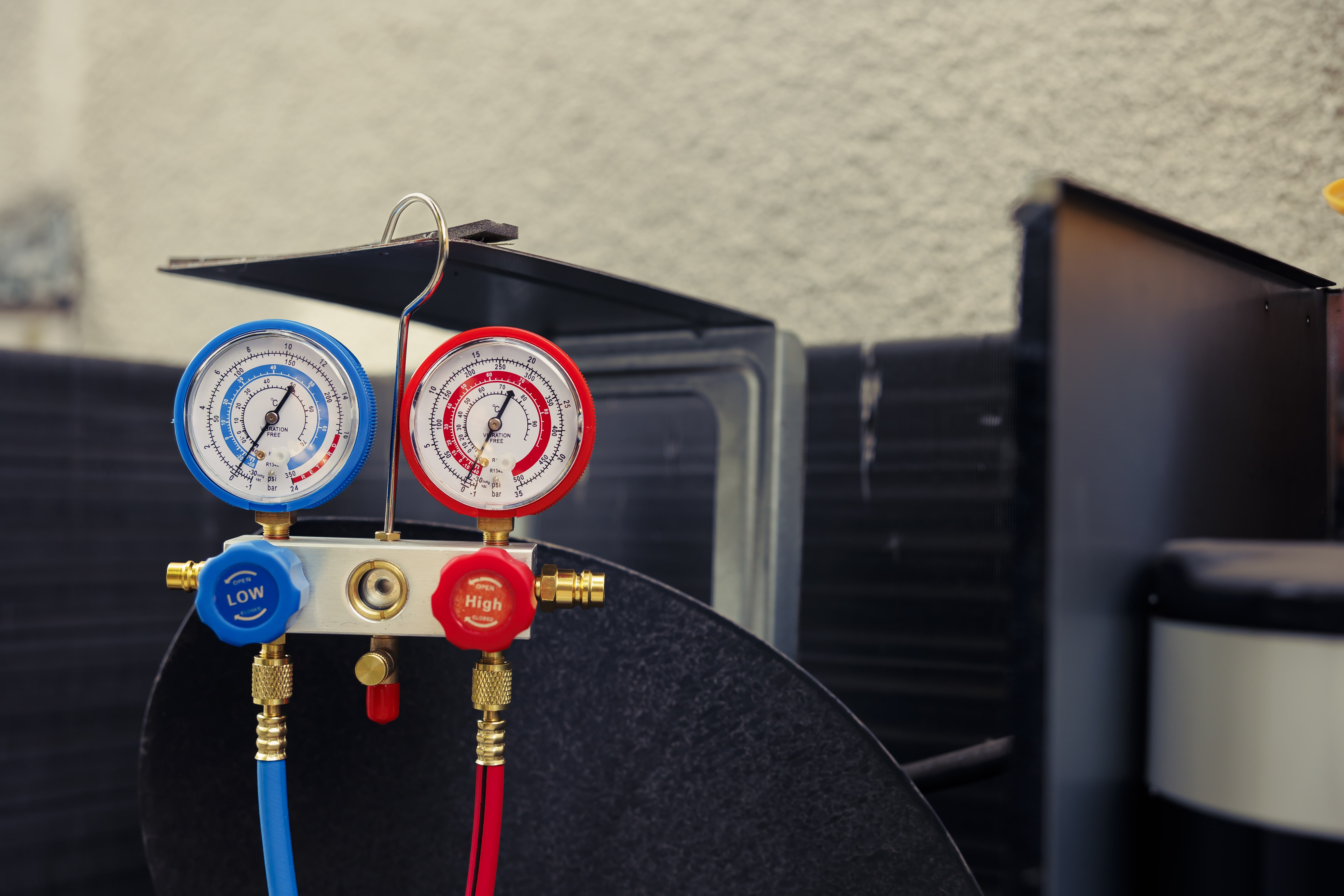
- Refrigerant and pressure checks: Technicians measure system pressures and temperatures to confirm correct refrigerant charge and detect potential leaks that reduce capacity.
- Thermostat and control calibration: Controllers and thermostats are tested and calibrated to ensure accurate temperature readings and proper communication with all indoor heads.
- Electrical safety inspection: Wiring, terminals, capacitors, contactors, and fuses are inspected for wear, overheating, or loose connections to prevent failures and safety hazards.
- Condensate drain clearing: Drain lines and pans are checked and cleaned to prevent clogs, overflow, and microbial growth.
- Airflow and blower inspection: Indoor blower motors and fan blades are inspected and cleaned; static pressure and airflow are checked to ensure correct distribution.
- Operational performance test: System is run through cooling and heating cycles to verify target temperatures, cycle times, sound levels, and overall performance.
- Outdoor unit condition check: Mounting, vibration, fins, and clearance around the outdoor unit are reviewed to confirm adequate airflow and structural stability.
Expected service duration
- Single-zone mini split tune-up: typically 45 to 75 minutes.
- Multi-zone systems (2 to 4 indoor heads): typically 90 to 150 minutes depending on accessibility and scope.
- Larger multi-zone installations or systems with diagnostic issues can take longer if repairs or refrigerant recovery are required.
Recommended frequency
- Biannual tune-ups are recommended for most Emmerald Hills homes: once in early spring to prepare for summer cooling, and once in late fall to prepare for winter heating.
- Properties near the coast or with heavy pollen exposure may benefit from more frequent inspections, while very lightly used systems could manage with annual service.
What tune-ups prevent (benefits)
- Improved seasonal energy efficiency and lower monthly utility usage.
- Reduced risk of mid-season breakdowns and emergency repair needs.
- Longer system life and better retention of factory-rated performance.
- Better indoor air quality through cleaner filters and drains.
- Early detection of refrigerant leaks or electrical hazards before they become costly.
- Stable, predictable comfort with properly calibrated controls and airflow.
Typical repairs or adjustments discovered during tune-ups
- Simple filter replacements or coil cleanings that immediately restore capacity.
- Refrigerant leak diagnosis and repair followed by recharging to correct operating pressures.
- Replacement of worn capacitors, relays, or capacitors that cause hard starts or intermittent operation.
- Clearing or re-piping condensate lines to eliminate persistent drips and mold risk.
- Rebalancing airflow or replacing faulty indoor fan motors for even distribution.
Homeowner preparations and small tasks between tune-ups
- Clean or vacuum washable filters every 2 to 4 weeks during heavy use.
- Keep at least 2 feet of clear space around the outdoor unit and trim vegetation that can block airflow.
- Observe and note any unusual noises, cycling patterns, or odors and record when they occur.
- Avoid directing irrigation spray onto the outdoor unit to reduce corrosion risk.
- Check that remote controllers have fresh batteries and that timers/schedules match your usage.
What to expect when arranging a tune-up appointment
When you arrange a professional tune-up, technicians will typically ask for: system make and model, number of indoor units, age of the installation, and any recent symptoms like loss of cooling, noises, or water leaks. Appointments are often offered on seasonal scheduling windows (spring and fall) when systems are most commonly inspected. On-site, a technician will perform the checklist items, document findings, and outline any recommended repairs and estimated next steps if issues are uncovered.
Final notes on reliability and value
Regular mini split tune-ups are a practical investment for Emmerald Hills homes that prioritizes comfort, efficiency, and long-term system health. Seasonal maintenance mitigates climate-driven challenges like moisture and pollen, preserves indoor air quality, and helps ensure predictable operation through temperature extremes. Following a consistent tune-up schedule keeps systems running as intended and reduces the likelihood of expensive mid-season repairs.
hear what our satisfied clients have to say

.svg)
Service areas
.avif)