
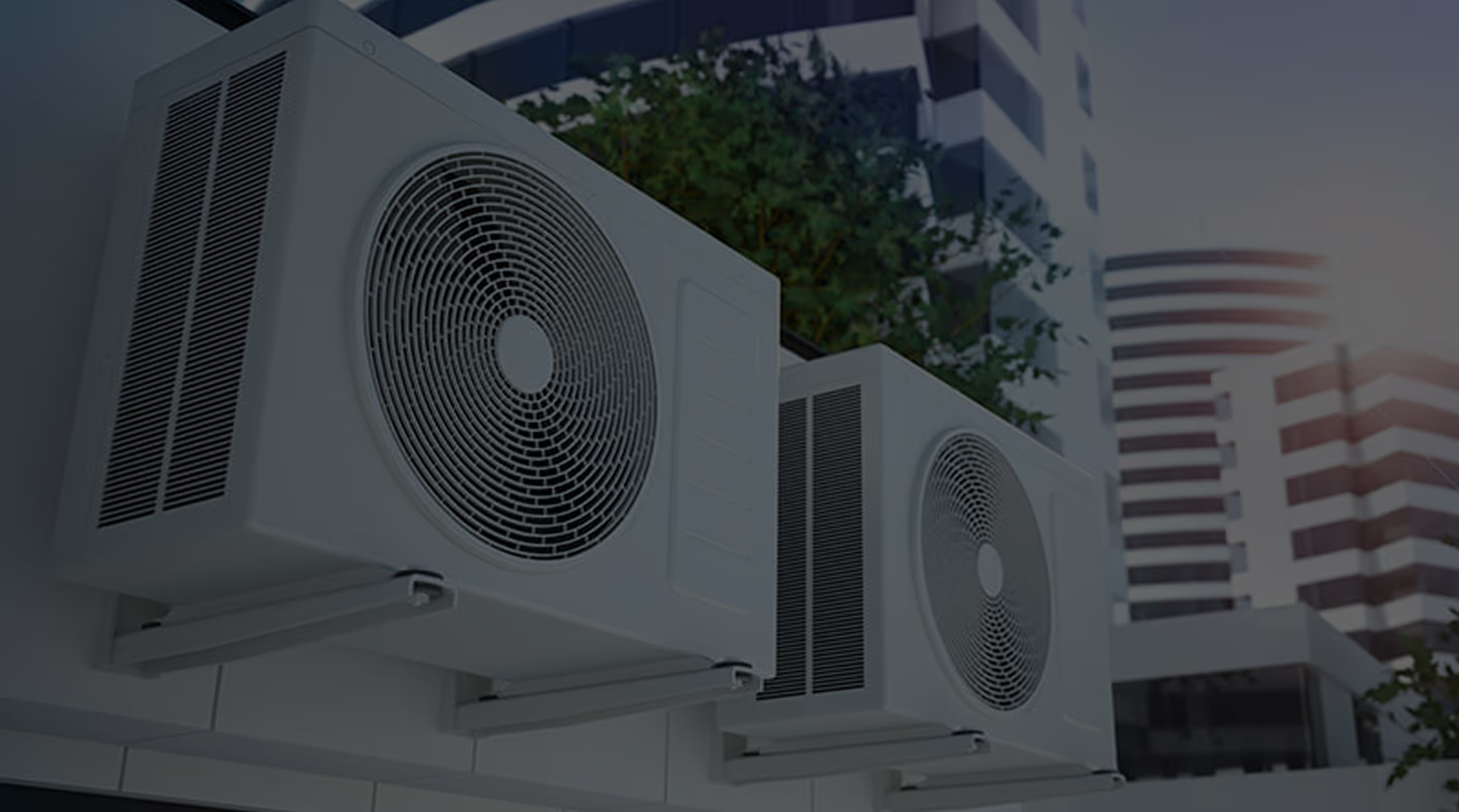
Mini Split Installation in Emmerald Hills, CA
Mini split installation in Emerald Hills, CA offers efficient, zoned heating and cooling without ductwork. This guide covers site surveys, load calculations, and equipment options, detailing indoor unit types, multi-zone configurations, and mounting considerations. It outlines the installation process from preparation to commissioning, timing, and aftercare, with emphasis on quiet operation, energy savings, and system performance. Homeowners will learn how to plan, select components, and maintain a reliable mini split that meets local climate needs and lifestyle goals, ensuring lasting comfort.
-min.jpeg)
Mini Split Installation in Emmerald Hills, CA
Installing a mini split in Emmerald Hills, CA is one of the most effective ways to add efficient, zoned heating and cooling to homes that need targeted comfort without expensive ductwork. Whether you are retrofitting an older Hills residence, upgrading a sunroom, or creating independent temperature control for multiple rooms, a properly specified mini split delivers comfort, lower operating costs, and flexible placement. This page walks through the full mini split installation process for Emmerald Hills homes, common system options, technical details installers consider, and what homeowners should expect before, during, and after installation.
Why mini splits are a good fit for Emmerald Hills homes
- Emmerald Hills experiences warm to hot summers and generally mild winters; cooling demand is often the priority. Mini splits provide efficient cooling with inverter-driven compressors that adjust output to real-time load.
- Many homes in the area are older or have room additions where adding ducts is impractical. Mini splits require only a small hole for the line set, preserving existing architecture.
- Zoned control is ideal for uneven solar gain from large windows on hillside properties and for owners who want independent temperature control in bedrooms, offices, or garages.
Common mini split installation needs in Emmerald Hills
- Single-room cooling and heating for additions, sunrooms, or converted attics
- Multi-zone systems for whole-house retrofits without ductwork
- Replacement of inefficient window units or portable heaters with quieter, more efficient equipment
- Targeted comfort for bedrooms and home offices to reduce whole-house HVAC running time
Site survey and load calculation
A thorough site survey and Manual J load calculation are the foundation of a successful mini split installation. Key elements covered:
- Room-by-room heat gain and loss: solar exposure, window area, insulation levels, and occupancy.
- Local climate factors: typical summer peaks, nighttime cooling opportunities, and humidity considerations for Emmerald Hills.
- Electrical capacity and panel layout: available circuits, breaker space, and whether a dedicated circuit or service upgrade is required.
- Mounting locations and line-set routing: structural surfaces, interior aesthetics, and outdoor unit placement for noise and airflow clearance.Proper sizing avoids short-cycling and inefficient operation. Oversized units create comfort and humidity problems; undersized units struggle on peak days.
System and indoor unit options
Mini split design varies by indoor unit type and how many zones are required:
- Wall-mounted units: Most common for single-room installs. High efficiency, compact, and easy to maintain.
- Ceiling cassette units: Better for large open rooms and spaces where wall placement is limited. Provide more even airflow distribution.
- Floor-mounted units: Useful for rooms with low wall space or for elderly occupants who benefit from lower airflow.
- Multi-zone systems: One outdoor unit serves multiple indoor heads (2–8+ zones), ideal for whole-home retrofits or multi-room comfort control.
Selecting the right indoor unit depends on room layout, aesthetics, and noise sensitivity. In Emmerald Hills, choosing low-noise outdoor units and careful placement helps reduce impact on neighbors in closely spaced lots.
Placement, line-set routing, and mounting work
- Indoor placement: Mount units where airflow can cover the room without direct drafts on occupants or blocking architectural features. Typical mounting height for wall units is 7 to 8 feet.
- Outdoor placement: Place the condenser on a stable pad or bracket with clearance for airflow and maintenance, considering hillside drainage and potential wind exposure.
- Line-set routing: A single small hole (typically 2–3 inches) passes refrigerant lines, condensate drain, and low-voltage wiring. Routing minimizes bends and avoids long exposed runs that reduce efficiency.
- Electrical work: Dedicated circuits are commonly required. Installations include disconnects and ground-fault protection as dictated by local code.
- Structural mounting: Anchoring to studs or concrete pads prevents vibration and ensures long-term reliability.
System commissioning and performance testing
A proper commissioning process confirms the system operates to specification:
- Refrigerant charge verification and leak check
- Temperature split measurement from return air to supply air
- Electrical verification: amperage, voltage, and correct breaker sizing
- Airflow measurement and balancing where multi-zone systems are used
- Condensate drainage inspection and, if needed, installation of condensate pumpsTechnicians should run the system through heating and cooling modes to verify performance on a warm and a cool cycle.
Energy-savings considerations for Emmerald Hills
- Choose high-efficiency models with variable-speed inverter compressors and high SEER/HSPF ratings to reduce monthly energy use during long cooling seasons.
- Properly sized multi-zone setups let you cool only occupied spaces instead of the whole house.
- Smart controls and programmable thermostats maximize setback strategies and integrate with home automation.
- Improve building envelope: shading, reflective window films, and attic insulation reduce load and enhance the mini split’s effectiveness.
- Consider heat-recovery or cold-climate models if heating performance is a priority for cooler nights.
Typical project timeline
- Site survey and load calculation: 1–3 days to schedule and complete.
- Equipment selection and permitting: 1–2 weeks depending on local permit processing and equipment availability.
- Installation day(s): Single-zone replacement or addition can often be completed in a single day (4–8 hours). Multi-zone or complex installs may require 1–3 days.
- Commissioning and final performance testing: Completed immediately after installation; minor adjustments may follow within the first week of operation.Timeline can vary with permit lead times, HOA approvals, and equipment backorders.
Customer preparation and aftercare
Preparation before installation:
- Clear access to proposed indoor and outdoor unit locations and ensure safe on-site parking for installers.
- Remove fragile wall hangings or furniture near installation locations.
- Confirm electrical panel access and note any special HOA or permit requirements.
Aftercare and maintenance best practices:
- Clean or replace filters every 1–3 months depending on use and indoor air quality.
- Keep outdoor unit clear of vegetation, debris, and standing water to maintain airflow and prevent corrosion.
- Inspect condensate drain lines periodically and test drainage to avoid water damage.
- Schedule an annual professional check that includes refrigerant level check, electrical inspection, and coil cleaning to preserve efficiency and warranty coverage.
- Monitor performance the first 30 days and report any irregular noises, reduced airflow, or inconsistent temperatures for early correction.
Final considerations for Emmerald Hills homeowners
A professionally executed mini split installation delivers targeted comfort, lower operating costs, and flexible zoning that fits the varied home styles in Emmerald Hills. Proper planning—accurate load calculations, thoughtful indoor/outdoor placement, compliant electrical work, and thorough commissioning—ensures reliable, quiet operation and the energy savings that make mini splits a smart long-term investment for local climate conditions.
hear what our satisfied clients have to say

.svg)
Service areas
.avif)