
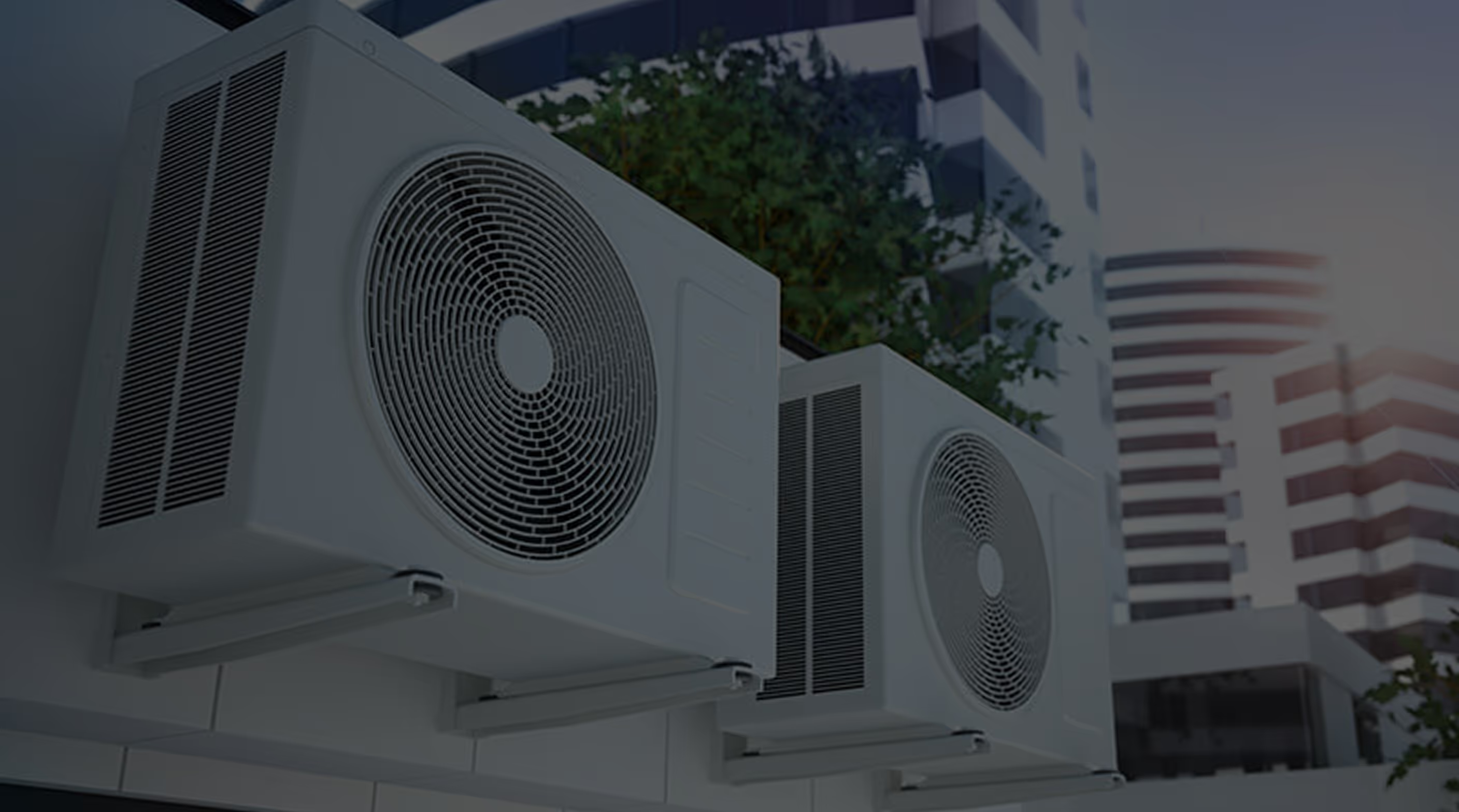
Mini Split Repair in Woodside, CA
For Woodside mini split repair services, Plum HVAC provides detailed diagnostics, practical repair options, and maintenance guidance tailored to local conditions. Common issues we see include compressor failures, refrigerant leaks, electrical faults, fan motor problems, condensate and drain troubles, and faulty sensors. Our technicians perform thorough inspections, pressure testing, leak detection, and system communication checks to identify root causes quickly.
We prioritize manufacturer-compatible parts, explain tradeoffs for aftermarket components, outline warranty steps, and offer same-day or staged timelines. We also provide preventive tips for wildfire and debris-related wear, ensuring your system is resilient and efficient.
-min.jpeg)
Mini Split Repair in Woodside, CA
Ductless mini split systems are a popular choice for Woodside, CA homes because they deliver efficient, zoned heating and cooling without ductwork. When a mini split stops performing, it affects comfort quickly—especially during inland heat spikes or when wildfire smoke forces windows closed and systems run longer. This page explains common failure modes, how professional diagnostics are performed, typical repair options, timelines, manufacturer-compatible parts and warranty handling, emergency repair considerations, and practical tips to reduce repeat breakdowns for mini split repair in Woodside, CA.
Common mini split issues in Woodside homes
Understanding failure patterns helps homeowners prioritize repairs. Common problems technicians see in local homes include:
- Compressor failure: The outdoor compressor may run poorly or not at all. Causes include electrical faults, age, or blocked airflow around the unit on steep or tree-lined lots.
- Refrigerant leaks: Line-set damage, poor brazing, or corrosion can cause slow loss of refrigerant and reduced cooling capacity.
- Electrical faults and control board issues: Power surges, rodent damage, or moisture intrusion can damage capacitors, contactors, or the inverter board.
- Fan and motor failures: Indoor or outdoor fans can seize or run noisily due to worn bearings or debris from surrounding vegetation.
- Drain and condensate problems: Clogged drain lines or failing condensate pumps cause indoor leaks and water damage.
- Sensor and thermostat faults: Faulty temperature sensors or communication errors between indoor and outdoor units lead to cycling or poor temperature control.
Woodside’s wooded lots and variable inland temperatures increase exposure to debris, pollen buildup, and occasional higher-load cooling days, making proactive maintenance especially valuable.
Diagnostic process: what a technician will do
A thorough diagnostic isolates the root cause so you get the correct repair rather than a temporary fix. Typical steps include:
- Visual inspection of indoor and outdoor units for debris, bent fins, rodent damage, and accessible wiring.
- Electrical testing of power supply, breakers, fuses, capacitors, and control boards to identify faults.
- Refrigerant pressure checks with gauges to confirm charge levels and to locate leaks using electronic leak detectors or UV dye if necessary.
- Motor and fan inspection to test run condition, noises, and airflow measurements across coils.
- Drain inspection and clearing, including condensate pans and pump testing.
- System communication and sensor checks using manufacturer diagnostic codes and test modes.
- Report and recommendation: clear description of required repair or replacement options and an expected timeline.
Technicians familiar with the terrain and multi-zone layouts common in Woodside can also assess line-set routing and outdoor placement issues that affect reliability.
Repair options and what they mean
Repair decisions depend on the diagnosis, system age, and parts availability. Common repairs include:
- Compressor replacement: For sealed-system failures, replacing the compressor may restore function if the outdoor motor and inverter are serviceable. Some systems require full outdoor module replacement.
- Refrigerant leak repair and recharge: Locate and repair the leak, evacuate and vacuum the system, then recharge with the correct refrigerant and verify subcooling and superheat.
- Electrical repairs and control board replacement: Replace capacitors, contactors, or the inverter/PCB and verify proper startup sequences with manufacturer test procedures.
- Fan motor or blower replacement: Swap motors or fans and balance blades to reduce vibration and noise.
- Drain clearing and condensate pump service: Clean or replace clogged drains and faulty pumps to stop leaks and prevent mold.
- Indoor unit or PCB swap: For persistent communication errors or sensor failures, OEM replacement parts preserve system compatibility.
When parts are required, technicians prioritize manufacturer-compatible components to maintain performance and minimize integration issues with multi-zone systems.
Parts, manufacturer-compatible replacements, and retrofits
Many mini split brands have model-specific parts. Using OEM or exact-compatible components preserves efficiency and helps maintain any remaining manufacturer warranty. In older systems where parts are obsolete, compatible aftermarket components may be used but technicians will explain tradeoffs, including potential impacts on performance and long-term reliability. For homes considering system upgrades, technicians can evaluate whether replacing a single component or performing a partial module swap is cost effective versus full equipment replacement.
Warranty handling and documentation
If your system is under warranty, proper documentation and timely reporting matter. Typical steps technicians follow:
- Verify warranty status and terms for parts versus labor.
- Document diagnostic findings with photos, readings, and manufacturer error codes.
- Coordinate parts authorization with the manufacturer when required.
- Provide the paperwork needed for warranty claims, such as serial numbers and service logs.
Technicians experienced with manufacturer processes can streamline approvals and reduce delays.
Typical repair timelines and what to expect
Timelines vary by the repair type:
- Simple electrical fixes, fan motor swaps, and drain clearing can often be completed the same day.
- Refrigerant leak location and repair, plus evacuation and recharge, may require multiple visits if specialist brazing or line replacement is necessary.
- Compressor or outdoor module replacements can take one to several days depending on parts availability and the need to match line-set lengths or reconfigure multi-zone systems.
Technicians should explain expected durations up front so you can plan around access to attic spaces, rooftops, or hard-to-reach outdoor units.
Emergency and priority repair considerations
Certain conditions call for prioritized response, especially in Woodside where property and health risks may be higher during extreme weather or wildfire events. Examples of emergency scenarios:
- Complete system failure during a heat wave or cold snap affecting infant, elderly, or medically vulnerable occupants.
- Severe indoor leaking causing active water damage.
- Electrical faults with burning smells or visible sparking.
Priority repair options generally focus on minimizing immediate risk and stabilizing the system while planning permanent repairs. Technicians will assess safety first and may provide temporary measures to protect the home.
Preventive tips to avoid future breakdowns
Regular maintenance is the most effective way to reduce unexpected failures:
- Schedule seasonal cleanings to remove pollen, debris, and mildew from coils and filters.
- Keep outdoor units clear of leaves and vegetation to ensure proper airflow.
- Inspect drain lines and condensate pans for slow drainage or blockages.
- Replace filters on the manufacturer recommended schedule, or more often during wildfire season.
- Have an annual inspection before the summer cooling season to catch small refrigerant losses or electrical wear.
For hilly, tree-lined Woodside properties, line-set protection and strategic outdoor unit placement can prevent mechanical damage and extend system life.
Mini split repair in Woodside, CA focuses on accurate diagnostics, manufacturer-compatible solutions, and practical recommendations tailored to the local environment. Proper diagnosis and timely repairs preserve comfort, protect home assets, and extend the useful life of your ductless system.
hear what our satisfied clients have to say

.svg)
Service areas
.avif)