
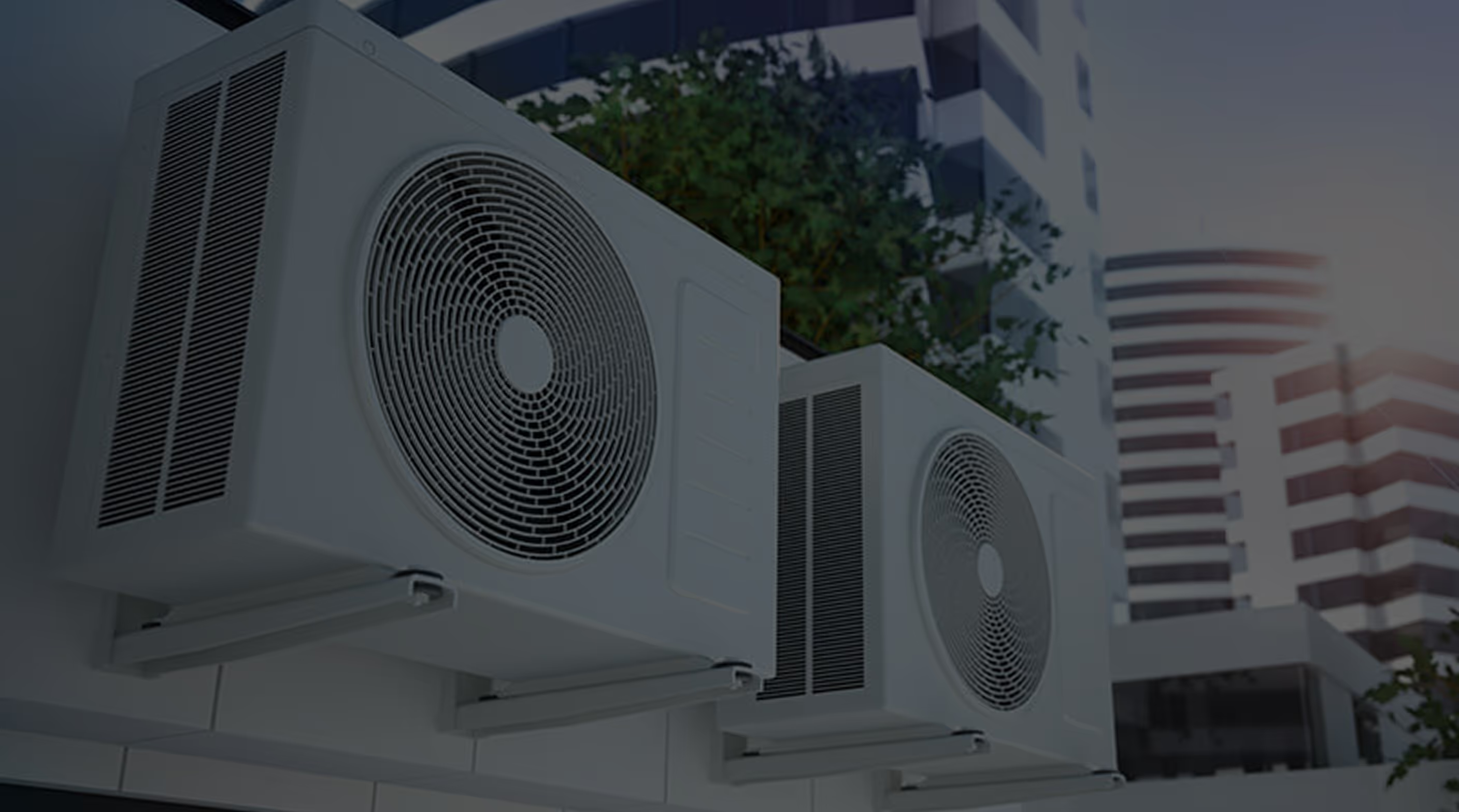
Mini Split Repair in Cupertino, CA
Diagnosing and repairing mini-split systems in Cupertino, CA involves addressing common faults through a structured troubleshooting process by Plum HVAC. Key issues include refrigerant leaks, fan failures, and control faults, all of which can affect efficiency and comfort in homes with a Mediterranean climate. Our process begins with a detailed initial assessment, followed by electrical and mechanical checks, and concludes with performance verification to ensure proper operation. Homeowners receive clear timelines, warranty considerations, and emergency repair options. Additional guidance covers scheduling, maintenance tips, parts availability, and adherence to safety best practices, helping prevent future breakdowns and maintain energy efficiency.
%2520(2)-min%2520(1).jpeg)
Mini Split Repair in Cupertino, CA
Ductless mini-split systems are a common choice in Cupertino homes for efficient, zoned heating and cooling without ductwork. When a mini-split underperforms or fails, it can quickly affect comfort, indoor air quality, and energy bills. This page explains how mini split repair in Cupertino, CA is diagnosed and completed, what common faults look like, typical repair processes and timelines, warranty considerations, emergency repair options, and how homeowners typically arrange service.
Why timely mini split repair matters in Cupertino
Cupertino sees mild Mediterranean weather most of the year with occasional heat waves and temperature swings that stress HVAC equipment. Many local properties rely on mini-splits for targeted comfort in bedrooms, additions, and older homes without ducts. Left unaddressed, small issues like refrigerant leaks or a failing fan motor can reduce efficiency, cause uneven cooling or heating, and lead to more expensive failures. Prompt diagnostics and repair restore performance, protect system lifespan, and help keep energy use down during peak summer demand.
Common mini split problems in Cupertino homes
- Compressor failure or short cycling: Symptoms include the outdoor unit running but no cooling, strange noises from the compressor, or the system turning on and off rapidly. Causes range from electrical faults to refrigerant imbalance.
- Outdoor or indoor fan issues: Reduced airflow, rattling or grinding sounds, and weak airflow at the wall head usually point to fan motor or blade damage, obstructed vents, or blown capacitors.
- Refrigerant leaks: Loss of refrigerant causes poor cooling, frosting on the evaporator coil, or longer run times. Leaks may come from line sets, fittings, or coil corrosion.
- Control and communication faults: Problems with remote controls, wall-mounted controllers, or Wi-Fi connected thermostats are common, especially in tech-forward Cupertino homes with smart integrations.
- Drainage and condensate problems: Clogged condensate lines or drain pans lead to water leaks, indoor moisture, or error codes.
- Electrical and capacitor failures: Tripped breakers, burned contacts, or failed start/run capacitors cause the unit not to start or to struggle to run.
- Sensor and PCB failures: Faulty temperature sensors or circuit boards can produce incorrect operation or error codes.
Diagnostic and troubleshooting process
A structured diagnostic approach ensures accurate repair recommendations:
- Initial assessment: Technician records symptoms, checks error codes on the indoor and outdoor units, and inspects the controller and wiring.
- Visual inspection: Look for obvious issues: physical damage, oil traces (sign of leaks), corroded fittings, dirty filters, and blocked outdoor coil or airflow obstructions.
- Electrical testing: Verify voltage, continuity, and capacitor health to find power-related failures.
- Refrigerant and pressure testing: Measure refrigerant pressure and temperatures to identify undercharge, overcharge, or leaks.
- Airflow and performance checks: Measure airflow and temperature split across the evaporator coil to assess system capacity and heat exchange.
- Smart integration checks: Test controller communication, Wi-Fi settings, and firmware where applicable.
This diagnostic work clarifies whether the repair will be a simple part swap, leak repair and recharge, or a more complex compressor or PCB replacement.
Repairs and parts commonly used
- Fan motor and blade replacement: Restores proper airflow and quiet operation.
- Capacitor and contactor replacement: Common fixes for start and run problems.
- Refrigerant leak repair and recharge: Locate and repair the leak, evacuate and recharge to factory-specified refrigerant charge.
- Compressor replacement: Required for locked or failed compressors; may involve refrigeration system evacuation and oil balancing.
- Control board or sensor replacement: Fixes error codes and erratic behavior.
- Drain line cleaning or condensate pump service: Stops leaks and prevents indoor water damage.
- Line set and fitting repairs: For damaged or corroded refrigerant lines.
All repairs begin with a safety-first approach, including power isolation and proper refrigerant handling practices.
Repair timelines and what to expect
- Simple fixes (filters, capacitors, controls): Often completed in a few hours during a single visit.
- Leak location and repair with recharge: Typically requires a longer visit or a return trip to confirm leak repair and proper pressure; expect same-day or next-day completion in most cases.
- Compressor or major component replacement: May require ordering parts, coordinating refrigerant recovery and vacuums, and can take several days depending on parts availability.
- Complex diagnosis: Intermittent electrical or communication faults can need extended testing over multiple visits.
Timelines depend on part availability, the need for refrigerant recovery permits per regulations, and system complexity. Local parts supply chains and technician scheduling can also influence completion time.
Warranty, compliance, and refrigerant considerations
- Many mini-split components carry manufacturer warranties for compressors, parts, and sometimes labor through installer programs. Repairs should be performed in ways that preserve any remaining manufacturer warranty obligations.
- California has regulations on refrigerant handling and reporting; proper leak repair, record keeping, and recovery are part of compliance.
- When replacing refrigerants or major components, matching the system’s specified refrigerant type and charge is critical for performance and warranty compliance.
Emergency repair options
Emergency repairs are prioritized when failures present imminent risk to health, safety, or property—examples include total system failure during a heat wave, flooding from condensate backup, or a short that trips household circuits. Emergency response typically focuses on stabilizing the system: restoring safe power, clearing condensate to prevent water damage, and providing temporary cooling solutions while parts are sourced.
Scheduling service and what homeowners should prepare
Homeowners in Cupertino commonly schedule repairs through online booking portals or by phone with trained HVAC technicians. At the time of booking, providing the system make and model, symptom description, and any recent changes (power outages, controller updates, construction) helps streamline the first visit. On-site, technicians usually need safe access to both indoor heads and the outdoor unit, and it is helpful to clear the area around outdoor condensers for inspection.
Preventive tips to reduce future repairs
- Replace or clean filters every 1 to 3 months depending on use and indoor air quality.
- Keep outdoor units clear of debris, vegetation, and stored items to maintain airflow.
- Have seasonal inspections before peak cooling and heating periods to catch small problems early.
- Monitor controller and Wi-Fi connectivity after home network changes or power outages.
- Address unusual noises, smells, or error codes promptly rather than delaying service.
Benefits of timely repair
Prompt mini split repair in Cupertino restores comfort, reduces energy consumption during high-demand months, and prevents small faults from becoming major failures. Properly repaired and maintained systems run quieter, last longer, and maintain indoor air quality—important for local families and home offices in Cupertino’s climate and lifestyle.
This overview outlines the diagnostic steps, common faults, repair options, expected timelines, warranty and compliance considerations, emergency response priorities, and scheduling practices relevant to mini split repair in Cupertino, CA.
hear what our satisfied clients have to say

.svg)
Service areas
.avif)