

Mini Split Repair in Burlingame, CA
Plum HVAC provides professional Mini Split Repair in Burlingame, CA, offering clear, end-to-end service from diagnostics to completed repairs. Our guide outlines common failure modes, a structured troubleshooting process, typical parts replaced, and expected timelines. We cover safety, refrigerant handling, and warranty considerations, then explain scheduling and on-site service expectations. Our maintenance tips emphasize regular filtration, outdoor coil care, and seasonal tune-ups to extend equipment life and preserve comfort in Burlingame homes. We also clarify typical costs and warranty coverage.
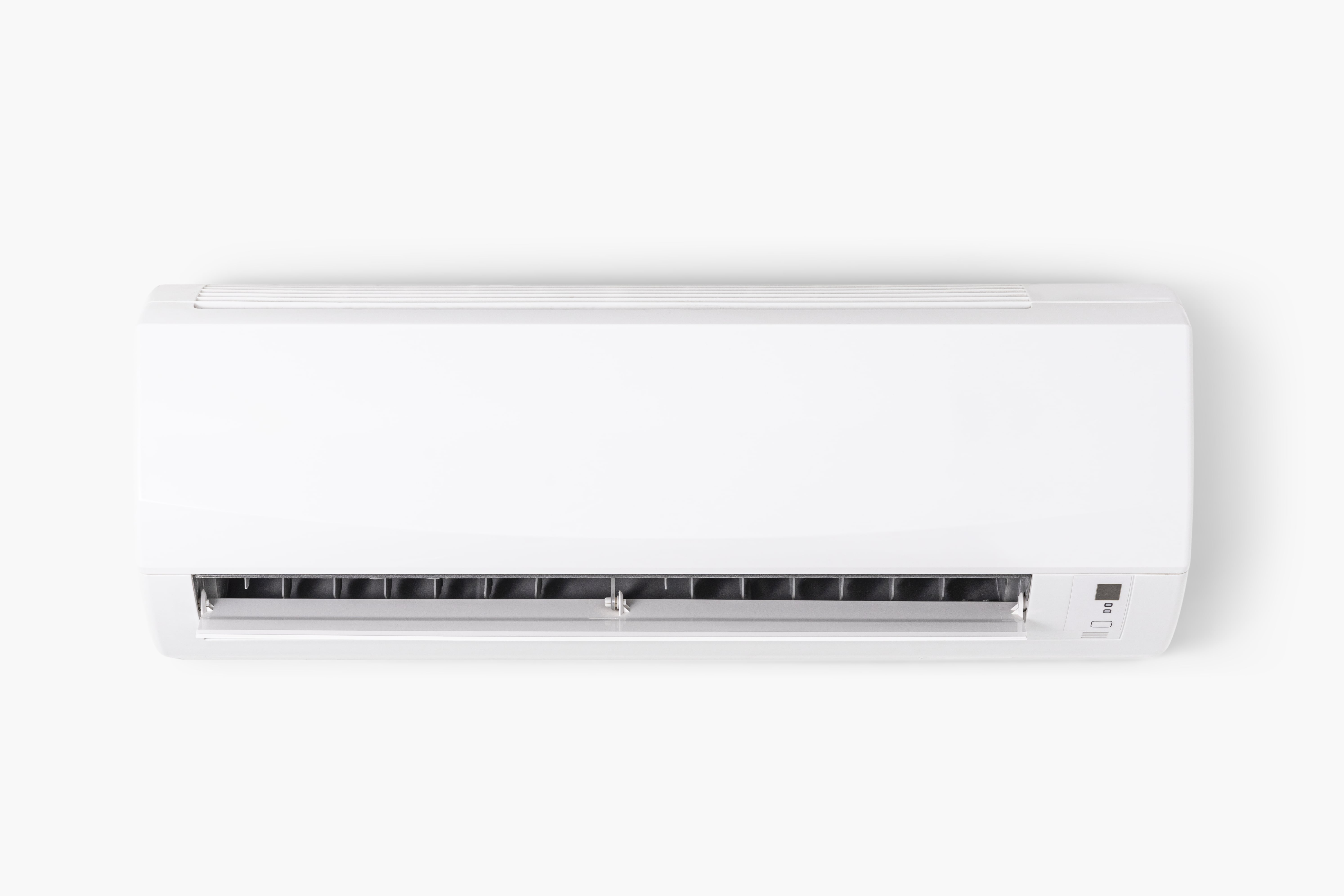
Mini Split Repair in Burlingame, CA
Ductless mini-split systems are a common choice for Burlingame homes because they deliver efficient heating and cooling without ductwork. When a mini-split fails, the result is discomfort, higher energy bills, or hidden damage from leaks and condensation. This page explains how professional Mini Split Repair in Burlingame, CA works: typical failure modes, step-by-step diagnostics and repairs, common parts replaced, expected repair times, warranty and testing procedures, and what to expect when arranging service.
Why timely repair matters in Burlingame
Burlingame’s mild, coastal climate and occasional marine layer place specific stresses on mini-splits. Salt air and higher humidity can accelerate corrosion of outdoor coils and electrical contacts. Seasonal temperature swings and heavy use during heat events make small problems escalate quickly. Prompt diagnostics and repair restore efficiency, prevent refrigerant loss, reduce the chance of compressor failure, and protect indoor comfort.
Common mini-split failure modes in Burlingame
These are the most frequent issues technicians see in local ductless systems:
- Compressor and fan motor problems
- Outdoor unit fails to start, runs intermittently, or hums without spinning
- Causes: motor winding failure, capacitor failure, mechanical seizure from corrosion, or compressor burnout after prolonged low refrigerant
- Refrigerant leaks and pressure issues
- Indoor unit frost, low cooling capacity, or high head pressures
- Causes: pinhole leaks, joints failing from vibration, corrosion on outdoor coils, or improper brazing from prior work
- Electrical faults and control board failures
- System will not power, frequent tripping of breakers, or erratic operation
- Causes: corroded terminals, loose wiring, failed contactors, or damaged control boards from moisture
- Thermostat, remote, or control communication problems
- Units do not respond to remotes, erratic setpoint behavior, or error codes
- Causes: faulty remotes, IR/RF interference, broken control wiring, or failed indoor control boards
- Drainage and condensate issues
- Water dripping inside, moldy odors, or indoor unit shutdown on float switch
- Causes: clogged drain lines, improper trap slope, or frozen coils due to airflow issues
Diagnostic and troubleshooting process
A systematic diagnostic process identifies root causes and reduces repeat visits. Typical steps include:
- Initial inspection on arrival
- Visual check of indoor and outdoor units for corrosion, physical damage, pests, and accessibility
- System startup and basic function checks
- Observe start-up sequence, listen for unusual sounds, and check airflow and temperature differentials
- Electrical and safety checks
- Verify voltage, inspect fuses and breakers, test capacitors and relays, and check control wiring continuity
- Refrigerant system diagnosis
- Measure suction and discharge pressures, check superheat and subcooling, and use electronic leak detection when pressures indicate loss
- Component testing
- Motor amp draw, compressor windings resistance, fan operation, and control board diagnostics
- Indoor unit evaluation
- Inspect evaporator coil, air filter, drain pan, and blower motor; check for blockages or frozen coil patterns
- Controls and thermostat verification
- Test remote, receiver, and communication lines; clear error codes and simulate cycles
Findings are documented and a recommended repair plan is prepared with parts and time estimates. Safety and refrigerant handling follow local regulations.
Typical repairs and parts replaced
Common replacements in Burlingame mini-split work include:
- Capacitors and contactors
- Fan motors and blower assemblies
- Compressor replacement when salvage is not feasible
- Refrigerant line repair, re-brazing, and leak sealing
- Refrigerant recharge after leak repair and proper evacuation
- Control boards, sensors, and remote receivers
- Thermostats, communication harnesses, and terminal blocks
- Condensate pumps, drain lines, and pans
- Outdoor coil repairs or full outdoor unit replacement if corroded beyond repair
Parts are chosen to match manufacturer specifications to retain performance and any remaining system warranties.
Estimated repair times
Repair time varies by issue complexity and parts availability. Typical windows are:
- Simple electrical fixes, capacitor or fan motor swaps: 1 to 3 hours
- Refrigerant leak location and line repair: 2 to 6 hours (may require drying/evacuation time)
- Compressor replacement or major outdoor unit work: half day to a full day, sometimes scheduled as a two-visit job
- Control board or indoor unit component replacement: 2 to 4 hours
Some jobs require same-day parts; others need ordering and follow-up. Technicians typically provide an estimated timeline after on-site diagnosis.
Warranty and post-repair testing procedures
Professional repairs include systematic post-repair checks and documentation:
- Pressure and leak testing
- Pressure-hold or vacuum tests after brazing to confirm leak-free lines
- Proper evacuation and recharge
- Deep vacuum to remove moisture and contaminants, then charge to manufacturer-specified levels and recheck pressures
- Performance verification
- Measure temperature split, airflow, and amp draw to ensure the system meets expected output
- Operational cycle testing
- Run multiple heat and cool cycles, verify defrost operation and thermostat communication
- Visual inspection and cleaning
- Confirm seals, insulation, and condensate routing are properly reassembled
- Service records and warranty documentation
- Repairs and replaced parts are logged; most parts are accompanied by a limited warranty from the manufacturer or installer. Warranty terms and durations vary by component.
These steps minimize recurrence and provide a clear record for homeowners and future service needs.
How scheduling and on-site service typically work
Scheduling for residential mini-split repairs generally follows a predictable flow:
- A service appointment is set for a defined arrival window
- A technician conducts the on-site diagnostic, explains findings, and provides a repair scope and time estimate
- If parts are required, the technician can often source common items locally; more complex components may require ordering and a return visit
- Technicians arrive with safety gear, refrigerant recovery equipment, and common replacement parts to expedite repairs
This transparent process helps Burlingame homeowners understand what to expect and plan around service windows without surprises.
Maintenance tips and benefits of prompt repair
Regular preventative maintenance reduces emergency repairs and extends system life. Key tips:
- Replace or clean filters every 1 to 3 months depending on use
- Keep outdoor unit clear of debris and rinse salt buildup intermittently if near the water
- Inspect condensate lines seasonally and confirm proper slope
- Schedule annual professional tune-ups before heavy-use seasons
Prompt repair restores efficiency, prevents larger failures such as compressor burnout, maintains indoor air quality, and keeps energy costs lower. In Burlingame homes, addressing corrosion and moisture issues early preserves equipment value and comfort.
This overview describes what a homeowner in Burlingame should expect from professional mini split repair: precise diagnostics, targeted repairs, clear timelines, and thorough testing that protect performance and longevity.
hear what our satisfied clients have to say

.svg)
Service areas
.avif)