
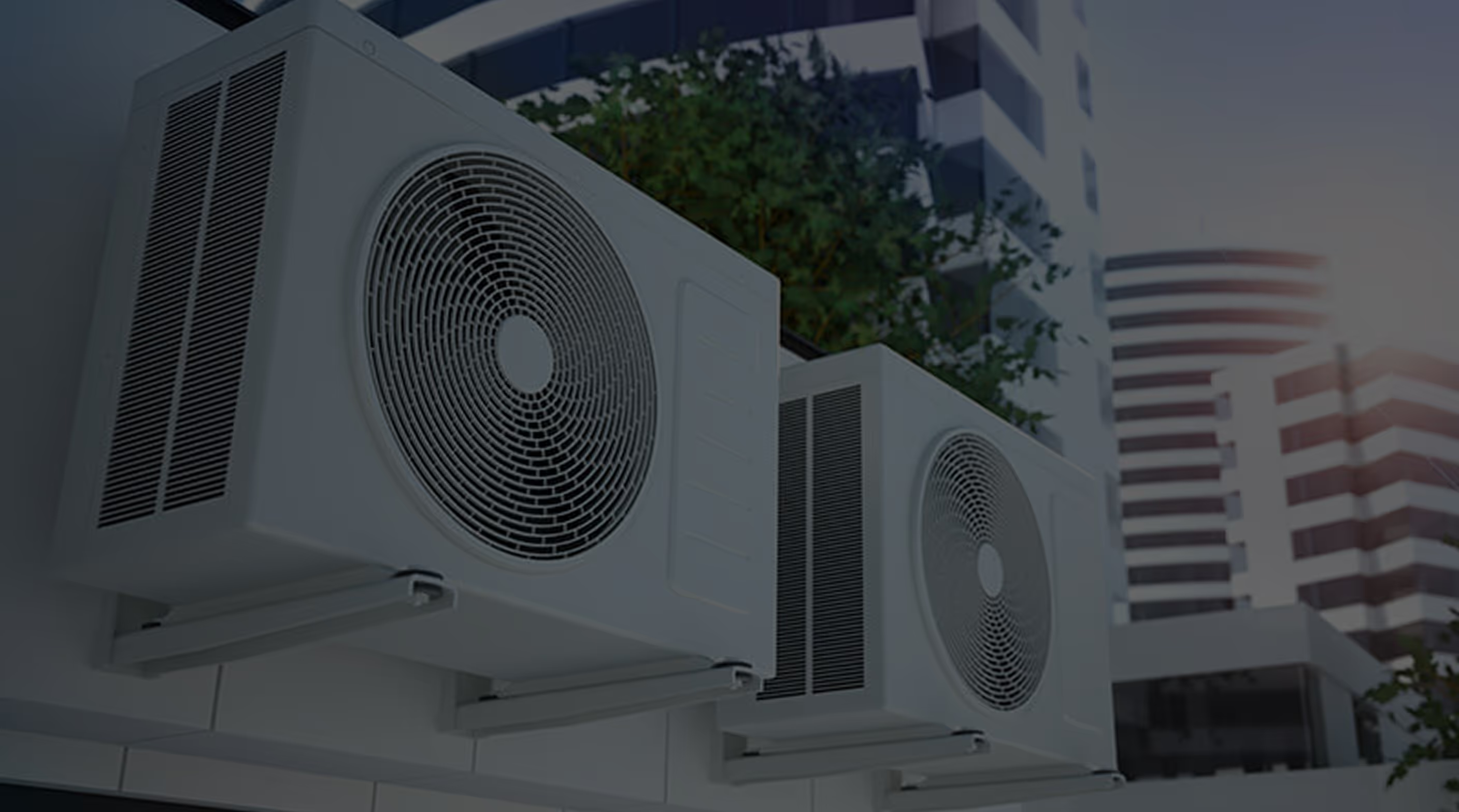
Mini Split Installation in Burlingame, CA
When you choose professional mini-split installation in Burlingame, CA, you're getting a full process handled by experts. We cover everything from on-site assessment and load calculations to system commissioning and post-installation maintenance. We emphasize best practices for indoor and outdoor unit placement, line-set routing, electrical requirements, and code compliance, with special attention to coastal corrosion factors and local microclimates. Homeowners gain clear insight into project timelines, common Burlingame-specific challenges, and guidance on maintenance and warranties to maximize efficiency, comfort, and long-term system reliability. Our approach highlights practical steps, clear cost considerations, and ensures professional installation that guarantees safety and optimal system performance.
%2520(1)-min.jpeg)
Mini Split Installation in Burlingame, CA
Installing a mini split in Burlingame, CA gives homeowners efficient, targeted heating and cooling without the disruption of ductwork. Whether you live in a period bungalow, a midcentury home, or a newer condo, a properly sized ductless system provides year-round comfort, better indoor air quality, and lower operating costs compared with aging central systems. This page explains the complete mini-split installation process in Burlingame, common local issues, what to expect during the project, and maintenance and warranty recommendations so you can make an informed decision.
Why a mini split makes sense in Burlingame
Burlingame experiences mild, Mediterranean-style weather with cool, often foggy mornings and warm afternoons in summer. Many homes in the city are older and were never designed with ducts, or have inefficient duct systems that lose energy. A mini split:
- Offers flexible, zone-by-zone control for rooms with different needs.
- Delivers efficient cooling in summer and efficient heating in the cooler months without running a gas furnace.
- Is ideal for retrofits in tight spaces like attics, additions, converted garages, and historic homes where installing ducts would be costly or intrusive.Coastal and bay proximity can increase corrosion risk on outdoor equipment. Proper placement and corrosion-resistant hardware are important in Burlingame installations.
Common mini split issues in Burlingame homes
Homeowners often search for solutions to these local concerns:
- Poor performance in rooms with high solar gain or poorly insulated windows.
- Corrosion or rust on outdoor units due to bay-influenced moisture and salty air.
- Electrical panel limitations in older homes that block adding a multi-zone outdoor unit.
- Improper refrigerant charge or undersized units from installers who skip load calculations.
- Drainage problems in humid or foggy weather causing condensate backups.
The on-site assessment and load calculation
A professional installation begins with an on-site assessment. Technicians will:
- Inspect the home layout, insulation, window orientation, ceiling height, and occupancy patterns.
- Perform a Manual J load calculation (or equivalent) for each zone to determine heating and cooling loads.
- Discuss preferred zone control, aesthetic placement, and electrical capacity.Accurate load calculation ensures the system is sized to deliver consistent comfort and avoid short cycling. In Burlingame, the assessment will also factor in local microclimates and solar exposure that affect room loads.
Recommended indoor and outdoor unit placement
Placement is both functional and aesthetic. Typical guidance includes:
- Indoor heads: mounted high on an interior wall for even airflow, or recessed/ceiling cassette for more discreet installations in living rooms or bedrooms.
- Outdoor unit: set on a concrete pad or anti-vibration brackets at least several feet from windows and property lines, elevated to avoid pooling water and sheltered from prevailing winds and salt spray.
- Multi-zone layout: position indoor units to serve separate living spaces or bedrooms for independent control.In Burlingame, choose outdoor locations that minimize exposure to morning fog and salt-laden air where possible. Use corrosion-resistant brackets and consider a protective fence or louvered screen that does not obstruct airflow.
Line set, electrical work, and code compliance
A full residential installation typically includes:
- Running refrigerant line sets and condensate drain lines through a small penetration in the wall, usually a 3 to 3.5 inch hole, sealed for weather and sound.
- Installing a dedicated circuit, exterior disconnect, and, if needed, a subpanel or service upgrade to meet electrical code.
- Proper grounding and surge protection per California and local Burlingame or San Mateo County electrical requirements.Permits and inspections are required for most installations. Your installer should coordinate permit submittal, schedule inspections, and ensure the work meets local mechanical and electrical codes.
Permit and inspection coordination in Burlingame
Permitting ensures safety and code compliance. For Burlingame installations, expect:
- Mechanical and electrical permits filed with the City of Burlingame or San Mateo County depending on property jurisdiction.
- Inspection checkpoints for electrical work, refrigerant handling, and final system startup.
- Documentation of equipment specifications and wiring diagrams for the inspector.Working with an installer familiar with Burlingame’s permitting process reduces delays and prevents rework.
Typical project timeline and what to expect
Project length varies by scope:
- Single-zone swap: often a half day to one full day.
- Multi-zone installations or sites requiring electrical upgrades: one to three days, sometimes longer if permits or service upgrades are needed.What you should expect before and during installation:
- A pre-install visit to confirm placement and access routes.
- Minimal demolition: installers typically only create small wall penetrations and use exterior conduits or chase lines where needed.
- Noise: brief periods of drilling or cutting during mounting and making connections; indoor disruption is limited.
- Clean work: protect floors and furniture; technicians should clean up and remove debris at project end.
System startup, commissioning, and testing
Proper start-up is critical to system longevity:
- Pressure testing and evacuation to remove moisture from the refrigerant lines.
- Correct refrigerant charge according to manufacturer instructions and measured superheat/subcooling.
- Electrical verification, airflow balancing, and control pairing (remote or Wi-Fi thermostat integration).
- Performance verification: the installer should run the system in heating and cooling modes and measure temperature differentials.Ask for a walk-through of system operation and basic user controls during commissioning.
Warranty and maintenance recommendations
To protect your investment and maintain efficiency:
- Ensure equipment and labor warranties are documented; register manufacturer warranties as required.
- Schedule annual maintenance to include filter checks/cleaning, indoor coil cleaning, condensate drain clearing, and refrigerant leak inspection.
- In Burlingame’s coastal environment, inspect outdoor units for corrosion and clean fins regularly; consider corrosion-resistant coatings where recommended.
- Maintain electrical panel clearances and have a technician check connections annually.Regular maintenance reduces the risk of refrigerant leaks, prolongs equipment life, and keeps performance high.
Final considerations
A correctly installed mini split in Burlingame, CA delivers tailored comfort, improved indoor air quality, and efficient operation—particularly useful for homes without existing ducts or in rooms with fluctuating loads. Prioritize installers who perform comprehensive load calculations, coordinate permits and inspections, and follow manufacturer commissioning procedures. With appropriate placement, electrical preparation, and routine maintenance, a ductless mini split will be a long-lasting, efficient solution for Burlingame homes.
hear what our satisfied clients have to say

.svg)
Service areas
.avif)