

Thermostat Installation in San Carlos, CA
Thermostat installation in San Carlos, CA outlines how upgrading or replacing a thermostat improves comfort and saves energy. It explains why professional installation matters for correct placement, wiring, and compatibility with heat pumps and multi‑stage systems. The guide reviews thermostat types, from non‑programmable to smart options, and details a step‑by‑step wiring and mounting process, post‑installation programming, homeowner walkthroughs, maintenance tips, warranty information, and common troubleshooting steps to ensure reliable operation and long system life. This page emphasizes local climate considerations and service options.
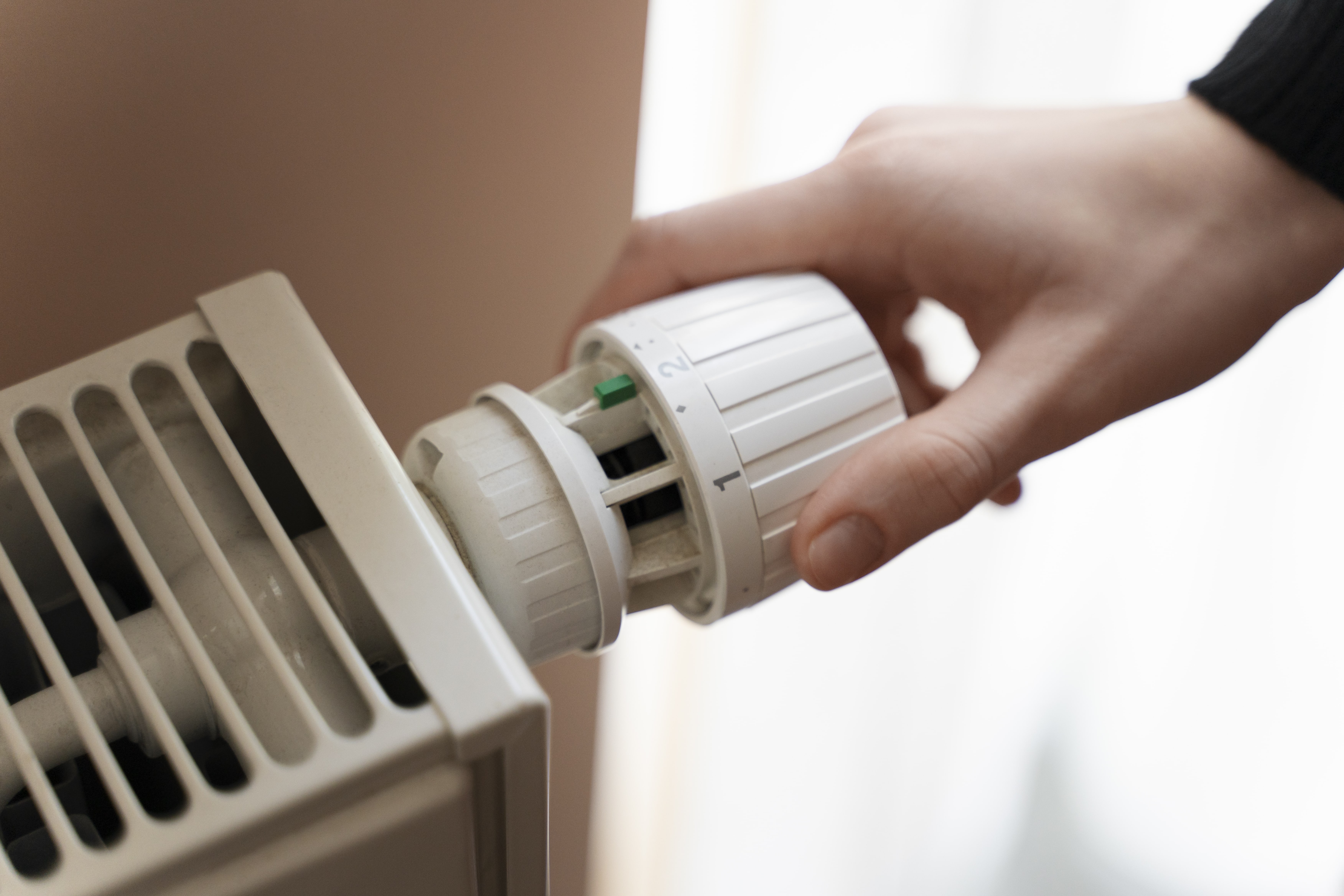
Thermostat Installation in San Carlos, CA
Upgrading or replacing a thermostat is one of the most cost effective ways to improve comfort and reduce energy use in San Carlos homes. Whether you are dealing with inaccurate temperature readings, frequent HVAC cycling, or an older non-programmable thermostat that wastes energy, professional thermostat installation ensures the new device matches your system and works reliably with local climate patterns and energy costs.
Why professional thermostat installation matters in San Carlos, CA
San Carlos has a mild, Mediterranean climate with cool, often foggy mornings and warm afternoons. That microclimate can create rapid temperature swings inside homes, making correct thermostat placement, calibration, and control strategy important. Professional installation reduces common problems such as:
- Poorly matched controls that cause short cycling or inefficient operation
- Missing C-wire or incorrect wiring for smart thermostats
- Improper thermostat location that reads heat from sunlight or drafts
- Incorrect setup for multi-stage systems or heat pumps common in Bay Area homes
A trained technician evaluates system compatibility, wiring, and placement so your thermostat delivers consistent comfort and real energy savings.
Types of thermostats and what fits San Carlos homes
We explain the options and which tends to work best locally.
- Non-programmable thermostats
- Simple, user operated, best for renters or where schedules change frequently.
- Low cost but limited energy savings.
- Programmable thermostats
- Can store schedules for weekday and weekend temperature setbacks.
- Good for homeowners who follow predictable daily routines.
- Smart thermostats
- Wi Fi enabled, learn usage patterns, allow remote control and utility integration.
- Ideal where internet connectivity is stable and owners want granular control and energy reporting.
- Require a C-wire for reliable power in many installations; battery options exist but can be unreliable.
- Heat pump compatible thermostats
- Necessary for homes with heat pumps to manage reversing valves and staging.
- California uptake of heat pumps means compatibility checks are common during installation.
System compatibility assessment (what the technician checks)
Before installation we confirm your thermostat choice will work with your existing equipment and home conditions:
- Identify HVAC type: single stage, multi stage, heat pump, package unit, dual fuel
- Inspect the thermostat wiring bundle for required control wires including C-wire
- Test voltage on control terminals and inspect transformer condition
- Evaluate thermostat mounting location for drafts, direct sun, interior heat sources, and signal reach for wireless models
- Check for older systems or uncommon wiring like millivolt or proprietary controls that need adaptors
This assessment prevents common failures and ensures the thermostat communicates correctly with your heating and cooling equipment.
Professional wiring and mounting process
A professional installation includes methodical steps to protect your HVAC system and ensure longevity:
- Power down the system and verify circuits are deenergized
- Label and test each wire, documenting functions before disconnecting the old thermostat
- Install any required adapters or a C-wire power extender if the home lacks a dedicated C-wire
- Mount the thermostat on a level surface using proper anchors and a backplate to cover existing wall marks
- Reconnect wiring, power system back up, and check for correct system response on heat and cool calls
Technicians also advise on optimizing thermostat location for San Carlos homes where morning fog or afternoon sun can skew readings.
Basic programming and homeowner walkthrough
After installation you receive a clear, plain language walkthrough covering:
- How to set schedules for weekday and weekend setbacks
- Using energy-saving features like vacation mode or geofencing
- How to switch between heat pump and auxiliary heat modes if applicable
- Interpreting system alerts and energy reports for smart thermostats
- Best practices for seasonal adjustments to match local temperature patterns
The goal is to leave you confident operating the thermostat and understanding how settings affect comfort and energy use.
Benefits: comfort, control, and energy savings
Proper thermostat installation delivers measurable benefits for San Carlos households:
- More consistent indoor temperatures and fewer hot or cold spots
- Reduced run times and lower utility costs through setback scheduling
- Better performance for heat pumps and multi-stage systems
- Remote access and energy reporting with smart thermostats for active monitoring
- Potential energy savings depending on usage patterns, thermostat type, and home efficiency
Typical energy savings from programmable or smart thermostats vary but many homeowners see noticeable reductions in heating and cooling use when schedules and setbacks are applied consistently.
Common troubleshooting steps
If you experience issues after installation, try these basic checks before calling a technician:
- Verify the thermostat display is powered and batteries are fresh if applicable
- Confirm the system breaker and HVAC power switch are on
- Check that the thermostat is set to the correct mode (heat, cool, auto)
- For Wi Fi models, ensure your home network is functioning and password is correct
- Look for error codes or alerts and consult the thermostat guide for meaning
If wiring, system response, or error codes persist, a professional diagnostic is recommended to avoid potential HVAC damage.
Warranty and documentation
New thermostats typically include a manufacturer warranty for defects, often ranging from one to several years depending on the brand. Professional installation often carries a separate labor warranty that covers installation workmanship for a defined period. Keep these documents and any wiring diagrams provided at installation for future service and warranty claims.
Recommended maintenance and seasonal tips
To keep your thermostat and HVAC system performing well in San Carlos:
- Replace thermostat batteries annually or when low battery warnings appear
- Check and update programmed schedules at seasonal changes
- Inspect thermostat location for new heat sources such as lamps or electronics
- Schedule HVAC system tune ups before summer cooling and before winter heating to ensure system responsiveness
- For smart thermostats, keep firmware updated and review energy reports periodically
A properly installed and maintained thermostat is central to comfort, longevity of HVAC equipment, and effective energy management in San Carlos homes.
hear what our satisfied clients have to say

.svg)
Service areas
.avif)