

Smart Thermostat Installation in Los Altos Hills, CA
A professional guide to Smart Thermostat Installation in Los Altos Hills, CA, details how upgrading to a modern thermostat enhances comfort, energy efficiency, and control across multi-system homes. It covers compatibility checks for heat pumps, furnaces, AC, and zoning, along with on-site wiring assessment and secure Wi-Fi setup. The guide explains integration with smart home platforms, remote access setup, and energy reporting. It also highlights local rebates, project scope, and post-installation support to ensure reliable performance and long-term efficiency.
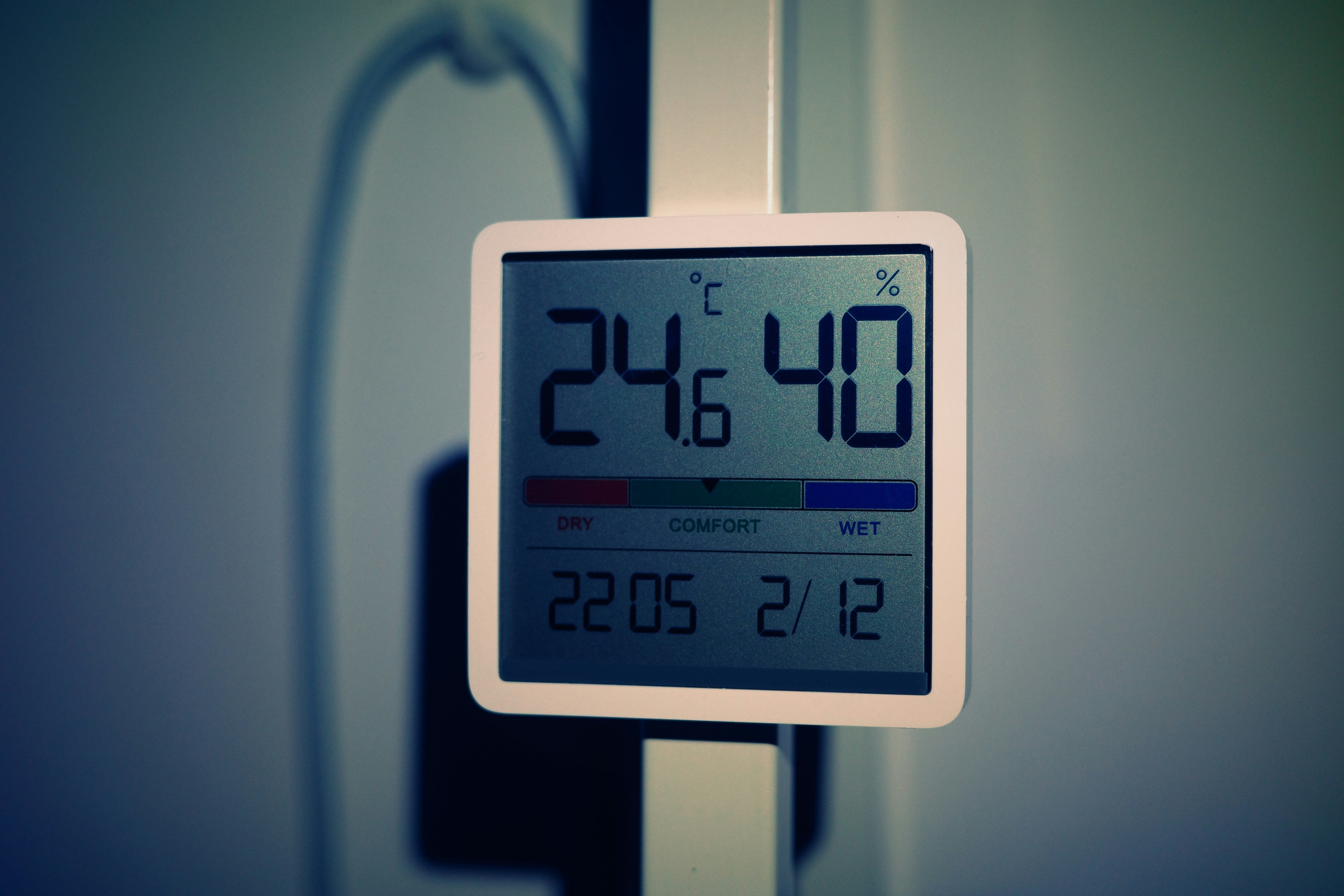
Smart Thermostat Installation in Los Altos Hills, CA
Smart thermostat installation in Los Altos Hills, CA offers immediate comfort improvements, measurable energy savings, and easier control of multi-system HVAC setups common in hillside homes. Whether you have a heat pump, a furnace, central air, or a combination of systems, a professionally installed smart thermostat adapts to local microclimates, remote work schedules, and seasonal temperature swings — giving you better comfort and lower bills without the guesswork.
Why upgrade to a smart thermostat in Los Altos Hills
Los Altos Hills experiences warm, dry summers, cool evenings, and significant temperature variation across neighborhoods because of elevation and tree cover. A smart thermostat helps manage those swings by:
- Learning schedules and adjusting setpoints automatically for daytime heat and cool nights.
- Providing remote control so you can start cooling before you arrive or reduce heating during daytime absence.
- Generating energy reports that show where you can save, useful during occasional heat waves when AC demand spikes.
- Enabling geofencing and occupancy sensing to avoid conditioning empty rooms in sprawling, multi-level homes.
Common smart thermostat issues in Los Altos Hills homes
Understanding typical local challenges helps set realistic expectations and ensures a smooth install:
- Intermittent Wi‑Fi on large lots or through thick walls and trees — may require mesh Wi‑Fi or a dedicated extender.
- Older HVAC wiring missing a common (C) wire — many smart thermostats need steady power; installers will check and offer adapters or power modules.
- Multi-zone or hydronic systems and legacy furnaces — some control systems need special compatibility checks or additional control boards.
- Ductless mini‑split and heat pump variants — require thermostats rated for heat pump control or retained factory remotes in tandem.
- Thermostat placement affected by sun exposure and breezes on hill-facing walls — improper placement skews temperature readings.
Compatibility assessment: heat pumps, furnaces and AC
A professional compatibility check is the first step in installation:
- Inspect the HVAC equipment and control wiring at the furnace/air handler or outdoor unit.
- Verify presence of a C wire or determine if a C‑wire adapter or power extender is required.
- Confirm thermostat compatibility with heat pumps (including multi-stage and auxiliary heat), 24V furnaces, conventional AC, and ductless systems.
- Evaluate multi-zone control: a single smart thermostat may not be appropriate for zoning systems without compatible zone controllers.
- Check for compatibility with variable-speed equipment and communicating systems; some proprietary HVAC controls require specific thermostats.
Professional installation and Wi‑Fi/network setup
A professional install in Los Altos Hills typically follows these steps:
- On-site diagnostic and wiring assessment, including photos of the current thermostat and control board.
- Selection of the appropriate smart thermostat model based on system compatibility and homeowner preferences (learning features, platform integration, sensors).
- Installation: mount thermostat, connect wiring (C wire or adapter), and verify control of heat, cool, fan, and auxiliary stages.
- Configure Wi‑Fi: connect the thermostat to your secure home network; recommend mesh or extenders for large properties experiencing dead zones.
- Secure setup: advise on using strong Wi‑Fi passwords and enabling any device-level security features and account protections.
- Integration with smart home platforms (see next section) and verification of remote access.
Smart home integration and features demonstration
Installers will integrate and demonstrate features so homeowners are confident using the system:
- Remote control via phone app: show how to change setpoints, create temporary holds, and see current indoor/outdoor temps.
- Learning schedules and automation: explain how learning thermostats adapt, or how to create schedules manually if preferred.
- Voice control & platforms: connect and demonstrate integration with Alexa, Google Assistant, and Apple HomeKit where supported.
- Sensors and zoning: show how additional temperature or occupancy sensors are installed and configured to optimize comfort across levels.
- Energy reports and usage history: walk through the energy dashboard so homeowners understand peak usage times and opportunities to save.
Rebate and utility incentive guidance for Los Altos Hills residents
Local utility rebates and state incentives often offset part of the cost. Professional installation services typically include guidance on:
- Identifying eligible programs from PG&E and regional Bay Area efficiency incentives.
- Documenting required paperwork: model numbers, proof of professional installation, and receipts for equipment.
- Submitting rebate applications correctly and noting common requirements, such as pre-approval for certain programs or specific qualifying models.
- Advising on time-limited promotions and linking thermostat upgrades to broader HVAC efficiency projects for higher rebate tiers.
Ongoing support and maintenance
A reliable installation includes post-installation support:
- Firmware updates and connectivity troubleshooting to keep your thermostat functioning securely.
- Seasonal check-ins to recalibrate schedules and settings for summer cooldowns and winter heating.
- Troubleshooting common issues: reconnecting to network after an ISP change, resolving sensor drift, and diagnosing control signals to the HVAC system.
- Guidance on warranty registration and handling product-specific support if hardware issues arise.
What homeowners should expect after installation
After a professional smart thermostat installation in Los Altos Hills:
- Immediate control from your phone and voice assistants, with learning or custom schedules reducing manual adjustments.
- Clear energy usage reports to guide behavior changes that lower utility bills during hot spells.
- Improved comfort across multiple rooms with optional sensors and smarter zoning strategies.
- A more resilient system for remote management when you travel or work away from home, particularly useful in this region’s variable microclimates.
Maintenance tips to maximize performance
To keep a smart thermostat delivering value over time:
- Keep Wi‑Fi equipment updated and consider mesh networking for large, wooded lots.
- Replace batteries on battery-powered thermostats and sensors annually if applicable.
- Avoid mounting thermostats in direct sun or near drafty windows and doors.
- Revisit schedules after seasonal transitions and household routine changes.
- Keep a record of thermostat model number, installation date, and installer notes for rebate and warranty purposes.
Smart thermostat installation in Los Altos Hills, CA is more than swapping hardware; it’s a tailored upgrade that accounts for local climate patterns, varied home layouts, and modern smart home ecosystems. A thorough compatibility check, proper wiring and network setup, and a clear demonstration of features ensure your home stays comfortable and energy efficient year round.
hear what our satisfied clients have to say

.svg)
Service areas
.avif)