Ductwork Installation in Los Altos Hills, CA
New ductwork installation in Los Altos Hills, CA is presented as a complete process from load calculations to system design and final testing. It explains why proper duct design and insulation matter for uneven hillside layouts, comfort, and energy efficiency, and highlights materials such as sheet metal, ductboard, and flexible duct. It covers professional installation steps, air sealing, leak and pressure testing, coordination with HVAC equipment and zoning, timelines, warranties, and ongoing maintenance for reliable performance.
Ductwork Installation in Los Altos Hills, CA
Upgrading or installing new ductwork in Los Altos Hills, CA ensures your home’s heating and cooling system performs efficiently, quietly, and reliably. Properly designed and installed ducts balance comfort across multi-level and sprawling hilltop homes, reduce energy waste, and prevent moisture and indoor air quality problems common to Bay Area climates. This page explains the full new ductwork process—load calculations and system design, material and insulation options, professional installation steps, air sealing and testing, coordination with HVAC equipment and zoning, expected timelines, and warranty and quality assurances—so you can evaluate solutions that match your Los Altos Hills home.
Why new ductwork matters in Los Altos Hills
Los Altos Hills homes often have large footprints, vaulted ceilings, and attic or crawl space systems that span elevation changes. That layout can create uneven temperatures, long duct runs, and higher pressure losses. Local climate factors—mild but sometimes humid coastal mornings, warm summer afternoons, and occasional winter temperature swings—make properly insulated and sealed ducts essential to avoid condensation, maintain efficiency, and protect indoor comfort. California energy rules and Title 24-driven efficiency expectations also make correct design and installation a priority for long-term performance and lower utility costs.
Common ductwork issues in Los Altos Hills homes
- Uneven heating or cooling between rooms and levels, especially in hillside or multistory layouts
- High energy use due to leaks, undersized runs, or poor insulation
- Moisture and condensation in ducts located in unconditioned attics or crawl spaces
- Noisy airflow or vibration from poorly supported duct runs
- Compatibility problems when replacing equipment without redesigning the duct system
New ductwork services and system design
A proper new ductwork job begins with accurate load calculations and system design tailored to your home:
- Manual J load calculation to size heating and cooling equipment based on home orientation, insulation levels, window types, occupancy, and California climate factors.
- Duct design (Manual D) to determine trunk size, branch runs, fittings, and register placement for balanced airflow throughout irregular floorplans and long runs common in Los Altos Hills homes.
- Considerations for attic, crawl space, or conditioned-space ducts to minimize thermal loss and condensation risk.
This upfront engineering prevents oversized or undersized ducts, reduces noise, and ensures even comfort with the new HVAC equipment.
Materials and insulation options
Material and insulation choices affect durability, efficiency, and indoor air quality:
- Sheet metal (galvanized or aluminized steel) for main trunk runs: durable, low leakage when properly sealed, and well suited for high-pressure systems.
- Fiberglass-lined ductboard for quieter installations and thermal resistance in tight spaces; requires careful sealing to prevent fiber exposure.
- Flexible duct for short branch runs and final connections; use only where bends and space constraints demand it and avoid long flexible runs.
- Insulation levels: select materials and R-values appropriate for attic or crawl space locations to prevent heat gain/loss and condensation. In coastal-moderate climates, proper vapor control and insulation reduce morning moisture buildup.
Professional installation steps
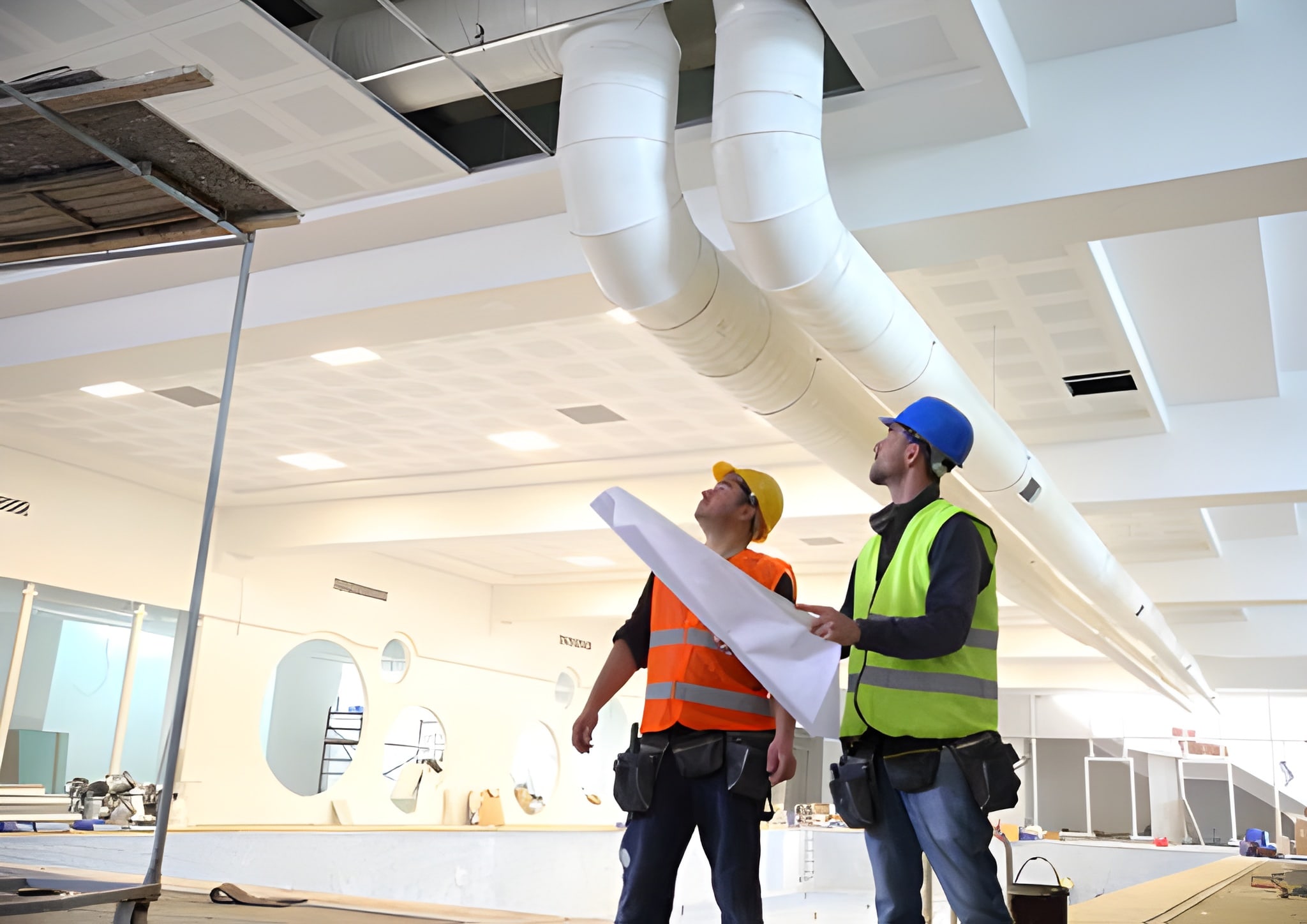
A typical professional installation follows clear steps to ensure code compliance and long-term performance:
- Site assessment and measurements, including attic and crawl space inspection.
- Finalized system design and material selection based on load calculations.
- Fabrication and layout of trunks, branches, and plenum assemblies.
- Secure mounting, support, and vibration isolation—especially important for hillside homes with varied framing.
- Connection to HVAC equipment with transition pieces sized to maintain system steady-state pressure.
- Insulation, vapor barrier installation where needed, and completion of register and grille placements.
- Air sealing, pressure testing, and balancing to verify performance.
Air sealing and testing (leak/pressure testing)
Air sealing and testing are essential steps that validate installation quality:
- Duct leakage testing quantifies total system leakage and identifies problem areas. Los Altos Hills homes benefit from reduced attic-to-conditioned-space leakage to preserve indoor comfort and energy efficiency.
- Pressure testing confirms the system maintains the expected static pressure under operation, preventing excessive blower work and noise.
- Post-installation air balancing ensures each room receives proper airflow per the design.
All seams, joints, and register boots are sealed with industry-appropriate methods to minimize leaks and meet local efficiency expectations.
Coordination with new HVAC equipment and zoning
New ductwork must align with the HVAC equipment and any zoning strategy:
- Duct size and system pressure are matched to furnace or air handler specifications to maintain efficiency and longevity.
- When incorporating zoning systems, ducts and dampers are planned to provide independent temperature control across wings, levels, or sun-exposed rooms common in Los Altos Hills residences.
- Installations consider future equipment access and serviceability, minimizing disruption during maintenance.
Project timelines
Project duration depends on home size, access, and complexity:
- Small, single-level homes often require a shorter timeframe for full replacement.
- Larger, multi-level, or custom homes with long trunk runs and attic routing typically require more time for careful layout, fabrication, and testing.
- Weather, permit needs, and coordination with other trades (insulation, drywall, or roofing) influence scheduling.
A clear timeline is established during the planning phase so work proceeds efficiently and with minimal disruption to the household.
Warranty, quality assurance, and compliance
Quality installation includes documented assurances:
- Material warranties and workmanship guarantees provide protection against premature failure.
- Compliance with California building codes, local permit requirements, and industry standards ensures the installation meets safety and efficiency benchmarks.
- Professional installers use validated testing (leak and pressure test results, airflow measurements) as part of final acceptance to demonstrate system performance.
Benefits and routine maintenance
Well-designed, installed, and sealed ductwork delivers:
- More consistent comfort throughout the home, lower heating and cooling costs, and quieter operation.
- Reduced risk of moisture problems and improved indoor air quality.
- Simpler integration with high-efficiency equipment and zoning controls.
Routine maintenance keeps systems performing: periodic filter changes, register cleaning, visual inspections of accessible ducts for damage or disconnection, and periodic re-testing after major changes to the home.
Installing new ductwork in Los Altos Hills, CA is an investment in comfort, efficiency, and home value. Proper load calculations, thoughtful material choices, meticulous installation, and verified testing deliver a system that performs reliably in the local climate and terrain while meeting California efficiency expectations.
hear what our satisfied clients have to say

.svg)
Service areas
.avif)