
Ductwork Repair in Emmerald Hills, CA
Ductwork repair in Emmerald Hills, CA is described, outlining common issues, diagnostic steps, and repair methods. Leaky joints, duct leakage, corrosion, and uneven airflow can waste energy and create hot or cold spots. A methodical process includes visual inspection, airflow and pressure testing, and targeted sealing, patching, or replacement. Benefits include lower energy use, more consistent temperatures, improved indoor air quality, and longer equipment life. Turnaround varies from a few hours for sealing to multiple days for full replacements.
Ductwork Repair in Emmerald Hills, CA
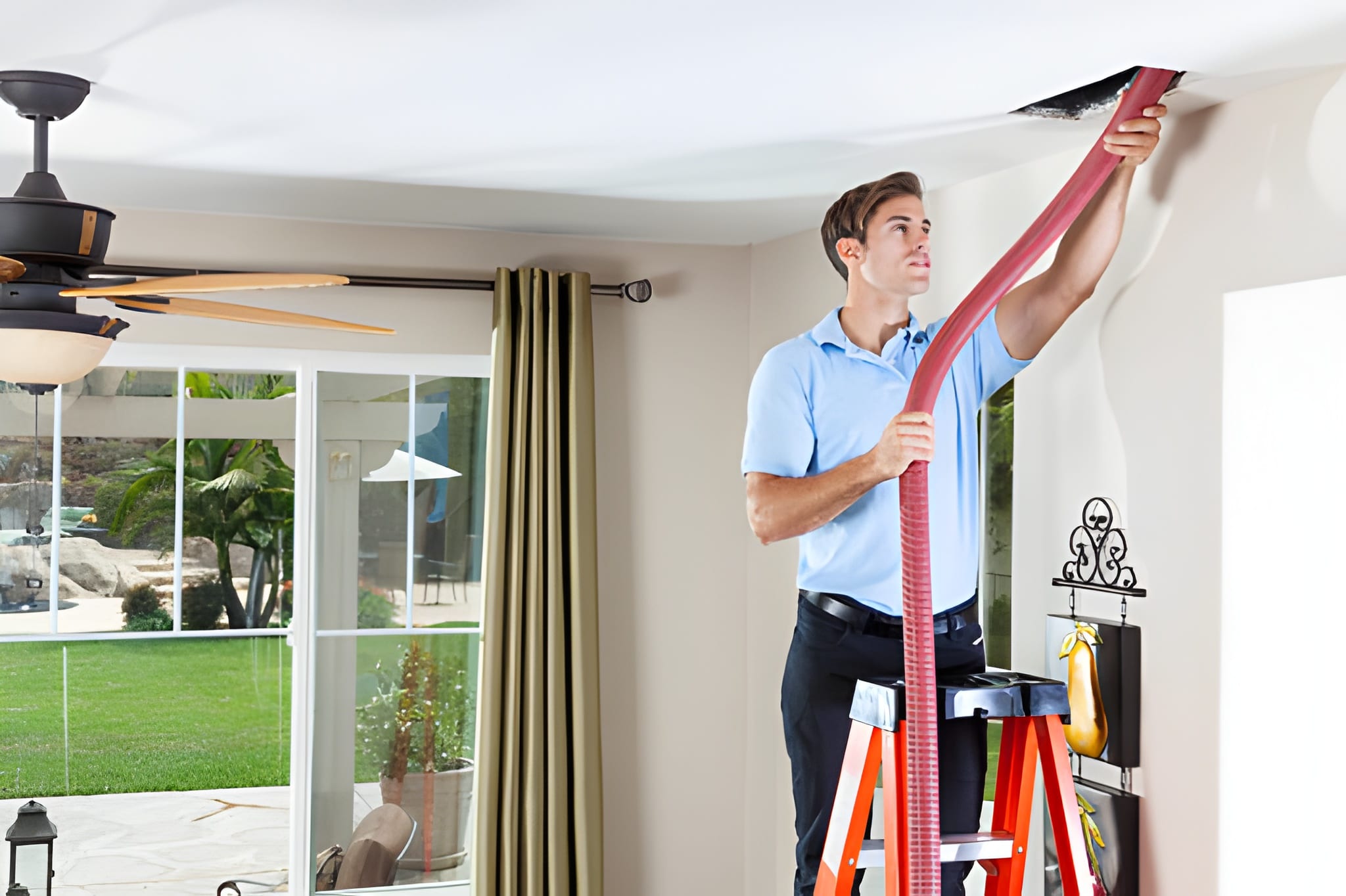
Ductwork repair in Emmerald Hills, CA is a key step toward improving comfort, lowering energy bills, and extending the life of your HVAC system. Homes in Emmerald Hills often face unique challenges — increased AC use during warm inland days, attic heat gain on sun-exposed roofs, and coastal moisture or salt air exposure in some neighborhoods. These factors accelerate duct deterioration, cause leaks, and reduce system efficiency. If your rooms are unevenly heated or cooled, your energy bills are higher than expected, or you notice drafts and dust, targeted duct repair can resolve the root causes.
Common ductwork repair issues in Emmerald Hills homes
- Leaky duct connections and joints: Flexible ducts or metal seams that were poorly sealed or have come loose allow conditioned air to escape into attics, crawlspaces, or wall cavities.
- Ripped or collapsed flexible ducting: Aging or improperly supported flex ducts can sag, kink, or tear, restricting airflow.
- Deteriorated insulation: In uninsulated or poorly insulated attic ducts, heat gain in summer and heat loss in winter reduce system effectiveness.
- Disconnected or crushed sections: During renovations or in tight spaces, ducts can become pinched, disconnected, or damaged.
- Corrosion or rust on metal ducts: Coastal humidity and salt exposure can accelerate corrosion in exposed metal ductwork.
- Poor pressure balance and uneven airflow: Undersized returns, blocked vents, or improper damper settings produce hot and cold spots.
- Punctures and pest damage: Rodents and pests can chew through duct insulation or small sections, creating leaks and contamination pathways.
How duct problems are diagnosed
A reliable diagnostic approach pinpoints problems without unnecessary work. Typical diagnostic steps include:
- Visual inspection of accessible duct runs, boots, and returns in attics, crawlspaces, basements, and utility closets.
- Airflow measurements at registers and returns to identify low-flow zones and imbalances.
- Pressure testing and duct leakage testing using a duct blaster or smoke pens to locate leaks and quantify leakage percentage.
- Infrared scanning to spot thermal anomalies along duct runs and identify poorly insulated sections.
- Static pressure testing at the air handler to determine if the system is overworked or restricted.
- System performance review, including filter condition, blower operation, and thermostat settings to eliminate non-duct causes.
Diagnostics clarify whether simple sealing will suffice or whether sectional replacement, re-insulation, or redesign is needed.
Repair methods and what to expect
Ductwork repair choices are determined by the extent of damage, duct type, and access. Common repair methods include:
- Leak detection and sealing: All visible seams, boots, and connections are sealed with code-approved materials such as mastic sealant or UL 181-rated tapes. Proper sealing reduces leakage more effectively than standard duct tape.
- Patching damaged sections: Small tears or holes in sheet metal or flex duct are patched using metal patches, clamps, and sealant to restore integrity.
- Section replacement: Severely deteriorated flexible ducts or corroded metal runs are removed and replaced with appropriately sized, insulated ducts.
- Re-insulation: Ducts exposed to attic heat are re-insulated with the correct insulation type and thickness to reduce heat gain/loss and prevent condensation issues.
- Airflow and pressure balancing: Dampers are adjusted, registers reoriented, or return pathways improved. In some cases, adding returns or resizing supply runs is recommended to achieve balanced home comfort.
- Access and safety work: Adding access panels or protective covers in high-traffic areas prevents future damage; protecting ducts from rodents and sealing entry points limits recurrence.
Expected turnaround times vary by scope. Simple sealing and patching jobs can often be completed in a few hours. Partial replacements or re-insulation of attic runs typically require a day. Whole-home duct replacement or significant redesign may take multiple days. Costs depend on home size, accessibility, materials, and the amount of duct replaced. Typical cost drivers include the number of leaks, length of ductwork involved, need for new insulation, and whether the system requires balancing or added returns.
Energy savings, comfort, and health benefits
Repairing ductwork yields measurable benefits:
- Lower energy use: Sealing leaks and improving insulation reduces the amount of conditioned air lost to non-living spaces, letting your HVAC reach setpoints with less runtime.
- More consistent temperatures: Properly balanced ducts deliver even supply across rooms, eliminating hot and cold spots.
- Improved indoor air quality: Sealed ducts reduce the entry of attic dust, pollen, and contaminants into living spaces and minimize mold-prone moisture intrusion.
- Reduced HVAC wear: When the system does not have to compensate for leaks or poor airflow, blower motors and compressors operate under less strain, prolonging equipment life.
- Better humidity control: With reduced duct leakage and properly insulated runs, your system can control humidity more effectively — an important factor during coastal marine layers or humid spells.
Maintenance tips to prevent future duct problems
- Schedule periodic inspections every 3 to 5 years or after major renovations to catch issues early.
- Keep ducts accessible and protected: Avoid storing items in attics directly on duct runs and add protective routing or covers where foot traffic is possible.
- Change filters regularly to reduce dust load and wear on the blower.
- Monitor attic ventilation and insulation: Adequate attic insulation and ventilation reduce temperature extremes that stress duct insulation.
- Pest-proof entry points to prevent rodent and insect damage.
- Address moisture quickly: Condensation or leaks around HVAC equipment or roof penetrations should be repaired promptly to prevent mold growth inside ducts.
- Use code-approved materials for any DIY fixes; avoid standard duct tape for sealing — it fails over time.
Ductwork repair in Emmerald Hills homes restores comfort and efficiency that pays back through lower operating costs and more reliable HVAC performance. A methodical diagnostic process followed by targeted sealing, patching, re-insulation, or partial replacement yields the best long-term results for local homes facing warm summers, attic heat, and coastal moisture factors.
hear what our satisfied clients have to say

.svg)
Service areas
.avif)