Ductwork Installation in Cupertino, CA
Our Cupertino ductwork installation services enhance comfort, air quality, and efficiency by ensuring properly sized and sealed ducts for new systems or retrofits. We handle full project scopes, including load calculations (Manual J), duct sizing (Manual D), material selection, insulation, sealing, and zoning integration. Services cover installation steps, permitting, testing, timelines, warranties, and maintenance guidance—helping homeowners maintain energy-efficient, reliable HVAC performance year-round.
Ductwork Installation in Cupertino, CA
Upgrading or installing ductwork is one of the most impactful ways to improve comfort, indoor air quality, and efficiency in Cupertino homes. Whether you are replacing aging ducts, adding capacity for a new heat pump, or retrofitting ducts during a remodel, professional ductwork installation ensures balanced airflow, lower energy bills, and better protection against seasonal temperature swings and wildfire smoke. This page explains what full-service ductwork installation in Cupertino, CA involves, common local concerns, and what you should expect from design through testing and warranty.
Why proper ductwork matters in Cupertino homes
- Cupertino’s Mediterranean climate means attics can get very hot in summer and cool in winter. Poorly designed or leaky ducts waste conditioned air and increase run-time for HVAC equipment.
- Many local homes are older or have been renovated to add rooms, requiring expanded or reconfigured duct systems.
- Bay Area homeowners increasingly install high-efficiency heat pumps and zoning controls; these systems require correctly sized and balanced ductwork to perform as intended.
- Wildfire seasons and regional air quality events make sealed ducts and proper filtration more important for indoor air quality.
Common ductwork installation projects and issues in Cupertino
- New duct systems for single-family homes or additions
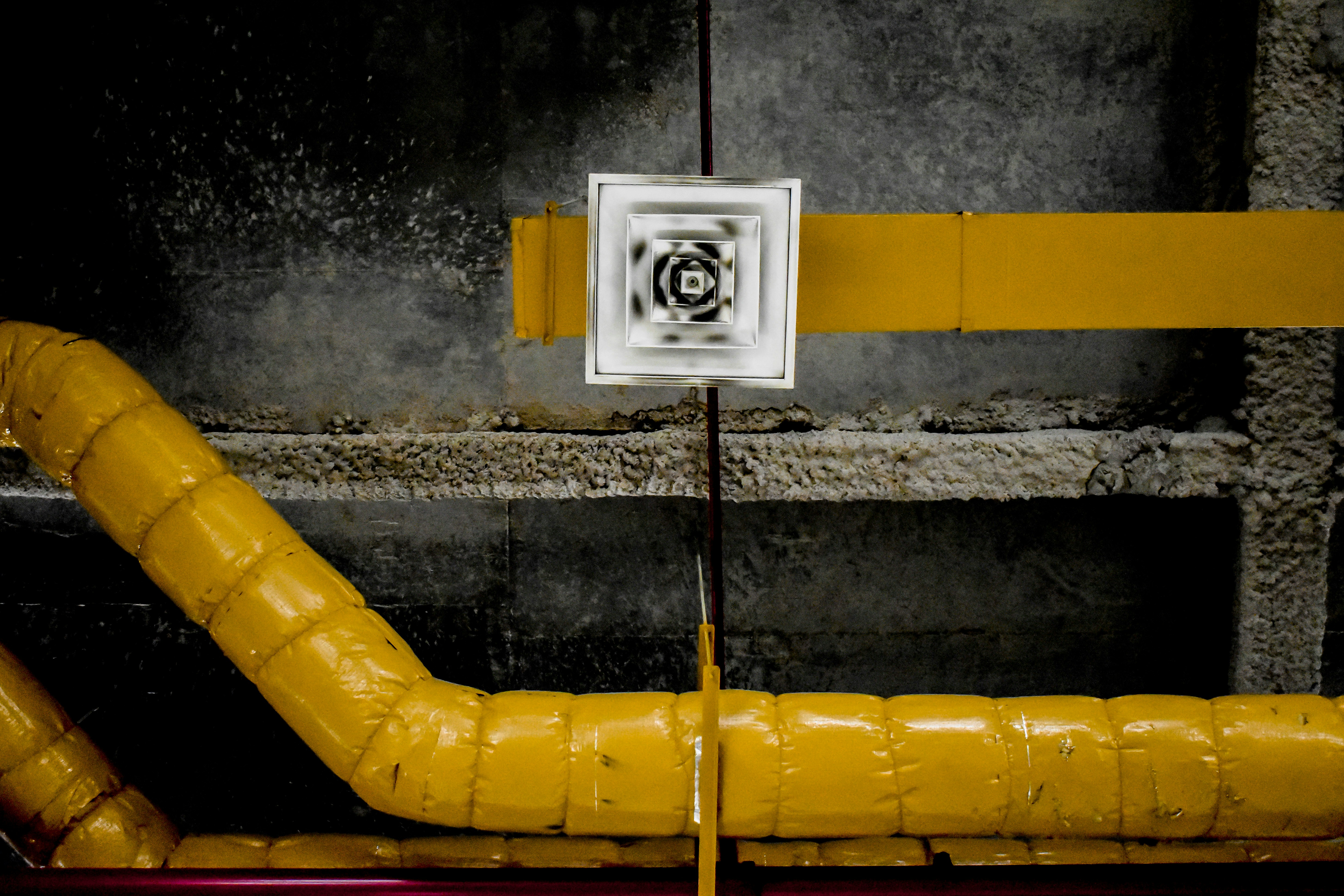
- Replacing failing sheet metal or damaged flexible ducts
- Upsizing ducts for upgraded HVAC equipment or heat pumps
- Rerouting ducts during remodels to serve new rooms
- Sealing and insulating ducts in attics, crawlspaces, or garages
- Adding zoning dampers and multiple thermostats for improved comfort
- Addressing uneven airflow, high static pressure, or noisy ducts
Design and load calculations: the foundation of a reliable system
Proper installation begins with accurate sizing and layout:
- Heat load calculations: A room-by-room heat load (Manual J style) determines how much heating and cooling capacity each space needs. This prevents oversized or undersized systems.
- Duct design (Manual D principles): Once loads are known, duct sizing and routing are planned to deliver the calculated airflow with minimal pressure loss.
- Material selection: Designers weigh tradeoffs between sheet metal and flex duct based on layout, accessibility, durability, and cost.
Material options: sheet metal vs flex (pros and cons)
- Sheet metal ductwork
- Pros: durable, low air leakage, better performance for long runs and high static pressure systems.
- Cons: heavier, requires more labor to fabricate and install in tight spaces.
- Flexible duct
- Pros: easier to route through finished spaces, lower material cost, quicker install for branch runs.
- Cons: higher potential for sagging, kinks, and air leakage if not properly supported and stretched; best used for short runs and final connections.
- Hybrid systems often use metal trunks with flex branches for a balanced approach.
Insulation and sealing best practices
- Sealing: All joints, seams, and connections should be sealed with approved mastic or UL 181-rated tapes. Proper sealing reduces energy loss and prevents infiltration of dust and smoke.
- Insulation: Ducts in unconditioned spaces (attics, crawlspaces) should be insulated to reduce heat gain and loss. In California, commonly used insulation levels for ducts are R-6 to R-8 depending on exposure and routing.
- Support and routing: Avoid long unsupported runs and sharp bends that restrict airflow. Use proper hangers and maintain recommended clearances from heat sources.
Zoning integration and coordination with HVAC components
- Zoning systems use motorized dampers and multiple thermostats to direct airflow only where it is needed. Proper integration requires ductwork zoning during the design phase so each zone has adequate capacity.
- Coordination with equipment: Duct sizing and layout must match the selected furnace, air handler, or heat pump specifications. High-efficiency equipment often has tighter static pressure tolerances and benefits from low-leakage duct systems.
- Filtration and IAQ: When smoke or pollution is a concern, ducts should be compatible with higher-MERV filters and, if desired, ERV/HRV or standalone filtration components.
Typical installation steps and timeline
- On-site assessment and measurements, including existing system inspection and access evaluation
- Load calculations and duct system design, material selection, and preliminary layout
- Permit preparation and submission when required by local building departments
- Preparation: attic access, crawlspace clearance, and HVAC equipment alignment
- Duct fabrication and installation: trunk runs, branch connections, and support
- Sealing and insulating accessible ducts
- Integration of zoning dampers, thermostats, and filters
- Post-installation testing: airflow balancing, static pressure checks, and leakage testing when applicable
- Final inspection and handover documentation, including warranty details
Project timelines vary by scope: a straightforward replacement or small addition can often be completed in a few days, while full-system installs or complex zoning retrofits can take multiple weeks when permitting and inspections are included.
Code compliance, permitting, and inspections in Cupertino
- Ductwork installations must comply with California building codes and local Cupertino or Santa Clara County permitting rules. Proper permits and inspections ensure safety, energy code compliance, and that insulation and sealing standards are met.
- Accurate documentation of load calculations and plans facilitates smoother permit approval and final inspection.
Post-installation testing, balancing, and warranty
- Airflow balancing: Technicians measure airflow to each register, adjusting dampers and sometimes reconfiguring ducts to deliver the calculated CFM to each room. Balanced airflow improves comfort and equipment efficiency.
- Testing: Common tests include static pressure measurements and duct leakage testing. Results are compared to design targets to validate performance.
- Warranties: Reliable installations are backed by manufacturer warranties on components and workmanship coverage. Warranty terms vary; written warranty details should be provided with the final documentation.
Pricing and estimate process
- Accurate estimates begin with an on-site evaluation and load calculations. Scope factors that affect price include the size of the home, accessibility, whether trunk replacement is required, materials chosen (sheet metal vs flex), zoning complexity, and permit fees.
- A professional estimate will outline the scope of work, materials, installation sequence, applicable code compliance tasks, and testing procedures so you can compare options transparently.
Maintenance advice and long-term benefits
- Keep return and supply registers clear of obstructions and replace HVAC filters per manufacturer guidance to maintain system airflow and indoor air quality.
- Periodic duct inspections every few years help catch leaks, disconnected runs, or insulation issues before they reduce efficiency.
- Well-designed, sealed, and insulated ducts reduce energy use, extend HVAC equipment life, improve comfort uniformity, and offer better protection against external pollutants — all particularly meaningful for Cupertino homeowners who prioritize efficiency and indoor air quality.
A full-service ductwork installation in Cupertino, CA tailored to local climate and home characteristics ensures your HVAC equipment performs reliably, efficiently, and quietly while meeting code and indoor air quality needs.
hear what our satisfied clients have to say

.svg)
Service areas
.avif)