

Heating Tune-up in Santa Clara, CA
For Santa Clara homeowners, a professional heating tune-up is key to a cozy, safe home. At Plum HVAC, we offer a comprehensive service that includes a detailed inspection, thorough cleaning, and precise adjustment of all safety-critical components. We cover everything from a full system inspection and crucial safety tests to checking airflow, assessing refrigerant and heat pump performance, and calibrating your thermostat. Afterward, we provide clear documentation of everything we did. You'll know exactly what to expect during our diagnostic process, how long it will take, and the best time to schedule your service before the cold weather hits. Our tune-ups deliver measurable benefits, address common issues, and are a vital part of your annual maintenance plan, helping to significantly extend your equipment's lifespan.
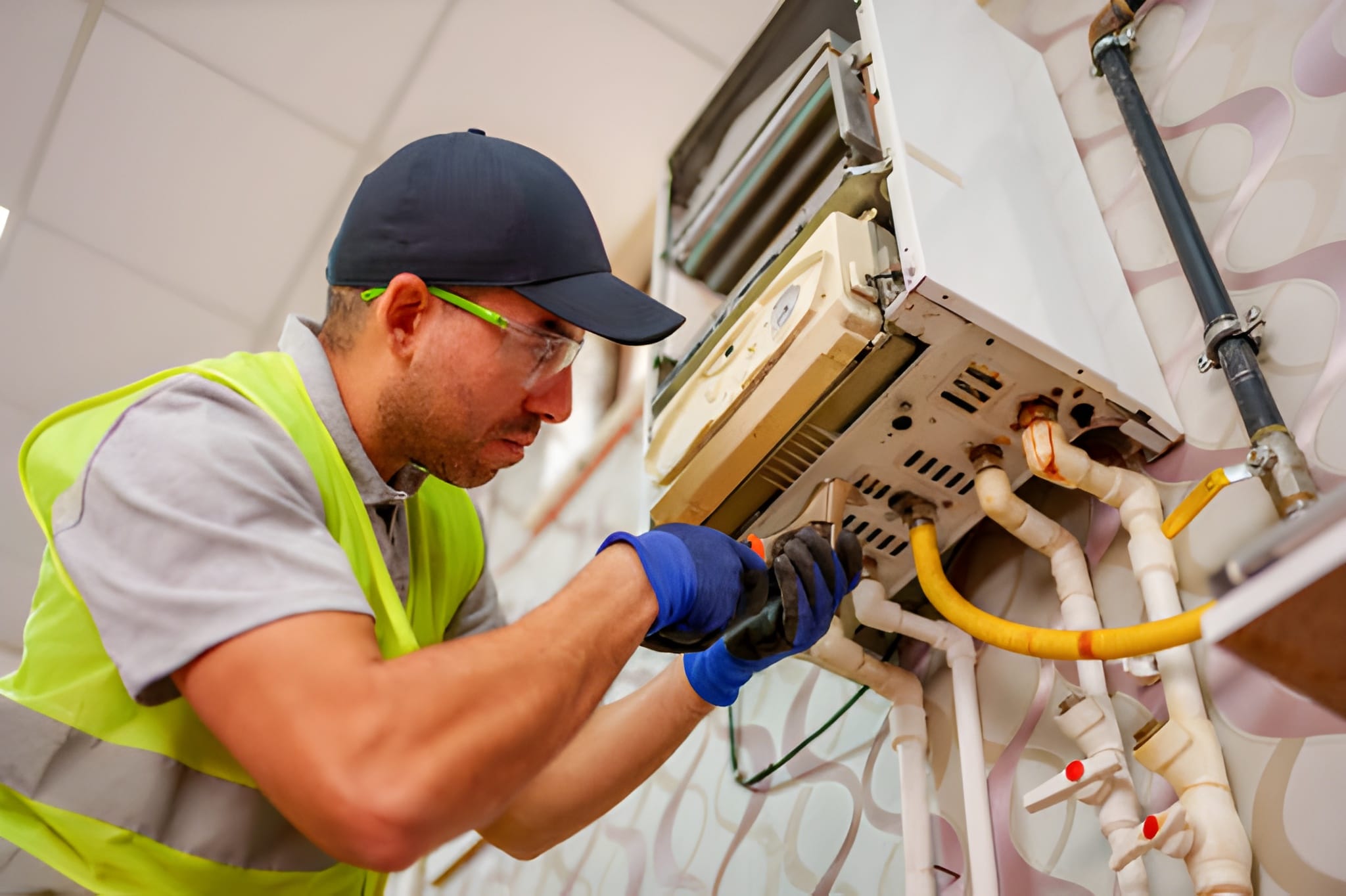
Heating Tune-up in Santa Clara, CA
Keeping your heating system tuned and tested before the cool months is one of the most cost-effective ways to improve comfort and avoid emergency repairs. In Santa Clara, CA, winters are mild but mornings and evenings can get chilly, and many homes run heating intermittently. That stop-start use, along with dry inland conditions and increasing adoption of heat pumps, makes a professional heating tune-up especially important for reliable, efficient performance when you need it.
What a heating tune-up covers (detailed checklist)
A full tune-up is a systematic inspection, cleaning, and adjustment of components that directly affect safety, efficiency, and comfort. Typical tasks include:
- System inspection
- Visual check of furnace or heat pump, cabinet, access panels, and visible ductwork.
- Verify proper system type and identify any signs of corrosion, leaks, or abnormal wear.
- Combustion and safety checks (gas furnaces, boilers)
- Check burner condition and flame pattern.
- Perform combustion analysis when required and test for safe venting.
- Carbon monoxide test at system and living space levels.
- Cleaning
- Remove dust and debris from burners, heat exchanger surfaces, blower compartment, and coils (on heat pumps).
- Clear condensate drains and pans to prevent overflow and microbial growth.
- Airflow and duct evaluation
- Measure airflow and inspect main ducts for disconnects, visible leaks, and heavy dust.
- Check and advise on filter size, type, and replacement frequency.
- Mechanical and electrical
- Inspect and tighten electrical connections.
- Test capacitors, relays, belts, and motor operation.
- Lubricate moving parts where applicable.
- Refrigerant and heat pump checks
- Check refrigerant charge and pressures for heat pumps or hybrid systems; inspect reversing valve operation.
- Thermostat and controls
- Calibrate thermostat and test control sequences, schedules, and sensors.
- Documentation
- Provide a written report of findings, recommended repairs or adjustments, and any parts that may require future replacement.
Diagnostic process: what to expect
A tune-up begins with a conversation about recent performance (strange noises, uneven heating, higher bills). The technician will run the system through a full operating cycle to observe start-up and shutdown behaviors, listen for abnormal sounds, and record key performance indicators like temperature rise and static pressure. Safety tests are run early to protect occupants, followed by cleaning, mechanical adjustments, and a final performance verification. The outcome is a clear list of completed tasks and any recommended repairs or upgrades.
Estimated duration
- Most single-system tune-ups take about 60 to 90 minutes from start to finish.
- Older systems, systems with heavy buildup, or homes with multiple heating zones or systems may require 2 hours or more.
- If additional diagnostics or repairs are needed beyond the tune-up scope, the technician will note those items separately.
Recommended timing for Santa Clara homes
- Schedule your tune-up in late fall (September to November) before sustained colder nights begin. This timing ensures your system is ready for the first extended use.
- For homes with heat pumps, an early fall check is also ideal because the same equipment will be used for cooling in summer; a combined spring and fall rhythm works well.
- If you live in a home with intermittent heating use, or if your system has given warning signs (strange odors, cycling, uneven rooms), don’t wait for winter—schedule sooner.
Measurable benefits of a professional tune-up
A properly executed tune-up delivers measurable gains that impact comfort, reliability, and operating cost:
- Improved efficiency: Cleaning and calibrating components commonly improves system efficiency. Typical savings can be noticeable on monthly bills when systems move from dirty or poorly adjusted to properly tuned.
- Consistent comfort: Correct airflow, calibrated thermostats, and balanced ducts reduce cold spots and short-cycling, resulting in steadier indoor temperatures.
- Lower risk of breakdowns: Early identification of failing components and wear reduces the likelihood of a mid-season catastrophic failure and emergency service needs.
- Longer equipment life: Routine maintenance reduces stress on motors, compressors, and burners and can extend useful system life by several years.
- Safety assurances: Combustion and carbon monoxide checks confirm safe operation of gas systems, an essential measurable safety outcome.
Common heating issues in Santa Clara and why tune-ups matter
- Intermittent use problems: Systems used sporadically can accumulate dust in combustion chambers or on coils, impairing performance when switched back on.
- Duct-related comfort loss: Many local homes have older or modified ductwork; small leaks and poor insulation waste conditioned air.
- Heat pump performance: As more homes use heat pumps for both heating and cooling, refrigerant checks, defrost controls, and outdoor coil cleaning become critical to maintain year-round efficiency.
- Indoor air quality: The region’s dry climate can mean more dust intrusion; during a tune-up, improved filtration and dust reduction measures help both comfort and system performance.
How tune-ups fit into a broader maintenance plan
- Annual cycle: A practical plan pairs a fall heating tune-up with a spring cooling tune-up for split systems or an annual combined check for heat pumps.
- Quarterly filter checks: Replace or inspect filters every 1 to 3 months depending on occupancy, pets, and indoor air needs.
- Documented maintenance history: Keep records of tune-ups and repairs to support resale value and help technicians diagnose future issues faster.
- Planned repairs and upgrades: Tune-ups reveal small issues early; scheduling needed repairs during the off-season often costs less and reduces downtime.
- Replacement timeline: Use tune-up findings to assess whether an older system is best repaired or replaced—routine service data makes lifecycle decisions more predictable.
ConclusionA professional heating tune-up in Santa Clara, CA prepares your home for cooler weather, enhances safety, and improves efficiency and comfort. Given local climate patterns and common home system types, an annual pre-winter tune-up—paired with routine filter care and duct attention—offers measurable benefits: more consistent indoor temperatures, reduced risk of unexpected failures, and longer system life. Regular tune-ups are the foundation of a proactive maintenance plan that keeps your system reliable when you need it most.
hear what our satisfied clients have to say

.svg)
Service areas
.avif)