Heating Replacement in Santa Clara, CA
Thinking about heating replacement in Santa Clara, CA? Plum HVAC offers a comprehensive, homeowner-focused process designed to make your upgrade easy. We cover everything from knowing when a replacement is truly needed to the detailed evaluation steps, including precise load calculations (Manual J) and careful assessment of ductwork and electrical needs for electric heat pumps. We'll help you compare high-efficiency gas furnaces with advanced air-source heat pumps, including hybrid systems and ductwork upgrades. Our team handles the removal and disposal of your old unit, manages permitting, and clearly explains timelines, pricing factors, available rebates, and warranties. With Plum HVAC, you get expert post-installation support, ensuring comfort, efficiency, safety, and compliance with all local codes. We focus on correct sizing and your specific goals to help you plan the perfect upgrade.
Heating Replacement in Santa Clara, CA
Replacing your home heating system is a major decision. In Santa Clara, CA, where winters are mild but energy costs and electrification incentives make system efficiency important, a well-planned heating replacement improves comfort, lowers operating costs, and ensures compliance with local codes. This page explains the full heating system replacement process for Santa Clara homes, from evaluation and equipment selection to permitting, installation, and post-installation support.
Why replace your heater now
Common reasons homeowners choose heating replacement in Santa Clara, CA:
- Frequent breakdowns or rising repair bills on older furnaces
- Poor comfort, uneven temperatures, or noisy operation
- High energy bills despite moderate winter weather
- Desire to switch to electric heat pump systems for efficiency and emissions reduction
- Need to upgrade for safety or local code compliance
Common heating replacement issues in Santa Clara
- Aging equipment that loses efficiency and reliability
- Undersized or oversized equipment causing short cycling or insufficient heat
- Leaky or poorly balanced ductwork reducing system performance
- Electrical panel limitations for modern heat pump systems
- Outdated flues or combustion venting on older gas furnaces
What the replacement evaluation includes
A proper replacement starts with a detailed evaluation of your existing system and home:
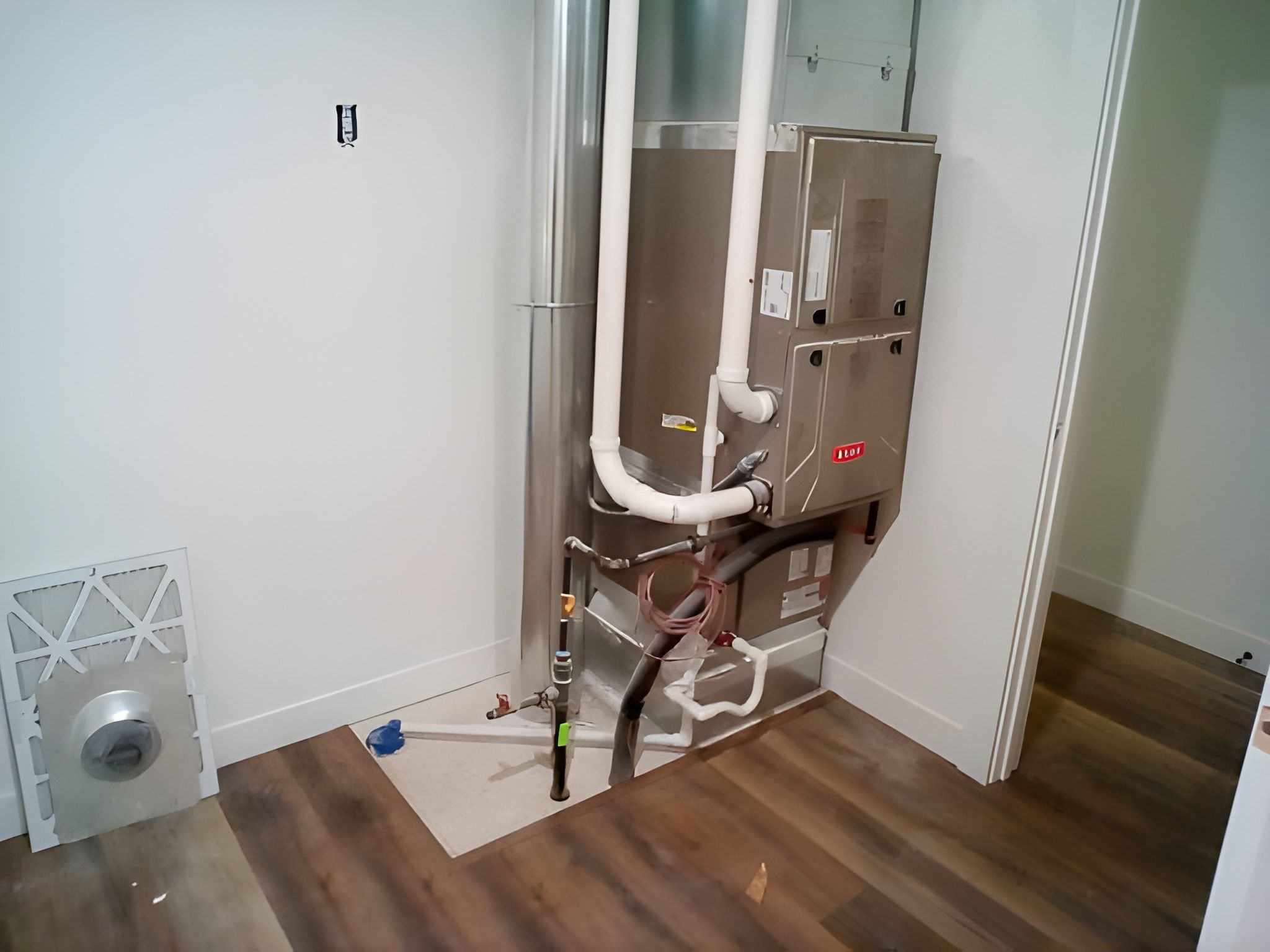
- Visual inspection of the furnace, heat pump, ducts, vents, and controls
- Measurement of indoor comfort issues and airflow testing
- Sizing and load calculations to match capacity to your home
- We use industry-standard load calculations (Manual J) to determine the correct system size and Manual S principles for equipment selection
- Assessment of ductwork condition and needed repairs or sealing
- Determination of electrical capacity if converting to electric heat pumps
- Review of thermostat and control options for zoned comfort
Equipment recommendations: high-efficiency furnaces vs heat pumps
Santa Clara's mild climate makes both high-efficiency furnaces and modern heat pumps viable choices. Recommendations are based on load calculations, home layout, and homeowner goals.
High-efficiency gas furnaces
- Pros: Strong performance during the coldest periods, familiar technology
- Features to consider: high AFUE ratings, modulating burners, sealed combustion, variable-speed blowers for better comfort and efficiency
- Best for homes where natural gas remains preferred or where ductwork is already well-suited
Heat pump systems (air-source and ducted mini-splits)
- Pros: Highly efficient in mild climates, provide both heating and cooling, lower carbon footprint
- Features to consider: inverter-driven compressors, cold-climate performance ratings, multi-zone capability for better room-level control
- Often the best long-term efficiency choice in Santa Clara, and they qualify for many electrification incentives
Ductwork and hybrid systems
- In some homes, duct upgrades or partial ductless solutions provide the best comfort and efficiency balance.
- Hybrid systems combine a heat pump with a gas furnace for backup in rare cold snaps
Sizing, load calculations, and selection process
Proper sizing is critical. Oversized systems short cycle and reduce comfort; undersized systems fail to maintain temperature. We perform:
- Detailed Manual J load calculations using your home’s square footage, insulation, window types, orientation, and occupancy patterns
- Equipment selection (Manual S principles) to match output, efficiency, and part-load performance
- Duct design or modifications if needed to meet airflow requirements
Removal, disposal, and safety
Replacement includes safe removal and responsible disposal of old equipment:
- Safe decommissioning of gas lines or refrigerant recovery per regulations
- Proper recycling of metals and hazardous components
- Verification that combustion venting and exhaust are closed and safe
- Coordination of any required environmental documentation
Timeline and project steps
While every project differs, a typical replacement follows these steps:
- On-site evaluation and estimate
- Final equipment selection, paperwork for rebates/permits
- Ordering equipment and scheduling installation
- Permitting and initial inspections if required
- Installation day(s): removal, new equipment set, ductwork or electrical modifications
- Commissioning, system tuning, and final inspectionPermitting and inspections can add several days to a few weeks depending on complexity and city processes. Single-family home swaps often complete within a few days of on-site work, not counting permit lead time.
Cost factors and estimates
Instead of flat pricing, consider these cost drivers:
- Equipment type and efficiency level
- Need for duct upgrades, electrical panel work, or new thermostat wiring
- Labor complexity, access to equipment locations, and structural modifications
- Permit fees and inspection costs
- Disposal and refrigerant recovery requirementsFinancing assistance and utility or state rebates can significantly change net costs.
Rebates, incentives, and financing assistance
Santa Clara homeowners may qualify for a variety of incentives that reduce upfront cost:
- Regional utility and municipal rebates for high-efficiency equipment or heat pump conversions
- Statewide incentives for electrification and energy efficiency upgrades
- Federal tax incentives when available for qualifying heat pumps or efficiency upgrades
- Local financing options such as low-interest loans, on-bill financing where available, and PACE programs for energy upgradesWe coordinate paperwork and documentation for available rebates and can explain typical program requirements to help you maximize savings.
Warranty coverage, permitting, and inspections
- Manufacturer warranties typically cover major components for set terms, such as compressors or heat exchangers; review duration and coverage limits for chosen equipment
- Installer workmanship warranties vary; ask for details on labor and service coverage
- All installations should comply with local building codes and California energy standards (Title 24). We coordinate permits and inspections with the city to ensure code compliance and safe operation.
Post-installation support and maintenance
A professional replacement includes post-installation services to protect your investment:
- System commissioning and performance verification to ensure efficiency and comfort
- User orientation on controls, thermostats, and maintenance needs
- Scheduled maintenance options to keep the system operating at peak efficiency, including filter changes, coil cleaning, and annual tune-ups
- Monitoring and troubleshooting support during the warranty period and available extended service plans
Benefits of timely replacement for Santa Clara homes
Replacing an inefficient or failing heating system delivers measurable benefits:
- Improved year-round comfort and quieter operation
- Lower energy use and operating costs in Santa Clara’s mild climate
- Better indoor air quality and humidity control with modern systems
- Increased home value and readiness for future electrification goals
- Peace of mind with up-to-date safety features and code compliance
Practical maintenance tips after replacement
- Replace or clean filters regularly for best performance
- Keep outdoor heat pump units clear of debris and plants
- Schedule annual maintenance visits to preserve efficiency and warranty coverage
- Use programmable or smart thermostats to optimize comfort and energy use
A properly planned heating replacement in Santa Clara, CA, aligns equipment choice with home needs, local climate, and available incentives. The right evaluation, accurate sizing, and coordinated permitting and post-installation support ensure a reliable system that delivers comfort and efficiency for years.
hear what our satisfied clients have to say

.svg)
Service areas
.avif)