

Heating Tune-up in Fremont, CA
Plum HVAC's Fremont heating tune-up services provide a comprehensive inspection and adjustment of gas furnaces and heat pumps to ensure safety, reliability, and efficiency. Our process covers safety checks, combustion testing, thermostat calibration, filter recommendations, blower lubrication, airflow assessment, duct sealing, and preventive diagnostics. Local factors like wildfire particulate pollution and milder winters influence maintenance needs, guiding our inspection priorities and package options. Regular, annual tune-ups from Plum HVAC improve responsiveness, reduce energy use, prevent outages, and support a year-round, healthier home environment.
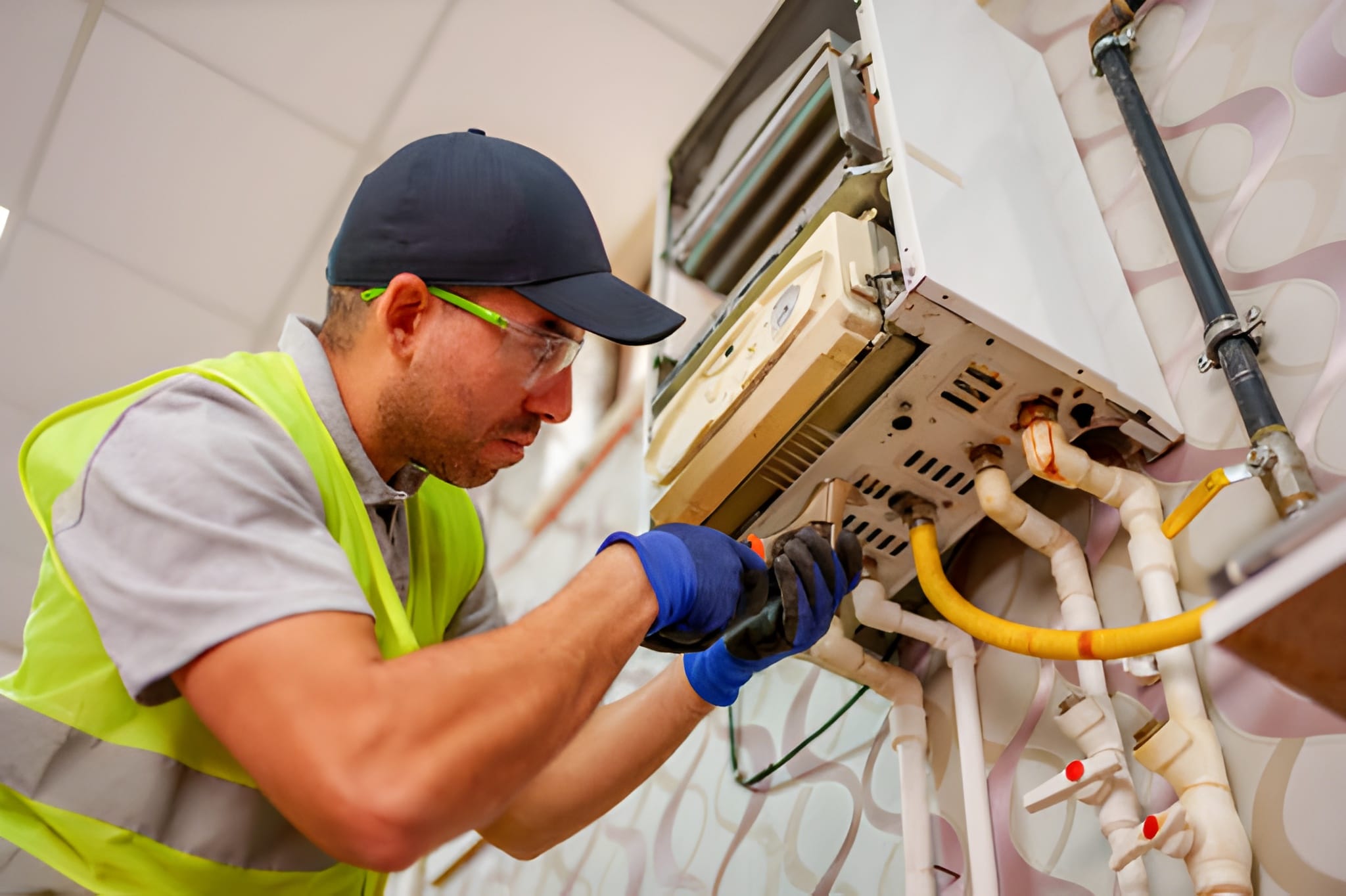
Heating Tune-up in Fremont, CA
Keeping your heating system tuned and safe matters in Fremont, CA even though winters are mild. A focused heating tune-up ensures reliable warmth during rare cold snaps, reduces energy waste, improves indoor air quality after wildfire smoke seasons, and prevents untimely breakdowns. This page explains what a professional Fremont heating tune-up covers, common local issues, the diagnostic process, expected improvements, service package types, and how tune-ups fit into a year-round maintenance plan for your home.
Why a heating tune-up is important in Fremont, CA
- Fremont homes often face seasonal air quality issues from regional wildfires and Bay Area pollution that load filters and ductwork with fine particles.
- Mild winters can lead homeowners to postpone preventive maintenance, increasing the risk of failure during sudden cold periods.
- Many Fremont houses have a mix of older furnaces and newer heat pumps; each system needs tailored attention to perform efficiently.
A tune-up reduces safety risks, restores system efficiency, and extends equipment life so your home stays comfortable and healthy when you need it.
What a heating tune-up includes
A thorough heating tune-up inspects and adjusts every component that affects performance, safety, and efficiency. Typical tasks include:
- Safety checks and visual inspection of heat exchanger and ventilation
- Combustion testing and carbon monoxide screening for gas furnaces
- Thermostat calibration and control verification
- Filter inspection and replacement recommendations
- Motor and blower lubrication where applicable
- Airflow measurement and duct leakage/condition assessment
- Flame sensor, pilot light, ignition system checks and cleaning
- Electrical connection inspection and tightening
- Refrigerant level and heat-pump reversing valve checks for heat pumps
- Drain line inspection and condensate management
Diagnostic and service process
A proper tune-up follows a consistent diagnostic flow so nothing is missed:
- Initial system review: Confirm system type (gas furnace, electric furnace, heat pump) and recent service history.
- Safety inspection: Check for gas leaks, carbon monoxide, proper combustion, clear flue and vents, and intact heat exchanger.
- Electrical and control checks: Measure voltage, tighten connections, inspect the thermostat for accurate temperature control.
- Mechanical inspection: Clean burners, check ignition components and flame sensors, lubricate motors and bearings, verify blower wheel balance.
- Airflow and duct test: Measure static pressure and airflow, inspect ducts for leaks, blockages, or disconnected sections that reduce efficiency.
- System performance readout: For gas systems, perform combustion efficiency testing; for heat pumps, check refrigerant pressures and reversing operations.
- Final adjustments and recommendations: Calibrate thermostat, set fan operation, replace filters if needed, and provide prioritized recommendations for repairs or improvements.
Common heating tune-up issues in Fremont, CA
- Clogged or overloaded filters from wildfire smoke and seasonal pollen reducing airflow and indoor air quality
- Ignition or pilot failure on older gas furnaces due to age or deferred maintenance
- Reduced heat pump performance from low refrigerant or compressor stress after heavy summer cooling use
- Thermostat drift or improper programming that leads to inefficient cycles
- Duct leaks and poorly sealed registers in older Fremont homes, causing uneven heating and wasted energy
- Corrosion of outdoor components on units near the bay or in neighborhoods with higher moisture exposure
Understanding these local tendencies helps prioritize inspections and targeted repairs during a tune-up.
Expected performance and efficiency improvements
A professional tune-up typically results in:
- Improved heating responsiveness and more consistent indoor temperatures
- Reduced energy consumption and lower operating costs through optimized combustion and airflow; many systems recover several percent of lost efficiency after maintenance
- Fewer emergency repairs and a lower likelihood of mid-season failures
- Enhanced indoor air quality when filters and ducts are addressed, especially important after smoke events
- Safer operation with reduced risk of carbon monoxide leaks or faulty ignition
While exact gains vary by system condition, a well-maintained unit delivers clearer, more reliable performance and often avoids the higher costs associated with premature replacement.
Recommended frequency and how tune-ups fit into broader maintenance
- Annual tune-up: For most gas furnaces and heat pumps, schedule at least one thorough inspection each year before the heating season.
- Biannual check: Homes using heat pumps heavily or properties with high indoor airborne particles may benefit from two tune-ups annually (pre-cooling and pre-heating seasons).
- Filters: Replace or upgrade filters seasonally or more often after smoke events; MERV-rated filters or HEPA-compatible solutions improve particulate capture but require checking airflow impacts with the system.
- Duct cleaning and sealing: Inspect ducts every 3-5 years or sooner if you notice dust, odor, or uneven heating. Sealing leaks pays back in comfort and efficiency.
- Carbon monoxide detectors: Maintain detectors on every occupied level; tune-ups reduce risk but detectors are essential for safety.
Integrating tune-ups into a maintenance plan prevents small issues from becoming major failures and helps prioritize investments in repairs or upgrades.
Common tune-up service packages (no pricing)
- Basic Heating Tune-up: Safety and operational checks, filter inspection, thermostat calibration, basic combustion test for gas systems, and a performance readout.
- Comprehensive Tune-up: All basic items plus blower and motor lubrication, deeper burner/ignition cleaning, static pressure and airflow measurement, and prioritized repair recommendations.
- Heat Pump and Hybrid Systems: Includes refrigerant checks, reversing valve operation, defrost cycle evaluation, outdoor coil cleaning, and performance optimization for both heating and cooling seasons.
- Indoor Air Quality Add-on: Filter upgrades, humidifier checks, UV light inspection, and duct assessment tailored to wildfire smoke remediation and allergy concerns.
Each package targets different homeowner needs: routine safety and efficiency, deeper performance restoration, or combined heating-cooling system care.
Final benefits summary
A targeted heating tune-up in Fremont, CA improves comfort, enhances safety, and preserves equipment life while addressing local issues like wildfire particulates and variable winter use. Regular tune-ups fit into a strategic maintenance plan that reduces energy waste, maintains indoor air quality, and lowers the likelihood of unexpected failures. For Fremont homes with mixed HVAC technologies or older ductwork, tune-ups are a practical, cost-effective step to protect your home’s comfort and indoor environment.
hear what our satisfied clients have to say

.svg)
Service areas
.avif)