

Heating Maintenance in Sunnyvale, CA
Keeping your home heating system reliable, efficient, and safe through seasonal tune-ups is crucial for Sunnyvale, CA residents. We'll explain why regular maintenance matters for our local climate and common equipment like furnaces, heat pumps, and mini-splits. We'll also outline a thorough seasonal inspection checklist, detailing component cleaning, testing, and documentation. We review our typical service plans, enrollment steps, and practical tips to help you optimize performance, protect your investment, and avoid emergency repairs during those chilly periods.
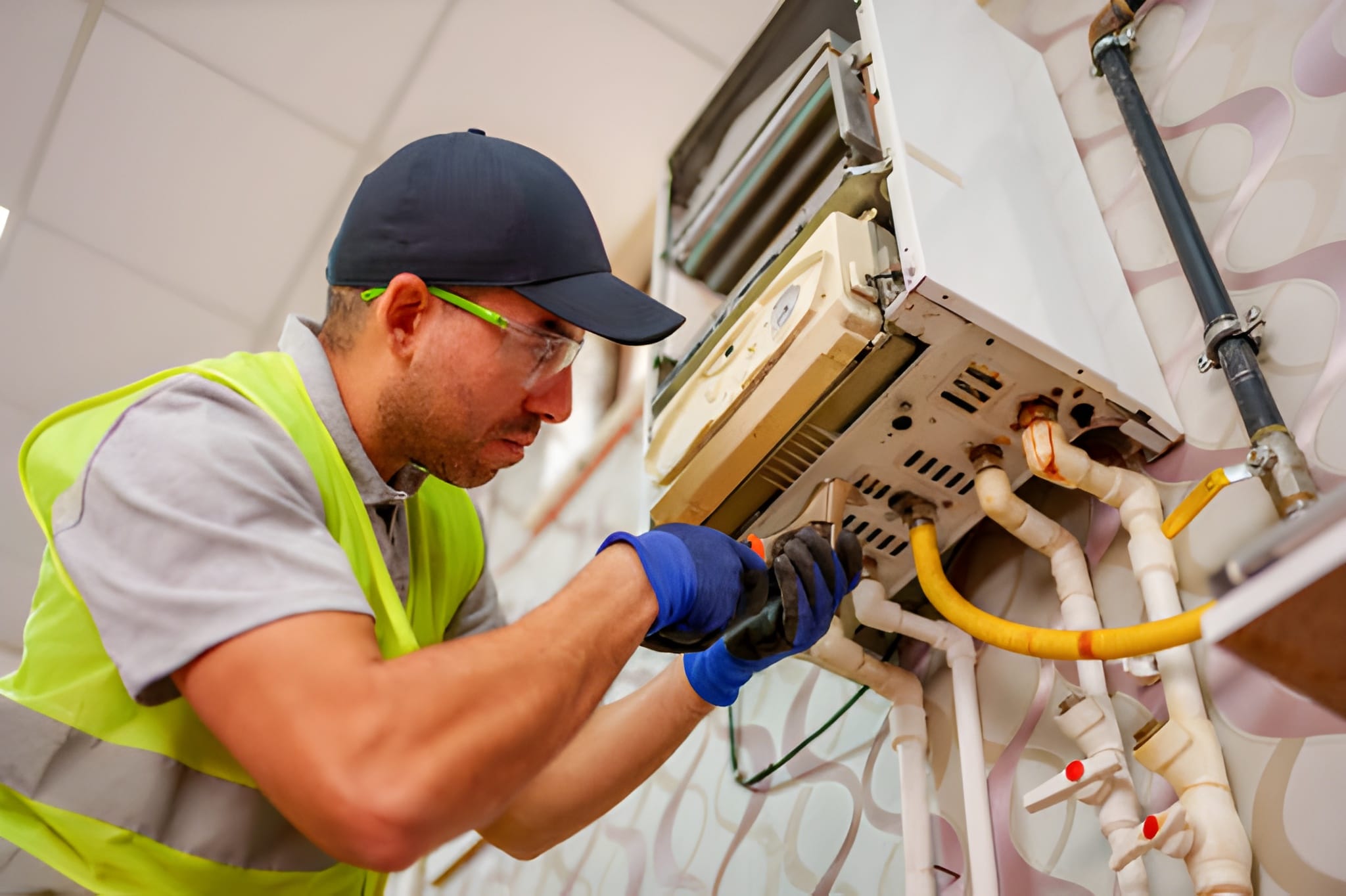
Heating Maintenance in Sunnyvale, CA
Regular heating maintenance is essential for keeping your home comfortable, safe, and efficient throughout Sunnyvale’s cool, sometimes damp winters. A scheduled heating maintenance program or seasonal tune-up identifies small problems before they become system failures, reduces energy use, and extends the life of furnaces, heat pumps, and other heating equipment common in Bay Area homes. Below is a practical, decision-stage guide to what to expect from heating maintenance in Sunnyvale, CA and how maintenance plans typically work.
Why heating maintenance matters in Sunnyvale, CA
Sunnyvale has mild winters with occasional cold snaps and coastal moisture that can accelerate corrosion and clog condensate drains. Many local homes use forced-air furnaces, heat pumps, or ductless mini-splits. Regular maintenance tailored to these systems:
- Keeps equipment operating efficiently during cooler months
- Prevents moisture-related issues that can cause rust, clogged drains, or reduced efficiency
- Reduces the risk of unexpected breakdowns during the first cold nights of the season
- Preserves indoor air quality by keeping filters and components clean
Common heating maintenance issues in Sunnyvale homes
- Dirty or clogged air filters restricting airflow and raising energy use
- Corroded burners or coils from coastal moisture
- Blocked condensate drains leading to water damage or system shutdowns
- Faulty thermostats or miscalibration causing uneven heating
- Worn blower motors, belts, or bearings reducing airflow and stressing components
- Ignition or pilot problems in older gas furnaces
- Refrigerant leaks, low charge, or reversing valve issues in heat pumpsAddressing these issues during scheduled maintenance prevents most mid-season failures.
Seasonal inspection checklist - what a tune-up includes
A comprehensive seasonal heating inspection covers safety, cleanings, adjustments, and testing. Typical checklist items:
- Replace or inspect air filters and recommend the correct MERV or particle rating for your home
- Clean burners, heat exchanger surfaces, and coils to restore proper combustion and heat transfer
- Inspect and clean condensate drains and pans to prevent clogs and overflow
- Check gas lines, fittings, and ignition systems (for gas heating) for safe operation
- Inspect flue, venting, and combustion air pathways for blockages or leaks
- Test and calibrate thermostats and setback controls
- Lubricate motors, bearings, and moving parts where required
- Inspect electrical connections, relays, and capacitors, and measure voltages and currents
- Check blower wheel, belt tension, and airflow; measure static pressure
- Perform performance testing: temperature rise across the heat exchanger, combustion analysis for furnaces, or heat pump performance and refrigerant pressures
- Verify safety controls and limit switches are functioning correctly
Component replacement and cleaning tasks
During maintenance, technicians commonly:
- Replace disposable or recommend replacement schedules for higher-grade filters
- Clean burners, flame sensors, and heat exchanger access areas
- Clean evaporator and condenser coils on heat pumps to maintain capacity
- Clear condensate lines and flush drain traps
- Replace worn belts, filters, and, if needed, capacitors or small electrical componentsReplacement recommendations are based on observed condition, system age, and manufacturer guidelines.
Performance testing and documentation
A quality tune-up includes objective measurements so you know the system’s condition:
- Temperature rise and airflow readings for furnaces
- Combustion efficiency and carbon monoxide checks for gas systems
- Static pressure and airflow measurements to detect duct restrictions
- Refrigerant pressure and superheat/subcooling checks for heat pumpsTechnicians should provide a written report summarizing findings, completed tasks, recommended repairs, and efficiency notes so homeowners can make informed decisions.
Benefits of regular heating maintenance
- Lower energy bills through improved efficiency and proper airflow
- Fewer emergency repairs and greater system reliability during cold spells
- Extended equipment life by reducing strain on components
- Improved safety through combustion analysis and limit control checks
- Better indoor air quality with clean filters and condensate managementThese benefits often justify annual maintenance, especially for systems used seasonally in Sunnyvale.
Typical service plans available
Homeowners usually choose from several maintenance plan types depending on needs and system complexity:
- Single Seasonal Tune-Up: One comprehensive inspection and cleaning before the heating season
- Annual Maintenance Plan: Yearly tune-up with scheduled reminders and a maintenance report
- Priority Maintenance or Membership Plan: Annual tune-ups plus priority scheduling, seasonal reminders, and preferred rates on parts and additional repairs
- Comprehensive HVAC Plan: Combined heating and cooling maintenance inspections to cover heat pumps and combined systems year-roundPlan descriptions typically list included tasks, recommended frequency, and what additional services are available if issues are found.
How enrollment and scheduling typically work
Enrolling in a maintenance plan or booking a tune-up is generally a straightforward process handled in a few steps:
- Select the plan that matches your system type and preferred level of coverage (single tune-up, annual, or priority)
- Provide basic system details: heating type (furnace, heat pump, or ductless), age, fuel source, and service address
- Choose a preferred time window for seasonal service; plans often include reminder notifications before appointments
- A technician conducts the on-site inspection and completes the checklist, performs cleaning and adjustments, and documents the results
- You receive a maintenance report outlining completed tasks, any recommended repairs, and notes on system performance and safetyThis process ensures predictable maintenance and documented care without surprises.
Practical maintenance tips for Sunnyvale homeowners
- Replace or check filters monthly during heavy use periods and at least quarterly otherwise
- Schedule a tune-up in early fall before the first sustained cold period
- For heat pumps, plan maintenance before both heating and cooling seasons if the system handles year-round loads
- Keep outdoor units clear of vegetation and debris to reduce coil fouling and maintain efficiency
- Monitor for unusual odors, noises, or uneven heating and address them promptly to avoid larger repairs
Regular, professionally performed heating maintenance tailored to Sunnyvale conditions preserves comfort, reduces energy waste, and protects your investment. A seasonal inspection and tune-up give you measurable assurance that your heating system will perform safely and efficiently when you need it.
hear what our satisfied clients have to say

.svg)
Service areas
.avif)