

Heating Maintenance in San Jose, CA
Heating maintenance in San Jose, CA, provides reliable, efficient, and safe operation through professional tune-ups, detailed inspections, and meticulous cleaning procedures perfectly tailored to our local climate. Our program outlines extensive inspection checklists, precise cleaning steps, efficiency optimizations, recommended frequencies, and flexible service-agreement options designed to preserve warranties and extend equipment life. Regular Plum HVAC maintenance reduces unexpected breakdowns, significantly lowers energy costs, and improves indoor air quality. By addressing air quality, duct sealing, safety controls, and furnace or heat pump performance, homeowners gain long-term reliability and complete peace of mind.
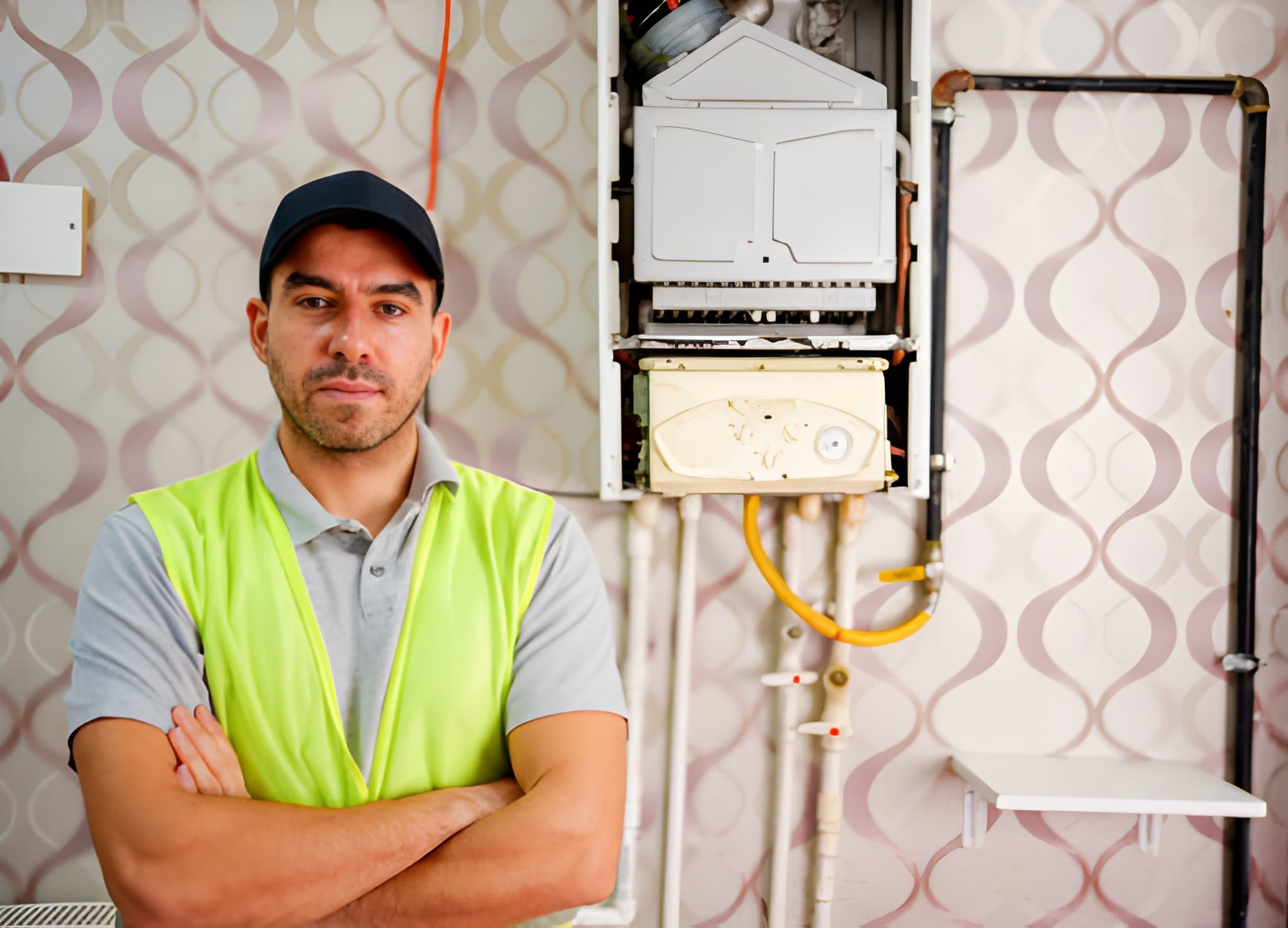
Heating Maintenance in San Jose, CA
Keeping your heating system reliable, efficient, and safe is essential for comfort during San Jose’s cooler months. Routine heating maintenance and seasonal tune-ups reduce unexpected breakdowns, lower energy costs, protect manufacturer warranties, and extend equipment life. This page outlines what a professional maintenance program for San Jose homes should include: detailed inspection checklists, cleaning procedures, efficiency optimizations, recommended frequency, typical service agreement options, and how maintenance preserves warranties and longevity.
Why heating maintenance matters in San Jose
San Jose’s Mediterranean climate means relatively mild winters but frequent microclimate shifts across the Valley and nearby hills. Homes may experience fog, cold mornings, and occasional cold snaps. Additionally, seasonal wildfire smoke can load filters quickly and affect indoor air quality. Regular maintenance helps systems run efficiently during intermittent use, prevents corrosion or wear in older systems, and keeps combustion appliances operating safely.
Common heating maintenance issues in San Jose
- Dirty or clogged air filters causing restricted airflow and reduced efficiency.
- Uneven heating or short-cycling from incorrect thermostat calibration or airflow problems.
- Ignition or burner issues in gas furnaces due to soot, debris, or improper combustion.
- Cracked or stressed heat exchangers from age or thermal cycling, increasing risk and reducing performance.
- Faulty safety controls or sensors (limit switches, flame sensors) that lead to shutdowns or unsafe operation.
- Duct leaks or poor insulation causing heat loss in homes with older ductwork.
- Heat pump refrigerant imbalance or coil fouling on combined heating/cooling systems.
Seasonal tune-up and inspection checklist
A comprehensive heating tune-up for San Jose homes typically follows a structured checklist to catch issues early and optimize performance:
- Visual system evaluation
- Inspect furnace or heat pump for signs of corrosion, rust, leaks, or loose components.
- Check flue and venting for blockages or deterioration.
- Air filter and airflow
- Inspect and replace filters; evaluate filter size and MERV recommendation for your home.
- Verify airflow at registers and look for signs of restricted ducts.
- Burners and combustion (gas furnaces)
- Clean burners and pilot/ignition components.
- Perform combustion analysis and adjust for proper fuel-to-air ratio.
- Inspect flame sensors and ignition control.
- Heat exchanger and coils
- Inspect heat exchanger for signs of cracks or thermal stress (visual and/or borescope where necessary).
- Clean evaporator and condenser coils on heat pumps to maintain heat transfer.
- Safety controls and electrical
- Test limit switches, pressure switches, safety interlocks, and thermostat function.
- Inspect electrical connections, capacitors, relays, and control boards for wear or overheating.
- Lubrication and moving parts
- Lubricate motors and bearings where applicable; check blower wheel balance and belt condition.
- Combustion products and CO checks
- Test for carbon monoxide and measure flue temperatures to confirm safe operation.
- Condensate and drains (for high-efficiency equipment)
- Clear condensate traps and drains to prevent clogs and microbial growth.
Cleaning procedures explained
Proper cleaning restores efficiency and prevents failures:
- Filter replacement: Swap disposable or clean reusable filters on schedule; consider higher-MERV filters if indoor air quality is a priority, keeping airflow needs in mind.
- Burner and combustion cleanup: Remove soot and deposits; clean ignition and flame-sensing surfaces to ensure reliable starts.
- Coil and blower cleaning: Vacuum and brush blower assemblies and coils; remove dust and debris that reduce heat transfer.
- Duct cleaning spot checks: Inspect accessible ducts for heavy dust, pet hair, or mold; targeted cleaning where buildup impairs airflow.
- Condensate system maintenance: Flush and treat drain lines to prevent blockages and corrosion.
Efficiency optimizations for lower bills and comfort
A maintenance visit is an opportunity to improve system efficiency and comfort:
- Thermostat calibration and upgrade recommendations (programmable or smart thermostats).
- Duct sealing and insulation suggestions to reduce heat loss in crawlspaces or attics.
- Balancing airflow across rooms for even heating.
- Adjusting fan and cycle settings to prevent short-cycling.
- Refrigerant check and recharge on heat pumps when applicable for optimal heating capacity.
- Recommending filter types and replacement cadence based on household occupancy and air quality needs.
Recommended maintenance frequency for San Jose homes
- Annual professional furnace inspection and tune-up before the heating season.
- Biannual checks for heat pumps (pre-winter and pre-summer) when units are used year-round for heating and cooling.
- Filter checks and replacements every 1 to 3 months depending on filter type, pets, and indoor air quality demands.
- Condensate and drain inspection annually or more often if recurring issues arise.
Regular scheduling reduces the risk of mid-season failures and aligns with manufacturer requirements for warranty compliance.
Service agreement options (what to expect)
Common maintenance agreement structures that match homeowner needs include:
- Annual maintenance plan: One scheduled tune-up per year with a documented inspection report—meets many warranty conditions.
- Seasonal or biannual plan: Two scheduled visits (pre-winter and pre-summer) ideal for heat pump systems or homes with year-round HVAC use.
- Priority maintenance plan: Includes scheduled maintenance plus priority scheduling during peak season and pre-authorized service visits for repairs (terms vary).
- Comprehensive care plan: Regular inspections plus parts discounts and system performance monitoring as part of a bundled service agreement.
Service agreements typically document completed work, provide maintenance records for warranty and resale needs, and ensure consistent preventive care.
How routine maintenance extends equipment life and preserves warranties
- Prevents small issues from becoming major failures by catching wear, leaks, and control faults early.
- Maintains designed efficiency, reducing the thermal and mechanical strain that accelerates component wear.
- Keeps combustion systems safe and within manufacturer-specified operating parameters; many manufacturers require documented annual maintenance to keep warranties valid.
- Provides service records that support warranty claims and increase resale value by proving consistent care.
Long-term benefits for San Jose homeowners
Consistent heating maintenance results in safer operation, lower energy bills, fewer emergency repairs, and longer equipment life. For San Jose homeowners facing variable winter conditions, occasional smoke events, and Bay Area energy costs, routine tune-ups protect comfort and indoor air quality while keeping systems operating at peak efficiency. Well-documented maintenance also preserves warranty coverage and provides peace of mind through proactive care.
Regular, professional maintenance tailored to local conditions and your specific system is the most effective way to keep heating systems reliable and efficient in San Jose, CA.
hear what our satisfied clients have to say

.svg)
Service areas
.avif)