
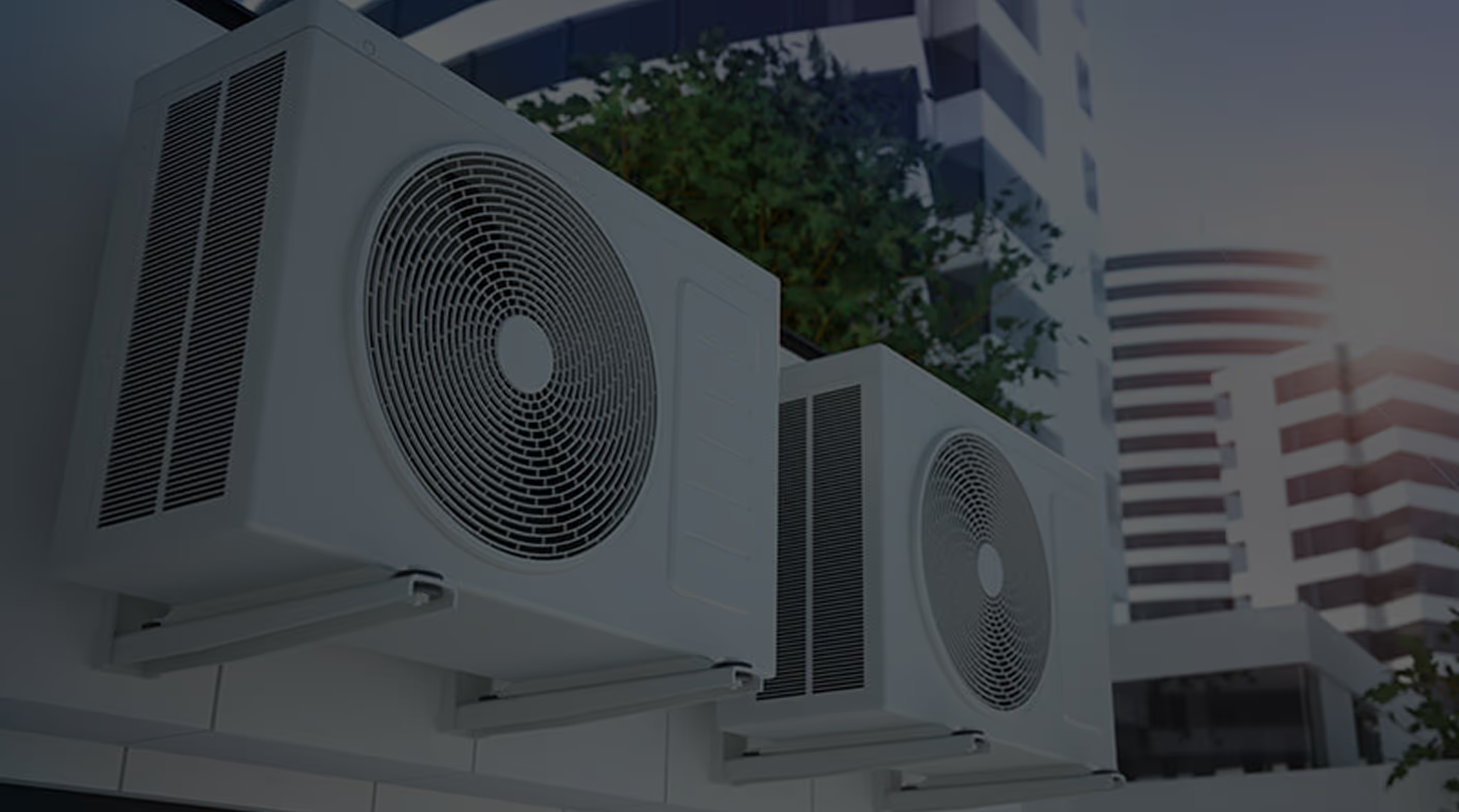
Heat Pump Tune-up in Milpitas, CA
Milpitas heat pump tune-ups from Plum HVAC help ensure reliable cooling and heating while lowering energy use. Our service covers a thorough inspection of indoor and outdoor units, thermostat calibration, refrigerant checks, electrical safety, coil and ductwork evaluation, and system performance tests, followed by cleaning and adjustments to optimize airflow. Regular maintenance reduces breakdown risk, extends component life, and supports energy savings. We also outline typical duration, seasonal scheduling, maintenance tips, and how repairs versus replacements are weighed for Milpitas homes.

Heat Pump Tune-up in Milpitas, CA
Keeping your heat pump tuned and running efficiently is one of the best investments you can make for comfort and energy savings in Milpitas, CA. With warm summers, mild winters, and rising electricity costs across California, a professional heat pump tune-up ensures reliable cooling during summer heat spells and dependable heating during cooler nights. This page explains exactly what a thorough tune-up covers, common local issues, how long a tune-up takes, and why regular maintenance matters for homes in Milpitas.
Common heat pump issues in Milpitas
- Restricted airflow from clogged filters or dusty ducts — impacts efficiency and comfort.
- Reduced cooling/heating capacity from dirty coils or refrigerant loss.
- Short cycling or irregular thermostat response due to calibration or control issues.
- Outdoor unit debris build-up from landscaping, falling leaves, or dust.
- Corrosion or wear on electrical connections from seasonal humidity swings.
- Clogged condensate drains after spring pollen or following wildfire smoke events.
Understanding these common problems helps prioritize what a tune-up should address in Milpitas homes.
Heat pump tune-up: inspection checklist
A professional tune-up follows a systematic inspection to catch problems before they become failures. Key items on the checklist include:
- Visual inspection of indoor and outdoor units for physical damage, corrosion, and debris.
- Thermostat check and calibration to verify accurate temperature control.
- Refrigerant level check (operating pressures) to detect leaks or undercharge.
- Electrical inspection of contactors, capacitors, fuses, and wiring for safety and proper voltages.
- Motor and fan inspection for proper rotation, wear, and balance.
- Coil inspection (evaporator and condenser) for dirt, corrosion, and airflow restriction.
- Ductwork and airflow assessment to identify blockages, leaks, or imbalances.
- Defrost cycle inspection on heat pumps to ensure proper winter operation.
- Condensate drain and pan inspection to prevent clogs and water damage.
- System performance test under load to confirm heating and cooling capacity.
Cleaning and adjustment tasks included
A tune-up is more than an inspection. Technicians will typically perform these cleaning and adjustment procedures:
- Clean or replace air filters (or verify homeowner-supplied replacement).
- Clean outdoor condenser coil and straighten bent fins to restore airflow.
- Clean indoor evaporator coil when accessible to improve heat exchange.
- Remove debris around the outdoor unit and ensure proper clearance.
- Lubricate moving parts where applicable.
- Tighten electrical connections and secure wiring to reduce failure risk.
- Adjust fan speeds and blower settings for balanced airflow.
- Clear and flush the condensate drain line to prevent backups.
- Check and adjust refrigerant charge if necessary after leak diagnosis.
Performance optimization and energy-efficiency checks
A tune-up focuses on improving efficiency and lowering energy use:
- Measure temperature split across the evaporator to confirm proper heat transfer.
- Verify system run times and cycle frequency to reduce short cycling.
- Inspect and advise on thermostat settings and programmable schedules for peak energy savings.
- Test defrost control and reversing valve operation to ensure efficient winter performance.
- Evaluate duct leakage and suggest sealing or insulation improvements to reduce losses.
- Confirm overall system capacity and recommend upgrades (e.g., variable-speed blower or thermostat) when meaningful gains are possible.
These checks are especially valuable in Milpitas where even small efficiency improvements reduce monthly electricity consumption during long cooling seasons and occasional heat waves.
Expected duration and what to expect during the visit
- Typical tune-up duration for a standard split heat pump system: about 60 to 90 minutes.
- Longer visits are common for older systems, multi-zone setups, or when additional cleaning and repairs are required.
- During the visit, the technician will run the system, document key readings, and perform adjustments. Homeowners can expect a walkthrough of findings and clear explanations of any recommended repairs or efficiency improvements.
Benefits of regular heat pump tune-ups
- Improved reliability and fewer unexpected breakdowns during critical weather.
- Lower utility bills through restored system efficiency and correct refrigerant charge.
- Longer system life by reducing wear on components and preventing motor failures.
- Consistent indoor comfort with balanced airflow and accurate thermostat control.
- Early detection of issues like refrigerant leaks or failing capacitors before they become costly.
- Compliance with manufacturer maintenance requirements to protect warranties.
Recommended seasonal scheduling for Milpitas homes
- Spring (late March to May): Ideal for preparing the system for the cooling season—clean coils, check refrigerant, and verify cooling capacity before warm weather arrives.
- Fall (September to November): Tune the system for heating so the heat pump is ready for cooler nights; test defrost cycles and heating performance.
- Additional tune-ups may be warranted after intense wildfire smoke events or heavy dust episodes, since indoor coils and filters can clog more quickly.
For many Milpitas homes, a twice-yearly schedule—once before cooling season and once before heating season—provides the best balance of reliability and efficiency.
Maintenance tips between professional tune-ups
- Replace or clean filters every 1 to 3 months depending on use and indoor air quality.
- Keep at least 2 feet of clearance around the outdoor unit and trim back plants.
- Program your thermostat for consistent setbacks rather than frequent manual changes.
- Listen for unusual noises and monitor for reduced comfort—early signs of trouble.
- Check condensate pan periodically for standing water or slow drainage.
When a tune-up uncovers major issues
If technicians find refrigerant leaks, failing compressors, or significant ductwork problems, they will document the root causes and outline repair options. Common outcomes include targeted repairs (refrigerant leak repair, compressor replacement), duct sealing, or—in older, inefficient systems—evaluating replacement for better long-term savings. In Milpitas, where energy costs and comfort expectations are high, weighing repair versus replacement often includes expected efficiency gains and remaining system life.
Regular tune-ups keep heat pumps performing safely and efficiently in Milpitas homes. A thorough inspection, cleaning, and performance optimization reduce surprises, lower energy use, and maintain comfort through the area's warm summers and mild winters.
hear what our satisfied clients have to say

.svg)
Service areas
.avif)