

Heat Pump Repair in Milpitas, CA
Dealing with heat pump issues in Milpitas? Plum HVAC outlines common problems, our licensed technicians' diagnostic approach, and a clear repair process for electrical, refrigerant, compressor, and control issues. We cover typical timelines, parts, and warranties, plus our technicians' qualifications and pricing policies. Emergency repairs, post-repair testing, and maintenance recommendations are all part of our service to ensure safety, code compliance, and long-term performance. We emphasize accurate diagnosis, transparent communication, and repairs tailored to Milpitas' climate and home needs. Trust Plum HVAC for reliable service.
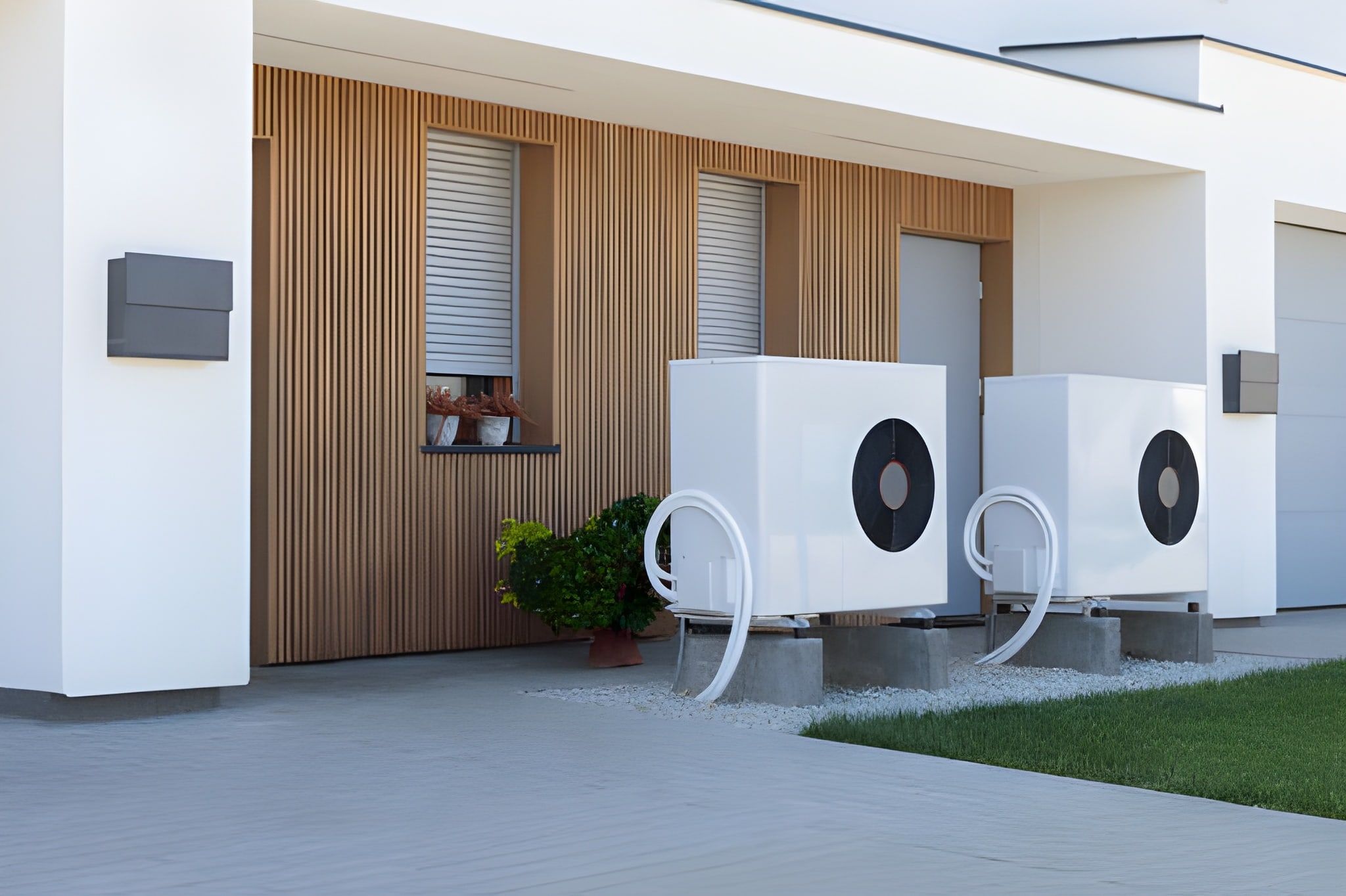
Heat Pump Repair in Milpitas, CA
Heat pumps are a common choice for Milpitas homes because they provide efficient year-round heating and cooling while supporting California’s electrification goals. When a heat pump fails or underperforms, it affects comfort, energy bills, and indoor air quality. This page explains common heat pump problems in Milpitas, the diagnostic approach licensed technicians use, a clear step-by-step repair process for electrical, refrigerant, compressor, and control issues, typical repair timelines and parts, technician qualifications, warranty and pricing policies, and how emergency repairs and post-repair testing are handled.
Why heat pump repair matters in Milpitas
Milpitas experiences warm, dry summers and cool winters with occasional cold snaps. Many homes use heat pumps for both cooling and heating. Salt air is less of a concern than coastal communities, but dust, microclimates, and high daily temperature swings can stress systems. Prompt repair restores efficiency, prevents further damage, and reduces operating costs — especially important where homeowners are balancing comfort with sustainability and local energy programs.
Common heat pump problems in Milpitas
- No heating or cooling: Unit runs but delivers little conditioned air. Common in refrigerant or compressor problems, or a failed reversing valve.
- Short cycling: Unit turns on and off frequently, indicating electrical, thermostat, or compressor issues.
- Low airflow: Blocked filters, failing blower motors, or duct leaks reduce airflow and strain the system.
- Frozen outdoor coil: Restricted refrigerant flow or poor airflow can cause icing, common during transitional seasons.
- Unusual noises or vibrations: Loose components, failing bearings, or compressor problems produce banging, rattling, or humming.
- High energy use: Increased bills with reduced comfort often point to refrigerant leaks, dirty coils, or failing compressor components.
- Control failures: Thermostat communication issues or failed control boards prevent proper operation.
Diagnostic procedures: how technicians locate the problem
Licensed technicians follow a structured diagnostic sequence to identify root causes and avoid unnecessary repairs:
- Visual inspection of outdoor and indoor units for damage, corrosion, or debris.
- Verify thermostat settings and communication. Check error codes on control board.
- Measure airflow across the evaporator and return grills; inspect filters and ductwork.
- Electrical testing: check voltage, amp draw, capacitors, contactors, and safety switches.
- Refrigerant evaluation: measure pressures and superheat/subcooling to detect leaks or improper charge.
- Compressor and reversing valve tests: evaluate sound, current draw, and cycling behavior.
- System-level checks: confirm proper defrost operation, reversing valve function, and refrigerant line insulation.
Technicians document findings and explain repair options in clear terms so you understand what’s required and why.
Step-by-step repair process
Below are the typical repair workflows by problem category. Each step emphasizes safety and code compliance.
Electrical repairs
- Turn off power and lockout per safety protocols.
- Inspect and replace failed capacitors, contactors, relays, or fuses.
- Repair or replace damaged wiring, secure loose connections, and test run to verify proper voltage and amperage.
- Check and reset safety and control interlocks.
Refrigerant repairs
- Recover refrigerant using EPA-compliant recovery equipment.
- Locate and repair leaks (flare fittings, brazed joints, access valves).
- Evacuate the system to required vacuum levels and perform a leak test.
- Recharge with manufacturer-specified refrigerant to the correct charge using pressure and temperature measurements.
- Verify superheat/subcooling and monitor system under load.
Compressor and mechanical repairs
- Isolate compressor issues through current testing and sound analysis.
- Replace start/run capacitors or relays if compressor struggles to start.
- When replacement is required, remove and replace compressor per manufacturer procedures, including proper oil and refrigerant handling.
- Address associated mechanical failures: fan motors, bearings, and belt systems.
Controls and thermostat repairs
- Replace faulty thermostats, sensors, or control boards.
- Reprogram control parameters and confirm communication between outdoor and indoor units.
- Update software or firmware if applicable to restore features and efficiency.
Typical repair timelines and parts used
- Minor electrical or control fixes: same-day to 24 hours.
- Refrigerant leak detection and repair: 1 to 2 days depending on leak accessibility and parts availability.
- Compressor replacement or major mechanical work: 1 to 3 days; longer if special-order parts are required.
- Complex system overhauls (multiple components): 2 to 5 days.
Common parts installed include capacitors, contactors, expansion valves, TXV/ metering devices, filter driers, refrigerant, reversing valves, compressors, fan motors, control boards, and thermostats. Technicians use manufacturer-approved parts whenever possible to maintain system reliability and warranty integrity.
Licensed technician qualifications
- State and local licensing required for HVAC and refrigeration work in California.
- EPA Section 608 certification for refrigerant handling.
- Training in heat pump systems, including inverter drives and modern variable-speed compressors.
- Experience with diagnostic instruments: multimeters, manifold gauges, vacuum pumps, refrigerant recovery machines, and leak detectors.
- Knowledge of local codes, safety standards, and utility/energy program requirements for Milpitas and Santa Clara County.
Technicians also follow manufacturer service manuals and maintain professional documentation of repairs and parts used.
Warranty and pricing policies (overview)
- Warranty: Repaired components typically carry a parts and labor warranty that varies by part type and manufacturer. Warranty coverage is documented on the repair order. Manufacturer parts retain their original warranty when installed to spec.
- Pricing policy: Estimates are provided after diagnosis. Pricing models include itemized breakdowns of labor, parts, and diagnostic fees. Emergency or after-hours service may be billed differently. Transparent invoicing ensures you can see what was repaired and why.
- Workmanship: Reputable services provide a workmanship guarantee that covers installation-related issues for a stated period.
These policies are explained before work begins so homeowners understand coverage and cost structure.
Emergency repairs and post-repair testing
- Emergency repairs: Technicians prioritize safety hazards (electrical shorts, refrigerant venting, or complete system failure during extreme weather). Emergency response follows triage: stabilize the system, perform temporary repairs if needed, then schedule permanent fixes. Emergency response timelines depend on time of day and parts availability.
- Post-repair testing: After repairs, technicians run a full system test. This includes verifying correct pressures, airflow, defrost cycles, temperature split, electrical parameters, and noise/vibration levels. They confirm thermostat operation and that the system meets manufacturer performance specifications. A final walkthrough explains what was done and any recommended follow-up.
Maintaining performance after repair
- Replace filters regularly and keep outdoor coils free of debris.
- Schedule annual preventative maintenance to catch issues early.
- Monitor unusual sounds, higher energy use, or short cycling and address promptly to avoid bigger repairs.
- Keep outdoor unit space clear for airflow and service access.
This detailed approach to heat pump repair in Milpitas, CA ensures repairs are thorough, code-compliant, and designed to restore reliable, efficient operation tailored to local climate and home needs.
hear what our satisfied clients have to say

.svg)
Service areas
.avif)