
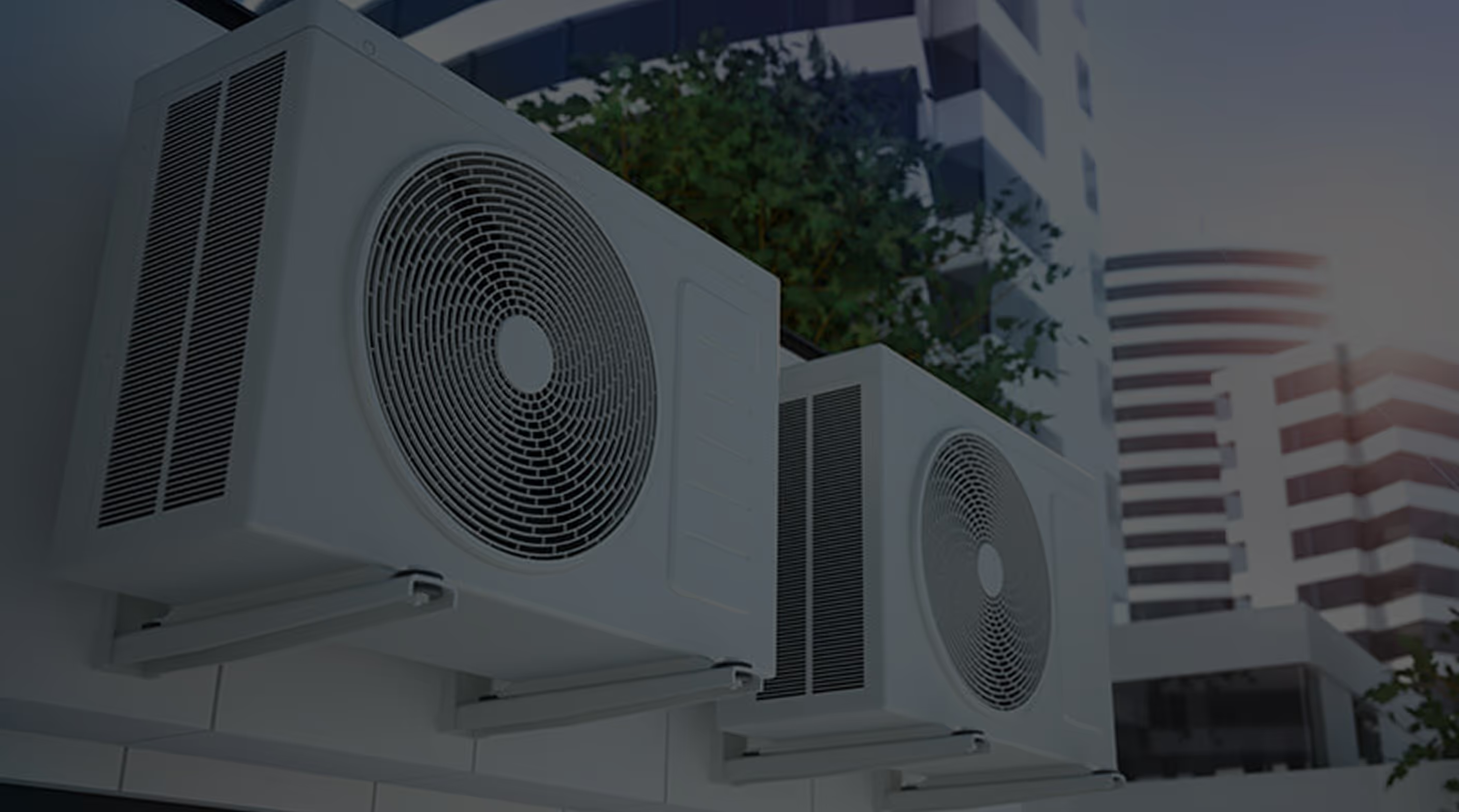
Heat Pump Tune-up in Belmont, CA
For a comprehensive heat pump tune-up in Belmont, CA, Plum HVAC is here to safeguard your safety, improve efficiency, and extend equipment life. Our technician conducts safety inspections, refrigerant checks, electrical and blower assessments, coil cleaning, thermostat calibration, and performance testing, along with individualized maintenance recommendations. Expect a methodical 60–90 minute visit for typical single-zone systems, with longer diagnostics for multi-zone installations. Regular annual tune-ups reduce wear, lower energy bills, and help prevent costly breakdowns while maintaining comfort year-round.
.jpeg)
Heat Pump Tune-up in Belmont, CA
Keeping your heat pump tuned and running efficiently is essential for reliable comfort in Belmont, CA. Even with the Bay Area's generally mild climate, heat pumps do the heavy lifting for both heating and cooling during seasonal swings. A professional heat pump tune-up addresses safety, performance, and longevity concerns specific to local conditions like coastal humidity and airborne debris, helping prevent unexpected breakdowns and higher energy bills.
What a Heat Pump Tune-up Covers
A thorough tune-up follows a detailed checklist to ensure every major component is inspected, cleaned, and tested. Typical items performed during a heat pump tune-up in Belmont, CA include:
- Safety inspections
- Verify system safety controls, check for gas leaks if applicable, and ensure safe operation parameters are met.
- Refrigerant level checks
- Measure refrigerant pressure and assess for leaks or incorrect charge that reduce efficiency.
- Electrical connections and components
- Tighten terminals, inspect wiring, test capacitors and contactors, and measure amp draws to identify failing electrical parts.
- Motor and blower assessments
- Check blower wheel balance, motor bearings, and airflow. Confirm proper fan speeds and airflow rates.
- Coil and condenser cleaning
- Clean indoor evaporator coils and outdoor condenser coils to restore heat transfer efficiency and prevent freeze-ups.
- Filter inspection and replacement recommendations
- Evaluate filter condition and advise on replacement to maintain proper airflow and indoor air quality.
- Drainage and condensate check
- Clear condensate drains and pans to prevent clogs, mold growth, and water damage.
- Thermostat calibration and control checks
- Verify thermostat accuracy, settings, and communication with the system.
- Defrost cycle and reversing valve test
- Confirm the heat pump reverses smoothly and that defrost sequences operate correctly in heating mode.
- Performance testing
- Measure temperature split, static pressure, and run a full performance test to confirm the unit is meeting manufacturer specifications.
- Visual inspection for corrosion or physical damage
- Look for signs of corrosion from coastal moisture, animal nests, or physical impacts that can lead to future failures.
Common Heat Pump Tune-up Issues in Belmont, CA
Belmont homes experience a few recurring issues that make regular tune-ups particularly valuable:
- Reduced coil efficiency from pollen and coastal haze
- Even in mild climates, airborne particles can coat coils and reduce heat transfer.
- Corrosion and outdoor unit wear
- Bay Area humidity and occasional salt air increase the risk of corrosion on outdoor coils and fasteners.
- Clogged condensate drains
- Mild temperatures and humidity can encourage biological growth that blocks drains and causes water-related problems.
- Intermittent electrical faults
- Aging capacitors and loose connections often surface during seasonal switches between heating and cooling.
- Improper refrigerant charge
- Small leaks over time are common and reduce capacity and efficiency before showing clear symptoms.
Diagnostic Process and What to Expect
A professional tune-up is diagnostic as much as it is maintenance. Expect a methodical process that typically takes 60 to 90 minutes for a single-zone residential system, longer for multi-zone or complex installations. The technician will:
- Arrive prepared with diagnostic tools and inspection checklist.
- Perform safety and electrical checks first to ensure a safe working environment.
- Clean coils and filters, then start the unit to observe normal operation.
- Measure refrigerant pressures, temperature differentials, airflow, and electrical loads.
- Test controls, reversing valve, and defrost cycle while documenting any anomalies.
- Provide a clear summary of findings and recommended repairs or parts replacements if issues are found.
Duration varies based on system condition, accessibility of equipment, and whether repairs are needed.
Recommended Frequency and Cost Considerations
- Recommended frequency
- For most Belmont residences, an annual tune-up is recommended. Consider semiannual service for older systems, units with heavy usage, or homes near the bay where corrosion risk is higher.
- Cost considerations (factors that influence cost)
- Complexity and age of the heat pump
- Extent of cleaning and diagnostic testing required
- Accessibility of indoor and outdoor units
- Need for refrigerant top-offs or replacement parts
- Whether additional services, such as duct cleaning or minor repairs, are performed during the visit
Regular tune-ups are an investment in system efficiency and reliability. While this service has an upfront cost, routine maintenance lowers the chance of expensive emergency repairs, preserves manufacturer warranty conditions, and maintains energy performance that reduces monthly operating expenses.
Efficiency, Comfort, and Reliability Benefits
Regular heat pump tune-ups deliver measurable benefits for Belmont homeowners:
- Improved energy efficiency
- Clean coils, correct refrigerant charge, and proper airflow reduce energy consumption and maintain steady comfort.
- More consistent home comfort
- Properly tuned systems provide stable temperatures with fewer short cycles and less noise.
- Extended equipment life
- Preventive maintenance reduces wear on compressors, motors, and electrical parts, delaying major replacements.
- Fewer unexpected breakdowns
- Early detection of wear prevents failure during peak usage periods.
- Safer operation
- Electrical checks and safety control tests reduce fire and shock risks.
- Better indoor air quality
- Regular filter checks and coil cleaning reduce dust and biological contaminants circulated through the home.
Practical Maintenance Tips for Belmont Homes
Simple homeowner actions between professional tune-ups help preserve performance:
- Replace or clean filters monthly to maintain airflow.
- Keep at least two feet of clearance around the outdoor unit and remove leaves, grass clippings, and debris regularly.
- Trim back shrubs and vegetation to prevent debris buildup and improve airflow.
- Inspect outdoor unit for signs of corrosion and report any concerns during a tune-up.
- Schedule tune-ups before the start of heavy-use seasons to ensure peak performance when you need it most.
- Use programmable thermostat setbacks to reduce runtime while avoiding frequent short cycling.
Regular maintenance tuned to Belmont conditions preserves comfort, reduces energy use, and protects your investment. A comprehensive heat pump tune-up identifies small problems before they become costly repairs and keeps your system operating safely and efficiently year round.
hear what our satisfied clients have to say

.svg)
Service areas
.avif)