
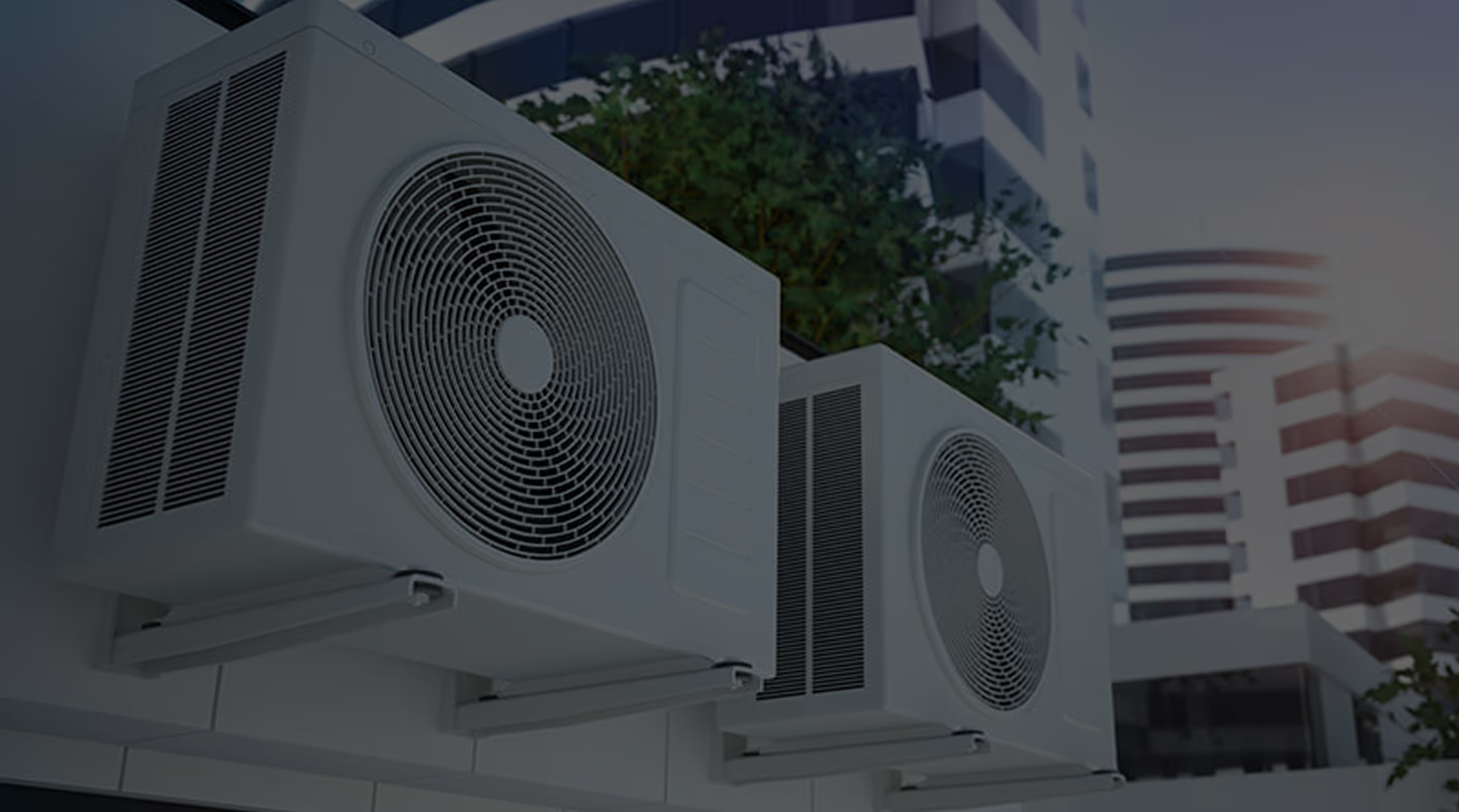
Heat Pump Maintenance in Belmont, CA
Belmont homeowners, you can count on Plum HVAC for a comprehensive heat pump maintenance program that protects your comfort, reduces energy use, and prevents costly breakdowns. Our guide outlines local climate challenges like coastal corrosion, explains what a seasonal tune-up includes, and details diagnostic checks and recommended maintenance schedules. By emphasizing proactive care, we show how regular inspections, cleanings, proper refrigerant management, and component checks translate into reliable performance and longer equipment life. We also explain how tune-ups support your warranties and budget planning.
.jpeg)
Heat Pump Maintenance in Belmont, CA
Keeping your heat pump well maintained is one of the most effective ways to preserve comfort, lower operating costs, and avoid unexpected breakdowns in Belmont, CA homes. Because heat pumps provide both heating and cooling, routine maintenance prevents performance losses caused by dirt, refrigerant issues, airflow restrictions, and component wear. This page explains what a comprehensive heat pump maintenance program looks like, common local issues in Belmont, recommended schedules, and the real benefits of staying proactive.
Why heat pump maintenance matters in Belmont, CA
Belmont sits in a mild Mediterranean climate with frequent marine influence, morning fog, and salty air drifting in from the Bay. Those conditions increase the likelihood of coil corrosion, condensate buildup, and debris on outdoor units. At the same time, most homes depend on heat pumps for year round comfort rather than separate furnace and AC systems, so ensuring reliable operation is especially important.
Regular maintenance keeps systems running efficiently, reduces energy use, and prevents small problems from becoming costly repairs. In practical terms, a maintained heat pump uses energy more efficiently, maintains even indoor temperatures, and experiences fewer mid-season failures.
Common heat pump maintenance issues in Belmont, CA
- Dirty or clogged filters reducing airflow and increasing run times. Coastal and pollen seasons make frequent filter attention necessary.
- Fouled evaporator or condenser coils from fog, dust, and salt particles, lowering heat transfer and causing longer cycles.
- Refrigerant leaks that reduce capacity and increase compressor stress.
- Airflow restrictions from blocked vents, duct leaks, or failing blowers leading to uneven heating and cooling.
- Thermostat calibration drift causing inaccurate temperature control and short cycling.
- Corrosion or electrical wear on outdoor components exposed to marine air.
- Condensate drain clogs causing water intrusion or mold risk.
What a seasonal heat pump tune-up includes
A full tune-up covers inspection, cleaning, and basic adjustments to restore efficient operation. Typical seasonal tasks include:
- Visual inspection of outdoor unit, mounting, and electrical connections.
- Cleaning condenser and evaporator coils to restore heat transfer.
- Replacing or inspecting air filters and recommending filter types and change intervals.
- Checking refrigerant charge and looking for signs of leaks.
- Measuring airflow and inspecting ductwork for obvious leaks or restrictions.
- Testing compressor and reversing valve operation for proper heating and cooling cycles.
- Calibrating the thermostat and verifying system controls.
- Inspecting condensate trap and drain lines and clearing blockages.
- Lubricating moving parts where applicable and tightening electrical connections.
- Documenting findings and recommending repairs or efficiency improvements.
Diagnostic checks and what they reveal
Technicians use a combination of visual inspection and measurements to pinpoint root causes. Refrigerant checks reveal low charge or leaks which explain weak heat output. Temperature and suction line readings show whether the compressor is working efficiently. Airflow measurements identify blocked returns or undersized filters that cause ice buildup or short cycling. Electrical tests uncover loose connections or failing capacitors that create hard starts and put stress on the compressor. These diagnostics shape a focused repair plan rather than guessing at causes.
Recommended maintenance schedule for Belmont homes
- Monthly: Check and replace filters more often during high pollen or smoky periods.
- Twice a year: Full tune-ups in spring (pre-summer cooling) and fall (pre-winter heating) to prepare for peak seasons.
- Annually: Deep coil cleaning and refrigerant system inspection, plus duct inspection every one to two years depending on condition.
- As needed: Thermostat battery or calibration checks if you notice temperature swings, and immediate inspection for unusual noises, odors, or sudden efficiency loss.
What to expect from a service agreement
A maintenance service agreement formalizes scheduled care and protects system performance. Typical agreement features include:
- Scheduled seasonal tune-ups and reminders to keep maintenance on track.
- Priority scheduling for repairs during peak seasons when demand is high.
- Detailed service records for warranty support and resale value.
- Preferential labor terms or discounted parts pricing under agreement terms.
- Clear documentation of work performed and recommended next steps.
Service agreements create predictability and help homeowners budget for routine care rather than dealing with emergency breakdowns.
Benefits of regular heat pump maintenance
- Improved efficiency and lower energy bills: Routine cleaning and correct refrigerant levels typically reduce energy use by noticeable percentages compared to neglected systems.
- Longer equipment life: Regular lubrication, tightening, and component checks reduce wear and can extend system life by multiple years.
- Fewer emergency repairs: Proactive inspections catch small issues before they lead to compressor failure or refrigerant loss.
- Better indoor comfort: Proper airflow and calibrated controls maintain steady temperatures and humidity.
- Safer operation: Electrical inspections reduce the risk of shorts or overheating components.
- Warranty protection: Many manufacturers require documented maintenance to keep warranties valid.
Homeowner signs that maintenance is overdue
- System runs constantly but rooms are not reaching set temperatures.
- Rising energy bills without a change in usage patterns.
- Unusual noises, grinding, hissing, or frequent short cycling.
- Visible frost or ice on outdoor unit lines in cold cycles.
- Musty or moldy indoor odors near vents or the indoor unit.
- Frequent need to adjust the thermostat for comfort.
If you notice any of these signs, an inspection and tune-up can often prevent more serious repairs.
Final notes and maintenance tips for Belmont residents
Belmont homeowners benefit from a maintenance rhythm that considers local weather patterns. Check filters monthly, schedule professional tune-ups before summer and winter, and ask for coil protection options to mitigate coastal corrosion. Keep outdoor units clear of landscaping, leaves, and salt buildup, and maintain good attic and crawlspace ventilation to reduce duct condensation and mold risk.
Consistent, documented heat pump maintenance keeps your system efficient, reliable, and long lasting—especially in the unique climate conditions found in Belmont, CA. Regular care protects comfort and reduces the likelihood of mid-season disruptions.
hear what our satisfied clients have to say

.svg)
Service areas
.avif)