
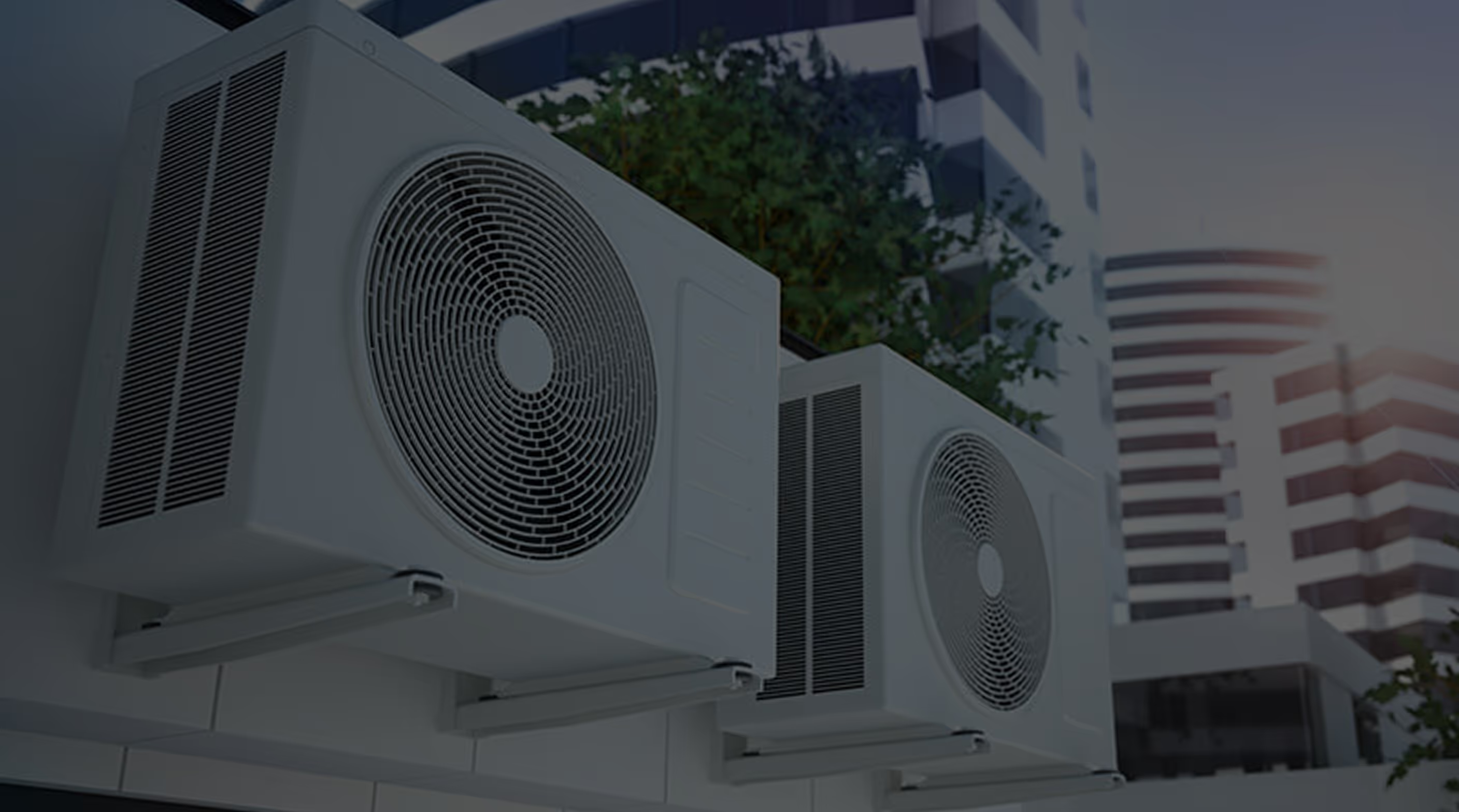
Heat Pump Replacement in Stanford, CA
For Stanford, CA homes, we're here to explain heat pump replacement – detailing when it's appropriate and how to choose an appropriately sized, energy-efficient system. We outline a clear, step-by-step workflow: from load calculations and model selection to removing old equipment, handling duct and electrical upgrades, permitting, commissioning, and a thorough homeowner orientation. We also cover typical timelines, costs, rebates, financing, warranties, and maintenance tips, emphasizing comfort, efficiency, reduced energy bills, and aligning with local electrification goals. At Plum HVAC, we're designed for homeowners seeking reliable service and long-term value.
.jpeg)
Heat Pump Replacement in Stanford, CA
Upgrading to a new heat pump is often the smartest long-term decision for Stanford, CA homeowners who want reliable comfort, lower energy bills, and compliance with evolving building electrification goals. Whether your existing system is failing, underpowered for recent renovations, or simply far less efficient than current models, a professional heat pump replacement ensures the right-sized, energy-efficient equipment is installed, ductwork or electrical needs are addressed, and all local permitting and inspection requirements are met.
Common heat pump replacement reasons in Stanford homes
- Aging equipment beyond its useful life (10 to 15 years for many systems) leading to frequent breakdowns.
- Poor comfort or inconsistent temperatures during hot summer afternoons and cool winter nights.
- Rising electricity bills due to inefficient operation.
- Home renovations or additions that change heating and cooling load requirements.
- Desire to switch from gas or older electric systems to modern heat pumps for electrification and carbon reduction.
- Incompatibility of old ductwork or inadequate electrical service for new, high-efficiency systems.
How the replacement process works
The heat pump replacement process in Stanford, CA typically follows clear, sequential steps to ensure performance, safety, and code compliance.
- System evaluation and accurate load calculations
- A thorough on-site evaluation documents existing equipment, ductwork condition, insulation levels, window orientation, and attic ventilation.
- A Manual J load calculation or equivalent determines the correct system capacity so the new heat pump is neither undersized nor oversized. Proper sizing is critical for comfort, humidity control, and efficiency in the Bay Area’s Mediterranean climate.
- Model selection with energy-efficient focus
- Energy-efficient mini-split or central heat pump models are discussed, including seasonal energy efficiency ratings relevant to Stanford homes.
- Factors considered: SEER/HSPF or HSPLa (or relevant efficiency metrics), variable-speed compressors for better humidity control, sound ratings for quieter operation near compact Stanford lots, and compatibility with smart thermostats or home electrification plans.
- Removing old equipment and preparing the site
- Safe decommissioning and removal of the existing heat pump, refrigerant recovery following environmental regulations, and disposal of outdated components.
- Assessment of indoor equipment placement and outdoor condenser location to optimize airflow, minimize noise, and comply with local setback rules.
- Ductwork, ventilation, and electrical upgrades if needed
- Many older homes need duct sealing, balancing, or resizing to match the new system’s airflow requirements. In some cases, a switch to ductless or hybrid systems is recommended.
- Electrical service upgrades or dedicated circuits may be required for modern heat pumps. Assessing the main panel capacity and running new wiring is arranged to meet local code and safety standards.
- Permitting and inspection coordination
- Replacement work in Stanford typically requires permits and final inspections through the appropriate local jurisdiction. Coordinating permit applications and inspection scheduling avoids delays and ensures the installation meets Santa Clara County and local building codes.
- Commissioning and homeowner orientation
- After installation, systems are charged, balanced, and commissioned. Technicians verify performance, measure temperatures and airflow, and show homeowners how to operate the system and any connected controls.
Timeline and cost considerations for Stanford, CA
- Typical timeline: evaluation and proposal (1-2 weeks), permitting (variable, often 1-3 weeks), installation (1-3 days for standard replacements; longer if ductwork or electrical upgrades are required). Total project time commonly ranges from two to six weeks depending on permitting and complexity.
- Cost factors: system capacity, choice of high-efficiency model, extent of ductwork or electrical upgrades, accessibility of equipment locations, and permitting fees. Shorter projects with minimal upgrades are faster and less costly; whole-house retrofits or major electrical work increase time and expense. Local labor costs in the Bay Area can also influence final pricing.
Rebate, incentive, and financing assistance
- Homeowners in Stanford should evaluate state-level incentives and local utility rebates that support heat pump adoption and electrification. Many programs offset equipment or installation costs and sometimes prioritize high-efficiency or heat pump water heater pairings.
- Financing options, including energy-efficient home improvement loans or on-bill financing through certain utilities, can spread cost over time. Proper documentation is prepared to help homeowners claim eligible rebates and meet program requirements.
Warranties and long-term protection
- New heat pumps commonly include manufacturer warranties on compressors and parts; labor warranties vary by installer. Understand what is covered, length of coverage, and service response procedures.
- Maintenance plans extend system life and preserve efficiency: annual filter and coil checks, refrigerant level verification, and periodic airflow testing.
What to expect on installation day
- Clear access to indoor and outdoor equipment locations; temporary protection for floors and landscaping during work.
- Technicians will remove old equipment, install new components, perform duct or electrical work if needed, and complete system startup and testing. Expect some noise and staging of equipment for a day or two. Final inspections and commissioning follow once the work is complete.
Benefits specific to Stanford homeowners
- Improved cooling performance during hot summer micro-heat events common in the Bay Area, with modern systems offering better dehumidification and zone control.
- Reduced energy bills and lower carbon footprint aligning with regional electrification and sustainability goals.
- Enhanced home value and comfort, particularly for buyers who prioritize efficient, all-electric HVAC systems.
Maintenance tips after replacement
- Change or clean filters every 1 to 3 months depending on use and indoor air quality.
- Schedule annual professional tune-ups to maintain efficiency and preserve warranty coverage.
- Ensure outdoor units remain clear of foliage and debris; Stanford’s seasonal winds and landscaping can affect airflow.
Deciding to replace a heat pump in Stanford, CA is a technical and financial decision best guided by accurate load calculations, careful model selection, and attention to local permitting and incentive opportunities. A well-executed replacement delivers more consistent comfort, improved efficiency, and long-term savings while aligning with local energy and climate priorities.
hear what our satisfied clients have to say

.svg)
Service areas
.avif)