
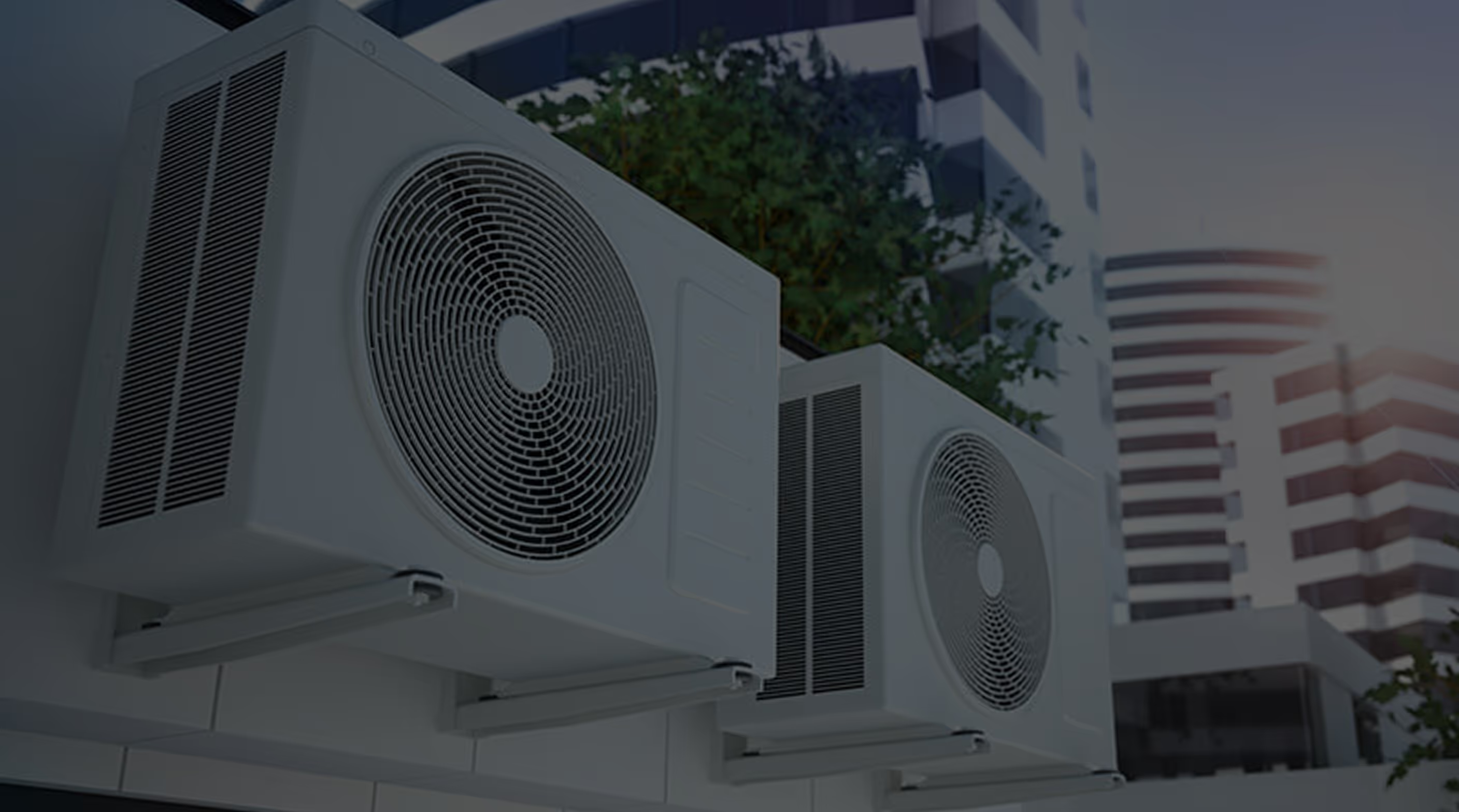
Heat Pump Repair in Stanford, CA
For reliable heat pump repair in Stanford, CA, Plum HVAC is here to help. We cover common failures, diagnostic methods, emergency response, parts and warranties, realistic timelines, and the criteria for choosing repair versus replacement. We explain issues like compressor failures, refrigerant leaks, electrical faults, thermostat problems, and airflow challenges, then detail a systematic diagnostic and repair process, expected timelines, and typical costs. We also offer maintenance tips and highlight how prompt, professional service protects comfort, efficiency, and long-term system value for your home.
.jpeg)
Heat Pump Repair in Stanford, CA
Keeping your heat pump running reliably is essential for yearround comfort in Stanford, CA. Even though this region has milder winters and moderate summers, Stanford homes still depend on heat pumps for efficient heating and cooling. This page explains common heat pump failures in Stanford, how professional diagnostics and repairs are performed, emergency response and scheduling expectations, parts replacement and warranty norms, realistic repair timelines, and how to decide between repairing and replacing your system.
Why timely heat pump repair matters in Stanford, CA
A malfunctioning heat pump can raise energy use, reduce comfort, and create indoor air problems. In Stanford, where homeowners often prioritize energy efficiency and low emissions, restoring a heat pump to peak performance protects comfort and helps control utility bills during seasonal peaks. Quick, accurate repairs also avoid more costly failures that occur when small problems are left unaddressed.
Common heat pump repair issues in Stanford, CA
Many service calls in this area involve repeatable, diagnosable problems:
- Compressor failures: Symptoms include little or no heating or cooling, unusual noises, or the unit short-cycling. Compressor issues are often the most serious repair.
- Refrigerant leaks: Low refrigerant pressures cause poor temperature control and higher energy use. Leaks can develop at fittings or coils, especially in older systems or units near irrigation spray.
- Electrical faults: Tripped breakers, blown fuses, faulty contactors, bad capacitors, and corroded wiring can stop the system or cause intermittent operation.
- Thermostat and control issues: Miscalibration, wiring errors, or smart thermostat communication problems lead to incorrect cycling or inconsistent comfort.
- Airflow problems: Dirty filters, blocked vents, or failing blower motors reduce system capacity and lead to icing or overheating.
- Reversing valve or defrost circuit failures: In heat mode, these components are critical for efficient winter operation. Failure shows up as poor heating or icing on the outdoor coil.
Emergency response and scheduling expectations
In Stanford, professional services typically prioritize safety and basic comfort restoration first, then schedule full diagnostics and repairs. Expect this workflow:
- Initial triage by phone to determine safety risks (smoke, burning smell, electrical issues).
- Priority emergency visits for hazardous conditions or complete loss of heating in cold snaps.
- Same-day or next-day diagnostic appointments for nonemergency but urgent failures.
- Follow-up scheduling for parts procurement and complex repairs.
Technicians usually arrive with basic diagnostic tools and common replacement parts for rapid temporary fixes, then return with ordered parts if major components are needed.
Step-by-step diagnostic and repair process
A systematic approach minimizes downtime and ensures accurate repairs:
- Job intake and symptom review: Confirm what you’re experiencing, when it started, and any recent changes.
- Safety and power checks: Verify electrical safety, breaker status, fuses, and disconnects.
- Visual inspection: Look for signs of corrosion, oil stains (indicating leaks), rodent damage, or physical obstruction.
- Airflow and filter inspection: Measure supply and return airflow, inspect filters and ducts.
- Refrigerant and pressure testing: Check system pressures and temperatures to identify leaks or undercharge.
- Electrical testing: Test capacitors, contactors, relays, and motor current draw.
- Component-level diagnosis: Isolate failed parts such as compressor, reversing valve, fan motor, or controls.
- Repair and retest: Replace faulty parts, repair leaks, recharge to proper refrigerant levels if permitted, and verify operation across modes.
- Documentation: Provide a clear report of findings, replaced parts, and any suggested follow-up actions.
Parts replacement and warranty details
When parts are replaced, expect these common practices:
- Manufacturer parts carry their original parts warranty, which can vary by component and system age.
- Independent installers often provide a limited labor warranty for the specific repair, typically covering workmanship for a defined short-term period.
- Replacing major components like compressors, reversing valves, and control boards may affect factory warranties if not performed with approved parts or procedures.
- For refrigerant work, proper leak repair is required before a recharge to comply with regulations and to avoid repeat service.
Always request documentation of parts warranties and inquire which components retain factory coverage after service.
Estimated repair timelines and cost factors (what to expect)
Timeframes typically depend on the failure type and parts availability:
- Minor repairs (capacitors, contactors, thermostat fixes): often completed within a few hours.
- Refrigerant leak location and repair: may require a day for leak detection, repair, and necessary recharging.
- Compressor or major component replacement: usually 1 to 2 days, allowing time for parts procurement and proper evacuation and recharge.
- Complex replacements or permitted work: several days if permits, additional equipment, or extended fabrication are needed.
Costs vary with the scope of work, parts required, system age, refrigerant type, accessibility of equipment, and whether permits are necessary. Rather than specific prices, focus on these cost drivers:
- Minor electrical or control fixes are lower impact.
- Refrigerant system repairs and major component replacements are moderate to high.
- Systems needing multiple major components or conversions from older refrigerants can become major investments.
Repair versus replacement: decision guidance
Deciding whether to repair or replace involves several practical factors:
- System age: Heat pumps older than about 10 to 15 years are often near the end of their service life. Repeated repairs on older units generally favor replacement.
- Frequency and cost of repairs: If you have recurring expensive failures within a short period, replacement often delivers better value.
- Performance and efficiency: If the unit struggles to meet comfort goals or has significantly higher operating costs than modern models, replacement improves comfort and lowers energy use.
- Refrigerant considerations: Older systems using phased-out refrigerants can be costly to service and may need replacement to meet longterm expectations.
- Immediate needs: A single, isolated failure on a relatively new system typically merits repair.
Evaluate the remaining useful life, expected efficiency gains from new equipment, and how long you plan to keep the home when choosing.
Local maintenance tips for Stanford homes
Stanford’s mild but occasionally intense weather patterns make preventive care worthwhile:
- Replace filters regularly and keep the outdoor unit clear of leaves and irrigation overspray.
- Schedule spring and fall tuneups to verify cooling readiness for warm months and heating performance for seasonal cool spells.
- Keep outdoor units on stable, level pads and protect them from lawn equipment and sprinklers.
- Consider a programmable or smart thermostat to optimize performance around local occupancy patterns and time-of-use rates.
- Check for early signs of refrigerant leaks and unusual noises to catch problems before they become major.
Proper maintenance extends life and reduces emergency repairs.
Benefits of prompt, professional heat pump repair in Stanford
Timely, expert repairs restore comfort, improve efficiency, and reduce the risk of larger failures. In Stanford, where energy efficiency and home comfort are priorities, maintaining your heat pump helps protect indoor comfort yearround, lowers operating costs, and supports sustainable home energy goals. Prioritizing accurate diagnostics, durable parts, and documented warranties preserves system value and homeowner peace of mind.
hear what our satisfied clients have to say

.svg)
Service areas
.avif)