
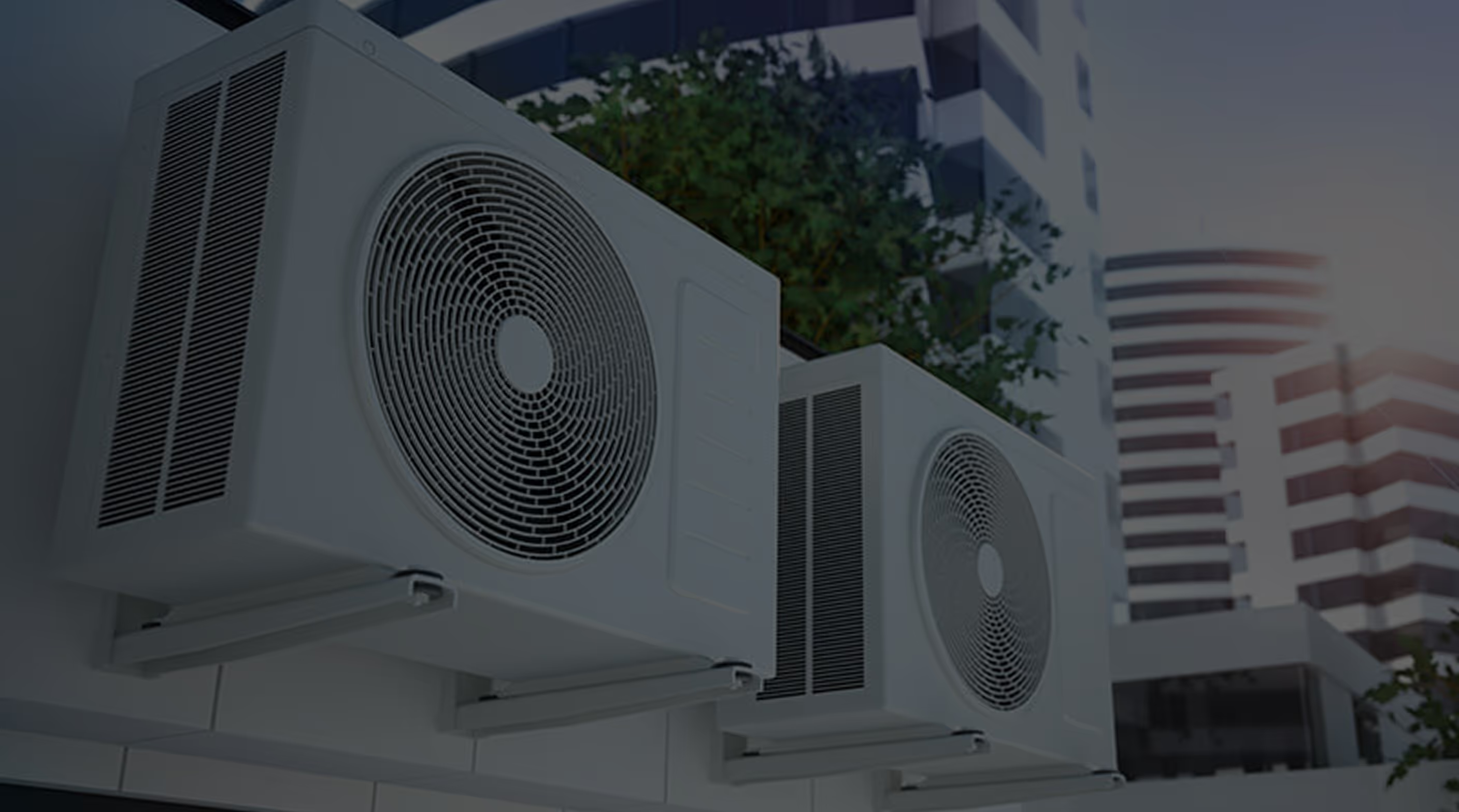
Heat Pump Replacement in San Carlos, CA
Replacing a heat pump in San Carlos, CA with Plum HVAC is a strategic upgrade that lowers energy costs and improves year-round comfort. We outline when replacement makes sense, how systems are evaluated and sized, typical installation steps, local permit requirements, and realistic energy savings. We cover replacement scenarios, performance metrics, and options such as high-efficiency, ductless, and hybrid systems, along with warranties, financing, and long-term value. Proper load calculations, coastal conditions, and a careful selection process drive reliable results.
.jpeg)
Heat Pump Replacement in San Carlos, CA
Replacing a heat pump is a major home investment and a chance to reduce energy bills, improve comfort, and meet California efficiency standards. In San Carlos, CA, where the mild Mediterranean climate and occasional coastal humidity affect system performance, the right replacement delivers reliable year‑round comfort with lower operating costs. This page explains when replacement makes sense, how systems are evaluated and selected, what the installation process looks like, permitting and inspection requirements for San Carlos, and realistic expectations for energy savings and long‑term performance.
When to consider heat pump replacement
Common indicators that a heat pump needs replacement rather than repair:
- System age: most heat pumps last 10–15 years; beyond that, refrigerant leaks, compressor failures, and reduced efficiency become more likely.
- Rising energy bills despite regular maintenance.
- Frequent breakdowns or costly repairs that exceed 50% of replacement cost.
- Inadequate comfort: uneven heating/cooling, long run times, or excessive noise.
- R-22 refrigerant systems or older equipment that do not meet current efficiency standards.
- Corrosion or visible damage from coastal air common in the Bay Area that compromises the outdoor unit.
Replacing an aging or undersized system in San Carlos not only restores comfort but also helps you meet local and state energy codes and unlock available incentives.
Common heat pump replacement scenarios in San Carlos
- Direct swap: like-for-like replacement of an outdoor/compressor unit with a similar capacity unit when ductwork and indoor components are in good condition.
- Upgrade to high-efficiency central heat pump: improves SEER and HSPF, reduces operating costs.
- Conversion from older electric resistance or gas heating to a modern heat pump for higher efficiency and decarbonization goals.
- Ductless mini‑split installation: ideal for room additions, partial home upgrades, or homes with limited ductwork.
- System right-sizing and ductwork upgrade: replacing an oversized or undersized unit combined with duct sealing and insulation for best results in older San Carlos homes.
System evaluation and diagnostics
A professional replacement starts with a thorough evaluation:
- Visual inspection of indoor and outdoor units, coils, and electrical connections.
- Ductwork assessment: leakage, insulation, and airflow testing.
- Load calculation (Manual J): determines accurate heating and cooling loads based on San Carlos home orientation, insulation, windows, occupancy, and local climate.
- Equipment matching (Manual S): selects equipment capacity and efficiency that meets the calculated load while avoiding oversizing and short cycling.
- Refrigerant and compressor condition check: identifies leaks or damage that influence replacement strategy.
Efficiency comparisons and equipment selection
Key efficiency metrics to consider:
- SEER2 and HSPF2 for cooling and heating seasonal efficiency ratings — higher numbers mean lower energy use.
- COP (coefficient of performance) for heating performance at specific outdoor temperatures.
- Variable‑speed compressors and inverter technology deliver better comfort, quieter operation, and higher part‑load efficiency — beneficial in San Carlos’s mild climate where systems often run at partial load.
- Corrosion‑resistant coatings and stainless steel components for outdoor units near the Bay to resist salt air damage.
Equipment choices depend on home layout and goals:
- High‑efficiency central heat pump: best for whole‑house replacement with existing ductwork.
- Ductless mini‑split heat pumps: flexible zoning, high efficiency, minimal ductwork disruption.
- Hybrid systems: pair heat pump with backup electric or gas heat for extreme cold (rare in San Carlos but relevant for upper peninsula exposures).
Size and load calculations
Proper sizing prevents short cycling, reduces wear, and improves comfort:
- A Manual J load calculation tailored to San Carlos factors (mild winter temps, moderate summer loads, local solar exposure) should be the basis for sizing.
- Manual S equipment selection then matches the load to a model that operates efficiently across typical seasonal conditions.
- Consider zoning or multiple indoor units for multi‑level or oddly shaped homes to maintain balanced comfort.
Permit and inspection process in San Carlos
Replacing a heat pump generally requires a mechanical permit from the City of San Carlos or San Mateo County, depending on jurisdiction. Typical steps:
- Submit application with equipment details, load calculations, and scope of work.
- Electrical permits may be required if service upgrades or new disconnects are installed.
- Final inspection includes verification of proper installation, refrigerant handling, duct connections, and safety clearances.
- Installation must comply with California energy code and refrigerant handling regulations.
Expect permit processing and scheduling to add time before starting work; having accurate equipment specs and load calculations speeds approval.
Installation timeline and removal/disposal
Typical timeline for a straightforward replacement:
- Pre-install assessment and permit submittal: 1–2 weeks (may vary with permitting).
- Installation day(s): 1–3 days for most single‑family homes (ducted systems may take longer if ductwork modifications are needed).
- Startup and commissioning: final airflow balancing, refrigerant charge, thermostat setup, and system testing performed on the final day.Old equipment removal and disposal:
- Outdoor and indoor components are safely disconnected, refrigerant is recovered per state and federal requirements, and metal and refrigerant components are recycled following local hazardous waste rules.
- Documentation of refrigerant recovery and disposal is typically provided for permit and compliance records.
Warranties, performance guarantees, and financing options
Warranty and performance expectations:
- Manufacturer warranties typically cover major components; check terms for compressors, coils, and parts.
- Contractor warranties may cover workmanship and installation-related issues for a set period; ensure these are documented.
- Performance guarantees (e.g., expected efficiency or energy savings) can be discussed and documented at the time of proposal, especially when combined with duct sealing and controls.
In San Carlos, homeowners often combine manufacturer incentives, state and utility rebates, and federal tax incentives to lower upfront costs. Financing options such as energy-efficient home improvement loans or on‑bill financing may be available; discussing program eligibility during the evaluation helps clarify total cost and payback timing.
Expected energy savings and long‑term value
Replacing an old or inefficient heat pump with a modern high‑efficiency unit typically reduces heating and cooling energy use by 20–50%, depending on the age and condition of the replaced unit, ductwork efficiency, and occupant habits. In San Carlos’s mild climate, optimized systems with proper sizing and variable‑speed technology often deliver the higher end of savings due to frequent part‑load operation.
Other long‑term benefits:
- Improved comfort and more consistent indoor temperatures.
- Lower maintenance and repair frequency.
- Reduced greenhouse gas emissions and alignment with California’s energy goals.
- Increased home value through upgraded HVAC and documented efficiency improvements.
Maintenance and getting the most from a replacement
To protect your investment and maintain efficiency:
- Schedule annual maintenance: coil cleaning, refrigerant check, airflow verification, and control calibration.
- Keep outdoor units clear of debris and maintain 2–3 feet of clearance.
- Consider smart thermostats and zoning controls to maximize part‑load efficiency in San Carlos’s variable climate.
- Address ductwork issues during replacement to preserve efficiency gains.
A properly planned heat pump replacement in San Carlos, CA balances accurate load calculations, appropriate equipment selection for coastal conditions, compliant permitting, and quality installation to deliver reliable comfort and measurable energy savings for years to come.
hear what our satisfied clients have to say

.svg)
Service areas
.avif)