Heat Pump Installation in San Carlos, CA
For San Carlos, CA, heat pump installation by Plum HVAC combines comfort and energy efficiency, tailored for our coastal climate and space constraints. We outline the full process, from your initial consultation and load calculations to electrical, ductwork, and permitting considerations. Then we manage indoor and outdoor equipment placement, commissioning, safety checks, and a homeowner walkthrough. We also cover warranty terms, rebates, ongoing maintenance, and how our professional installation ensures optimal performance, reliability, and eligibility for incentives in your San Carlos household.
.jpeg)
Heat Pump Installation in San Carlos, CA
Installing a heat pump is one of the most effective ways to improve home comfort while reducing energy use in San Carlos, CA. With a mild Mediterranean climate, local homes benefit from heat pumps’ year-round efficiency—cooling in summer and heating in the shoulder seasons—while avoiding the extremes of some other systems. This page explains the complete installation process, common considerations for San Carlos homes, and what to expect from start to finish so you can make an informed decision.
Why a heat pump is a smart choice in San Carlos
- San Carlos climate: Mild winters and warm summers make air-source and mini-split heat pumps highly efficient here.
- Electrification and emissions: Heat pumps reduce reliance on natural gas and align with California’s energy goals.
- Older homes: Many San Carlos houses have legacy ductwork or space constraints that affect system choice—options include ducted systems, ductless mini-splits, or hybrid systems.
Common heat pump types for San Carlos homes
- Ducted air-source heat pumps: Best for homes with existing, usable duct systems. Provide whole-house heating and cooling.
- Ductless mini-split systems: Ideal for homes without ducts, room additions, or where zoned comfort is desired.
- Cold-climate heat pumps: Useful if you want stronger performance on the chilliest nights, though San Carlos usually doesn’t require extreme cold-climate models.
- Hybrid (dual-fuel) systems: Combine a heat pump with a gas furnace for backup heating in colder conditions.
- Ground-source (geothermal) systems: Very efficient long-term for certain properties but require more site work and higher initial investment.
Initial consultation and site assessment
The installation process begins with an on-site consultation:
- Review your home’s layout, insulation, attic and crawlspace access, and current HVAC equipment.
- Inspect existing ductwork for leaks, insulation level, and sizing.
- Evaluate electrical panel capacity and available space for outdoor/indoor equipment.
- Discuss lifestyle needs (zoned control, noise preferences, indoor air quality).This assessment identifies constraints common in San Carlos homes—such as compact yards, historic building details, or limited mechanical space—and informs a tailored installation plan.
Load calculations and system sizing
Accurate sizing is critical for performance and longevity:
- Technicians perform Manual J load calculations to determine heating and cooling requirements based on square footage, orientation, insulation, window types, and local climate data.
- Oversized units short cycle, reduce comfort, and lower efficiency; undersized units struggle on peak days.
- For San Carlos, calculations account for mild winters but also hot summer afternoons in inland-adjacent neighborhoods.
Electrical and ductwork requirements
Many installations require electrical and/or ductwork work:
- Electrical upgrades: Heat pumps typically need a dedicated circuit and may require panel capacity checks. Coastal proximity in San Carlos may require corrosion-resistant outdoor equipment mounts and wiring protections.
- Ductwork work: Options include sealing and insulating existing ducts, resizing or adding return paths, or installing new duct runs for optimal airflow. Older ducts in San Carlos homes often need cleaning and sealing prior to installation.
- Permits and inspections: Local building permits and utility coordination (for rebate eligibility) are part of the process.
Step-by-step installation and commissioning
A typical installation follows these stages:
- Pre-install prep: Remove old equipment if present, prepare mounting pads or brackets, and stage materials.
- Indoor unit installation: Mount air handler or indoor mini-split heads, connect refrigerant lines, and set up condensate drains.
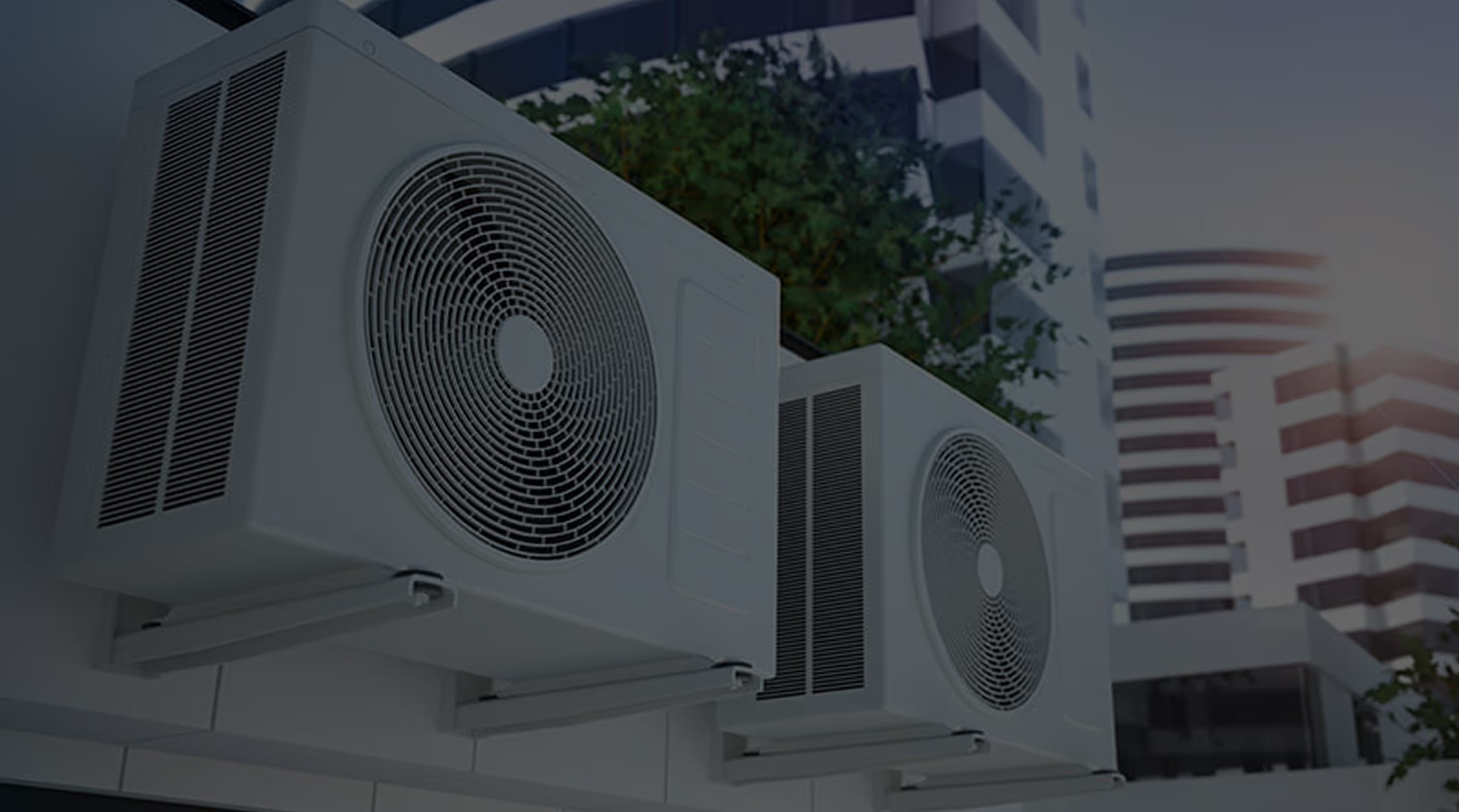
- Outdoor unit placement: Install outdoor unit on a level pad or bracket with appropriate clearances and vibration isolation, considering San Carlos’ microclimates and setback rules.
- Refrigerant line and wiring connections: Run and insulate refrigerant lines, perform electrical hookup, and install disconnects as required by code.
- Vacuum, charge, and leak test: Evacuate lines to remove moisture and air, weigh in the correct refrigerant charge if required, and pressure-test for leaks.
- System startup and controls setup: Configure thermostats, zoning, and smart controls; adjust fan speeds and compressor staging.
- Commissioning tests: Measure airflow, supply/return temperatures, and system pressures to verify performance.
Safety and testing procedures
Safety and code compliance are integral:
- Pressure and refrigerant leak checks ensure system integrity.
- Electrical safety checks validate proper grounding, breaker sizing, and disconnect functionality.
- Combustion appliance interaction testing confirms no negative interactions with existing gas appliances.
- Performance verification includes measuring temperature split (delta T), airflow (CFM), and refrigerant pressures to meet manufacturer specifications.
Post-installation walkthrough and user training
After commissioning, a thorough walkthrough ensures homeowners understand their system:
- Demonstration of thermostat functions, scheduling, and any app-based controls.
- Explanation of basic maintenance: filter changes, outdoor unit clearance, condensate drain checks.
- Review of warranty paperwork, service intervals, and recommended preventative maintenance.
- Discussion of expected performance and seasonal changes specific to San Carlos (for example, how coastal fog or summer inland heat can affect defrost cycles or cooling loads).
Warranties and rebates for San Carlos homeowners
- Warranties: Most manufacturers offer parts and compressor warranties (commonly 5 to 10 years), with options to register products for extended coverage. Labor warranties vary; confirm the installer’s service warranty for workmanship.
- Rebates and incentives: San Carlos homeowners may qualify for state and local incentives, utility rebates, and federal tax credits tied to heat pump installations and home electrification. Programs often require pre-approval, specific equipment efficiency ratings, or post-install verification—so documentation and permit compliance are important.
- Consider warranty registration and keeping installation documents and permit records to support any rebate or incentive claims.
Ongoing benefits and maintenance tips
- Regular filter changes, annual tune-ups, and periodic coil cleaning maximize efficiency and extend equipment life.
- Seal and insulate ducts where accessible to prevent energy loss, especially in older San Carlos homes with unconditioned attics or crawlspaces.
- Monitor system performance through seasonal checks; catching issues early prevents costly repairs.
Why professional installation matters in San CarlosProfessional, code-compliant installation ensures the heat pump delivers expected efficiency, comfort, and reliability tailored to San Carlos conditions. Proper load calculations, careful handling of electrical and ductwork constraints, and thorough commissioning protect your investment and help you take full advantage of warranties and available incentives.
hear what our satisfied clients have to say

.svg)
Service areas
.avif)