
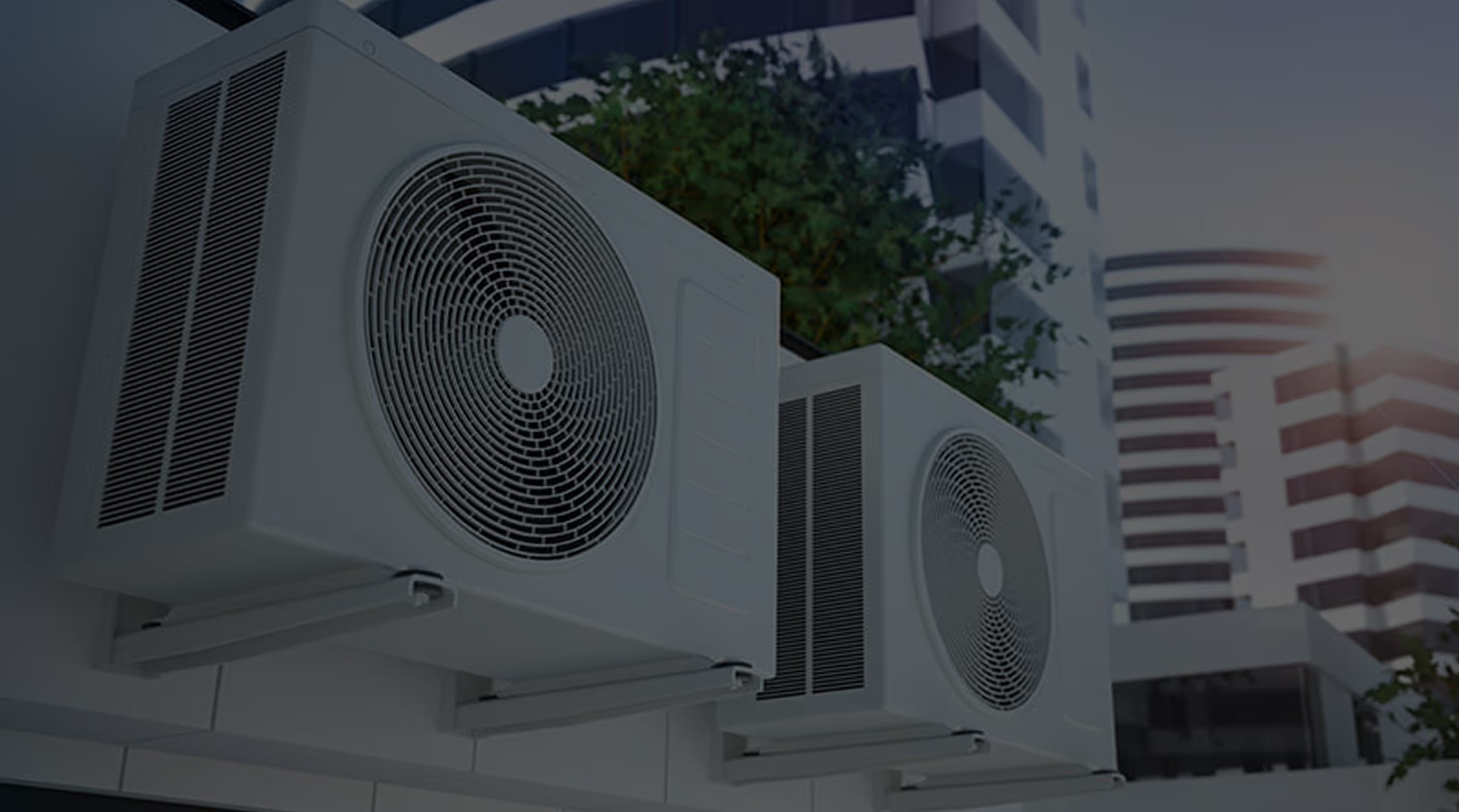
Heat Pump Repair in Foster City, CA
Plum HVAC’s heat pump repair services in Foster City, CA offer reliable, timely diagnostics and targeted fixes to restore your comfort and efficiency while protecting your system's life. Our systematic diagnostic process pinpoints root causes, followed by transparent repair plans and compliant refrigerant handling. Common issues we see include compressor faults, refrigerant leaks, electrical problems, and thermostat errors. Repairs might involve replacing compressors or coils, electrical components, or recalibrating controls. We also provide preventive maintenance and local tips to minimize future breakdowns. With emergency options and warranties, you’ll have peace of mind.
.jpeg)
Heat Pump Repair in Foster City, CA
Reliable, timely heat pump repair is essential for Foster City homes where mild coastal winters, bay breezes, and salt air create specific stresses on heating and cooling equipment. Whether your system fails to heat, cycles short, makes unusual noises, or shows low airflow, a targeted diagnostic and repair process restores comfort and efficiency while protecting system life and compliance with California refrigerant regulations.
Why prompt heat pump repair matters in Foster City
Foster City’s maritime climate means heat pumps run year-round for both heating and cooling. Salt-laden air accelerates corrosion of outdoor coils, compressors, and electrical connections. Standing water or seasonal flooding risks can affect outdoor units in low-lying areas. Addressing heat pump faults early prevents more extensive damage, reduces energy waste, and avoids emergency breakdowns during the cooler months.
Common heat pump issues in Foster City homes
- Compressor failure or hard-starting compressor: Worn windings, moisture intrusion, or electrical stress from coastal corrosion.
- Refrigerant leaks or low charge: Leaks in coils or fittings reduce capacity and increase run times. Older systems may use phased-out refrigerants that require careful handling.
- Electrical faults: Failed capacitors, contactors, control boards, or corroded wiring causing intermittent operation or no-start conditions.
- Thermostat and control problems: Incorrect settings, poor calibration, or failing sensors leading to short cycling or poor temperature control.
- Reduced airflow or frozen coils: Dirty filters, blocked returns, failing blowers, or restricted refrigerant flow.
- Noise and vibration: Fan motor wear, loose mounts, or compressor issues producing rattles or humming.
Step-by-step diagnostic process
Technicians follow a systematic diagnostic workflow to identify root causes and recommend targeted repairs:
- Initial visual inspection
- Check outdoor unit condition for corrosion, debris, and physical damage.
- Inspect indoor air handler for filter condition, condensate issues, and duct problems.
- System controls and thermostat verification
- Confirm thermostat settings, wiring, and control logic.
- Run system through modes to reproduce the issue.
- Electrical testing
- Measure voltage and amp draw at compressor, fan motor, and control board.
- Test capacitors, contactors, relays, and safety switches for proper function.
- Refrigerant and pressure checks
- Measure high and low side pressures and superheat/subcooling to evaluate charge.
- Use approved leak-detection methods (electronic detectors, UV dye, or soap testing) while complying with California and federal refrigerant handling rules.
- Airflow and mechanical evaluation
- Check blower wheel, belts, dampers, and ductwork for restrictions.
- Inspect coils for blockage or corrosion and assess reversible valves and expansion devices.
- Performance verification
- Run the system and measure supply/return temperatures, run time, and cycling behavior to confirm diagnosis.
Technicians document findings and provide a clear repair plan that explains what will be fixed, replaced, or monitored.
Typical repairs and parts replacement
- Compressor replacement or repair: Replacement is often required for internal failure. Technicians remove, recover refrigerant, and install compatible compressors following refrigerant regulations.
- Refrigerant leak repair and recharge: Locate and repair leak points, replace damaged coils or fittings if necessary, evacuate, and recharge to specification. Older refrigerants are handled with appropriate protocols.
- Electrical component replacement: Capacitors, contactors, relays, fuses, control boards, and wiring are commonly replaced to restore reliable starts and operation.
- Fan motor and blower repairs: Replace bearings, motors, or blower assemblies to restore airflow and reduce noise.
- Thermostat replacement or calibration: Upgrade to a compatible thermostat or reprogram existing controls to resolve miscommunication between components.
- Coil cleaning or replacement: Clean corroded coils when possible; severe corrosion may require coil or outdoor unit replacement.
All repair procedures include safe refrigerant recovery, new component testing, and a final performance check.
Estimated timelines
- Diagnostic visit: Typically 60 to 90 minutes for a complete evaluation and written findings.
- Minor repairs (capacitor, contactor, thermostat, filter, blower belt): Often completed the same day, typically 1 to 3 hours.
- Refrigerant leak repair and recharge: 2 to 6 hours depending on leak location and access; may require a return visit if parts need ordering.
- Major component replacement (compressor, coil, reversing valve): 4 to 8 hours on average; longer if the unit requires special parts or refrigerant reclamation.
- System replacement or major retrofit: Multi-day scheduling can be necessary for permit work or extensive replacements.
Estimated timelines help set realistic expectations for restoration of service, but exact durations depend on unit age, accessibility, parts availability, and whether refrigerant recovery requires specialized handling.
Warranty and follow-up service
Repairs typically include limited parts and labor warranties covering replaced components for a specified period. Follow-up checks are recommended after refrigerant repairs and major component replacements to verify seal integrity and system performance. Routine post-repair maintenance visits help ensure long-term reliability and maintain manufacturer warranty conditions. Technicians adhere to EPA refrigerant handling rules and local codes when performing repairs.
Emergency call-out options and scheduling overview
Emergency call-outs are available for sudden system failures or unsafe conditions. Response protocols prioritize safety triage, temporary measures to protect equipment, and expedited diagnostics. Routine scheduling is arranged in standard appointment windows, while after-hours or emergency services address urgent breakdowns outside normal hours. Appointments for diagnostics and repairs are typically arranged using common scheduling channels such as phone, email, or online booking systems.
Preventive maintenance and local tips for Foster City
- Schedule seasonal tune-ups before fall and before the warm season to catch issues caused by salt corrosion or debris buildup.
- Keep the outdoor unit clear of windblown leaves, salt residue, and storage items; rinse the unit gently with fresh water periodically to reduce salt corrosion.
- Ensure the outdoor unit is elevated where flooding or standing water is possible.
- Replace air filters regularly and inspect duct seals to reduce strain on the heat pump during long run periods.
Bottom line
For homeowners in Foster City, CA, timely, expert heat pump repair restores comfort, improves efficiency, and reduces the risk of costly replacements. A methodical diagnostic approach, proper refrigerant handling, and targeted component repairs address common coastal challenges like corrosion and leak-related failures while protecting system longevity and performance. Regular maintenance tailored to local conditions is the best way to avoid emergency repairs and keep a heat pump operating reliably year-round.
hear what our satisfied clients have to say

.svg)
Service areas
.avif)