
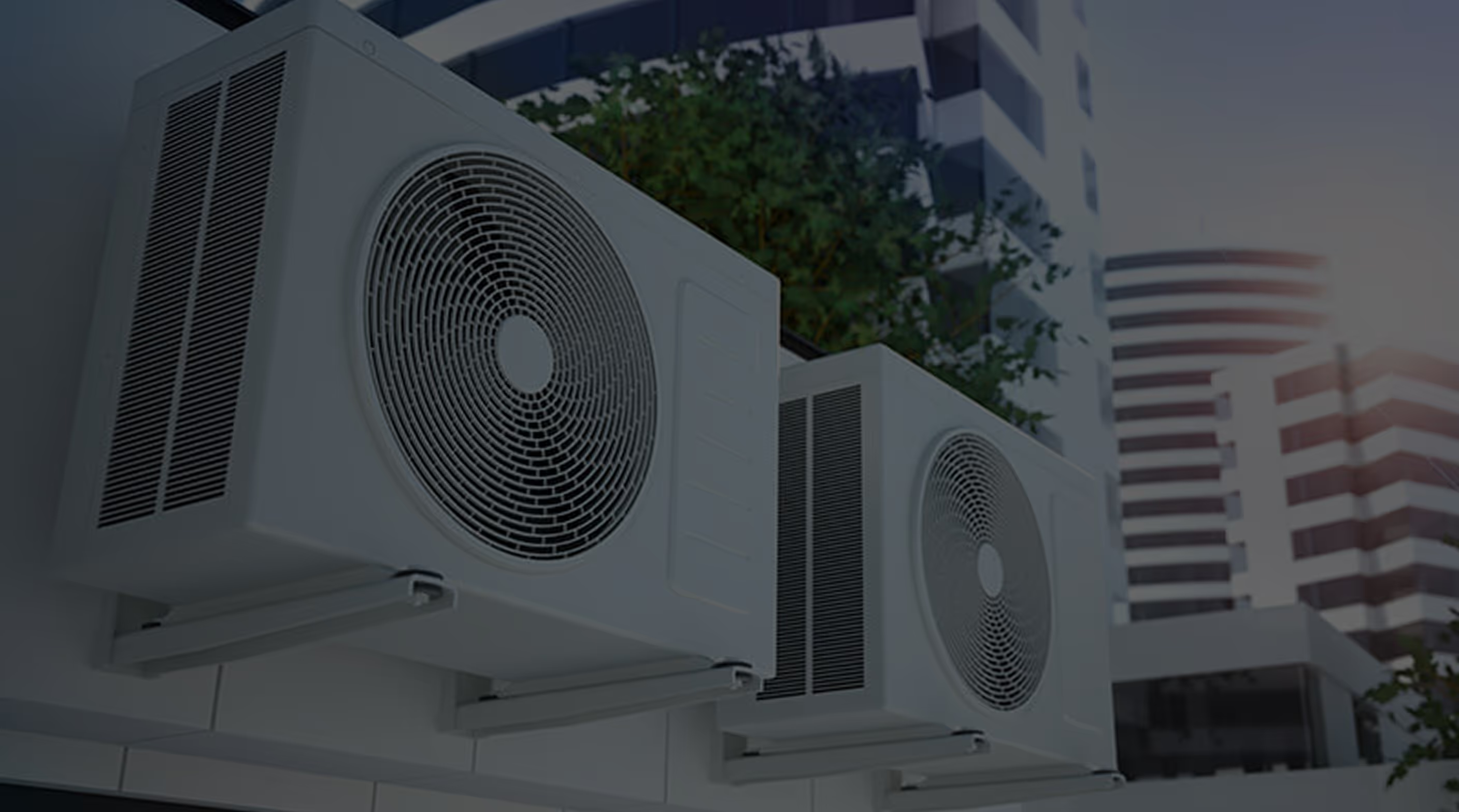
Air Conditioning Tune-Up in San Mateo, CA
Plum HVAC's air conditioning tune-ups in San Mateo, CA help maintain reliability and efficiency by addressing seasonal wear, coastal moisture, and local climate patterns. Plum HVAC outlines what a complete tune-up covers, from visual inspection and coil cleaning to thermostat calibration and condensate maintenance, and explains how technicians diagnose issues and perform safety checks. We also cover typical duration and cost factors, scheduling tips, maintenance best practices, and the long-term value of regular professional service from Plum HVAC for durable, energy-efficient cooling.
.jpeg)
Air Conditioning Tune-up in San Mateo, CA
Keeping your air conditioner running reliably and efficiently is essential for comfort and lower energy bills in San Mateo, CA. A professional air conditioning tune-up prepares your system for seasonal demand, prevents breakdowns during heat spells, and addresses issues caused by coastal air and local climate patterns. This page explains what a complete AC tune-up includes, common problems in San Mateo homes, how technicians diagnose and service systems, typical duration and cost factors, and practical scheduling and maintenance advice.
Why a seasonal AC tune-up matters in San Mateo
San Mateo has a mild Mediterranean climate with cool coastal mornings, occasional summer heat spikes, and higher humidity near the bay. Those conditions mean:
- Systems work intermittently through the year and can accumulate dirt and moisture buildup.
- Salt and moisture in bay air can accelerate corrosion on outdoor units and electrical components.
- Periods of high demand during heat waves increase the risk of failures if the system is not maintained.
A seasonal tune-up reduces the risk of unexpected breakdowns, improves cooling performance during heat events, and helps control energy use in an area with relatively high electricity costs.
Common AC problems in San Mateo homes
- Reduced cooling capacity during summer heat spikes
- Short cycling (system turns on and off frequently)
- Frozen evaporator coils from poor airflow or refrigerant issues
- Condensate drain clogs causing water leaks or microbial growth
- Corroded outdoor components from coastal moisture
- Thermostat drift or inaccurate temperature control
- Higher-than-normal energy bills due to dirty coils or poor system tuning
What a professional AC tune-up includes
A full professional tune-up covers inspection, cleaning, testing, and minor adjustments. Key items typically included in the inspection checklist:
- Visual inspection of the outdoor unit and indoor air handler
- Check for corrosion, rust, and debris around the condenser
- Inspect cabinet seals and mounting for stability
- Coil cleaning
- Clean outdoor condenser coil and indoor evaporator coil to restore heat transfer
- Remove leaves, dirt, and build-up that reduce efficiency
- Air filter inspection and replacement recommendation
- Assess filter condition and advise on replacement frequency for current home usage
- Blower and airflow checks
- Measure airflow and inspect blower wheel and motor for dust or imbalance
- Verify duct connections for visible leaks or obstructions
- Lubrication
- Lubricate motors and moving parts where applicable to reduce wear and noise
- Refrigerant check and pressure test
- Check refrigerant level and pressures for proper charge
- Inspect for signs of leaks and recommend repairs if needed
- Electrical safety checks
- Inspect capacitors, contactors, fuses, and wiring for wear, tightness, and safe operation
- Test system startup and shutdown sequence for electrical irregularities
- Thermostat calibration
- Verify thermostat accuracy and settings, recalibrate or recommend replacement if needed
- Condensate drain inspection and cleaning
- Clear blockages, verify proper drainage, and treat microbial growth if present
- Operational performance test
- Run system through a complete cooling cycle and measure airflow, temperature split, and run-time behavior
How technicians diagnose and fix issues
Technicians use a combination of visual inspection, simple measurements, and targeted adjustments:
- Start with observable conditions: outdoor unit cleanliness, filter status, and thermostat settings.
- Measure temperature differential across the evaporator to evaluate cooling performance.
- Check refrigerant pressures when indicated by symptoms to identify undercharge or leaks.
- Test electrical components with meters to find failing capacitors or contactors.
- Clean coils and drains, then retest system performance to confirm improvement.
- Recommend necessary repairs or component replacements when safety or performance issues are found.
Technicians will explain findings in plain language and note whether the issue requires immediate repair or can be monitored.
Typical duration and cost considerations
- Duration: A standard tune-up for a central split system usually takes about 45 minutes to 2 hours depending on system type, access, age, and whether additional cleaning or diagnostics are required.
- Cost factors: Instead of fixed prices, expect variation tied to:
- System type (central forced-air, packaged units, ductless mini-splits)
- System age and condition
- Accessibility of equipment and ductwork
- Need for refrigerant top-off or component replacements
- Local labor rates and any required permits for larger repairs
Technicians commonly provide a clear estimate for repairs found during the tune-up. Regular tune-ups often reduce long-term repair costs by catching issues early.
When to schedule and tune-up frequency
- Best time: Schedule a tune-up in spring before the primary cooling season to ensure reliable operation during summer heat waves.
- Frequency: Annual tune-ups are standard for most homes. Homes with heavy use, pets, or higher dust loads may benefit from twice-yearly checks. Ductless mini-split systems also require annual attention though procedures differ slightly.
Maintenance tips for San Mateo homes
- Replace or clean filters every 1 to 3 months depending on occupancy and pets.
- Keep at least two feet of clearance around outdoor units and clear plant growth and debris.
- Monitor for signs of reduced performance such as longer cooling cycles or warm spots.
- Keep condensate lines free and check for any indoor water stains near the air handler.
- Consider a seasonal checklist aligned with local conditions: spring tune-up, mid-summer performance check if there is heavy use, and post-fire-season inspection if there has been smoke exposure in the area.
The long-term value of regular tune-ups
Regular professional AC tune-ups improve system reliability, reduce energy use, and extend equipment life. In San Mateo, where coastal moisture, occasional heat spikes, and regional energy costs affect performance and expense, seasonal maintenance provides peace of mind and predictable comfort. Properly maintained systems run cleaner, quieter, and more efficiently, helping you avoid emergency repairs during the hottest days of the year.
hear what our satisfied clients have to say

.svg)
Service areas
.avif)