
Air Conditioning Tune-Up in Milpitas, CA
Milpitas residents can maintain comfort and protect their cooling systems with a comprehensive annual air conditioning tune-up from Plum HVAC. Our service follows a detailed checklist to restore peak efficiency, verify safe operation, and identify issues before costly repairs. The procedure addresses dusty filters, dirty coils, refrigerant checks, belt and motor inspections, thermostat calibration, and airflow testing, with clear notes and recommended next steps. Regular tune-ups by Plum HVAC prolong equipment life, improve efficiency, reduce emergency repairs, and support consistent indoor comfort during hot summers in the Bay Area.
Air Conditioning Tune-up in Milpitas, CA
An annual air conditioning tune-up in Milpitas, CA keeps your home comfortable during hot Bay Area summers while protecting your system from avoidable failures and high energy bills. A focused tune-up is a targeted, professional inspection and maintenance visit that goes beyond a quick check: technicians follow a standardized checklist to restore peak performance, verify safe operation, and catch issues before they become costly repairs. For Milpitas homes, where summer heat spikes and dust from urban and inland sources can reduce efficiency, regular tune-ups deliver measurable comfort, reliability, and savings.
Why an AC tune-up matters for Milpitas homes
- Milpitas often sees warm, dry summers and occasional inland heat waves that put heavy load on air conditioners. Systems that are poorly maintained struggle to keep up, leading to higher energy use and uneven cooling.
- Local dust, pollen, and road grit accumulate in filters and coils faster than many homeowners expect. Clogged components reduce airflow and stress motors and compressors.
- Energy costs in the Bay Area make efficiency a priority. A well-tuned AC runs less and performs better, reducing monthly utility bills.
- Preventive maintenance reduces emergency breakdowns during peak demand months when repair wait times are longer.
Common AC problems in Milpitas and why tune-ups prevent them
- Reduced airflow from clogged filters and dirty evaporator or condenser coils.
- Refrigerant leaks or low charge that cause poor cooling and compressor strain.
- Worn belts, dirty motors, and failing capacitors that lead to noisy operation or sudden failure.
- Thermostat drift or calibration issues causing temperature swings and short cycling.
- Drain line clogs that result in indoor water damage and mold risk.
Standard air conditioning tune-up checklist
A full tune-up follows a step-by-step process so nothing is overlooked. Typical items include:
- Filter change or inspection and replacement (as needed)
- Coil cleaning - evaporator and condenser coils cleaned of dust and debris
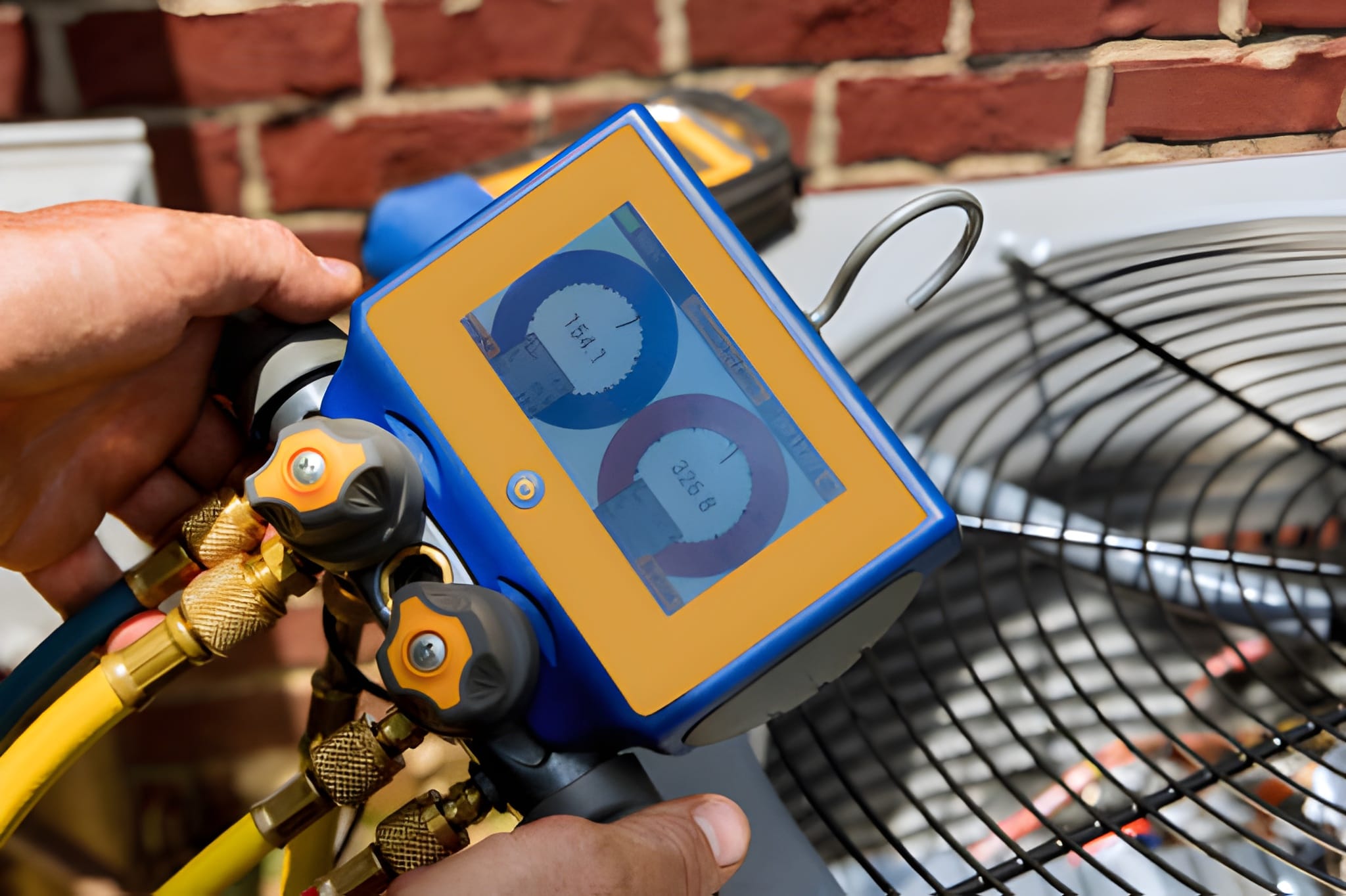
- Refrigerant check - verify charge level and inspect for leaks
- Belt and motor inspection - check belts, bearings, and electrical connections
- Thermostat calibration and control system check
- Airflow testing - measure supply and return airflow and static pressure
- Electrical safety checks - tighten wiring, test capacitors, contactors, and breakers
- Condensate drain inspection and clearing to prevent backups
- System performance test - measure temperature drop and run-cycle behavior
- Record keeping - document findings and recommended repairs
Each step targets a common failure point and restores reliable, efficient operation.
What technicians diagnose and why it matters
- Filter condition: Dirty filters restrict airflow, forcing the blower to work harder and reducing indoor air quality. Replacing filters during the tune-up is a quick, high-impact improvement.
- Coil cleanliness: Dust and grime on coils insulate heat transfer surfaces, lowering capacity. Cleaning coils improves cooling output and decreases runtime.
- Refrigerant levels: Both overcharge and undercharge impair performance. Measuring refrigerant and checking for visible leaks protects the compressor from damage and ensures correct cooling.
- Motor and belt health: Loose belts and worn motors create noise and inefficiency. Identifying wear early avoids sudden failures during warm spells.
- Thermostat accuracy: A miscalibrated thermostat can short cycle the system or keep it running too long. Calibration ensures your setpoint matches actual room temperature.
- Airflow: Technicians measure airflow to detect duct restrictions, closed vents, or failing blowers. Proper airflow is critical for even comfort and preventing freeze-ups.
Expected duration and what to prepare for
- Typical tune-up duration: 60 to 90 minutes for a standard central AC system. Systems that require deeper cleaning or repairs may take longer.
- Most work is performed at the outdoor condenser and indoor air handler/evaporator. Technicians will need brief access to the thermostat and filter media.
- You can expect clear notes about any issues found and recommended next steps. Routine tune-ups often include simple replacements like filters and minor adjustments performed on site.
Seasonal timing recommendations for Milpitas
- Best time: Spring (March to May). Performing a tune-up before the first hot spell ensures reliable cooling when you need it most.
- Secondary time: Early fall (September) after peak season can be a good time for a post-summer inspection to catch wear from heavy use.
- Avoid waiting until the hottest days: emergency repair response times can be longer during heat waves and parts may be less available.
Performance and safety checks included
- Safety switches and electrical integrity: Verifying that safety cutouts, fuses, and breakers operate correctly reduces fire and shock risk.
- Compressor health: Listening and testing for signs of compressor stress that could indicate imminent failure.
- Refrigerant leak detection: Early detection prevents environmental release and loss of cooling capacity.
- Condensate management: Ensuring drains flow freely prevents water damage and mold growth in the home.
- Carbon monoxide risk: For systems combined with gas furnaces or shared ventilation, ensuring proper combustion and venting reduces CO hazards.
Benefits of regular tune-ups for performance and longevity
- Improved efficiency: A tuned system delivers more cooling per kilowatt hour, lowering energy use and monthly bills.
- Extended equipment life: Reducing strain on components helps the compressor, blower, and motors last longer, delaying replacement costs.
- Fewer emergency repairs: Identifying small issues early prevents major breakdowns during peak demand.
- Better indoor air quality: Clean filters and coils reduce dust, pollen, and microbial buildup circulating through the home.
- Consistent comfort: Proper calibration and airflow balance eliminate hot spots and keep your home at a stable temperature.
- Warranty compliance: Many manufacturers require periodic maintenance to keep warranties valid; documented tune-ups satisfy this requirement.
Maintenance tips between tune-ups
- Replace or clean filters every 1 to 3 months depending on use and indoor air conditions.
- Keep the outdoor condenser clear of debris, weeds, and compacted soil to maintain airflow.
- Seal and insulate accessible duct connections to prevent loss of cooled air.
- Monitor your thermostat and listen for unusual noises; address changes quickly to avoid cascading damage.
A professional air conditioning tune-up in Milpitas, CA is a cost-effective way to protect comfort, efficiency, and the lifespan of your cooling system. Regular maintenance pays off through lower operating costs, fewer service emergencies, and more consistent indoor comfort during the hottest months.
hear what our satisfied clients have to say

.svg)
Service areas
.avif)