
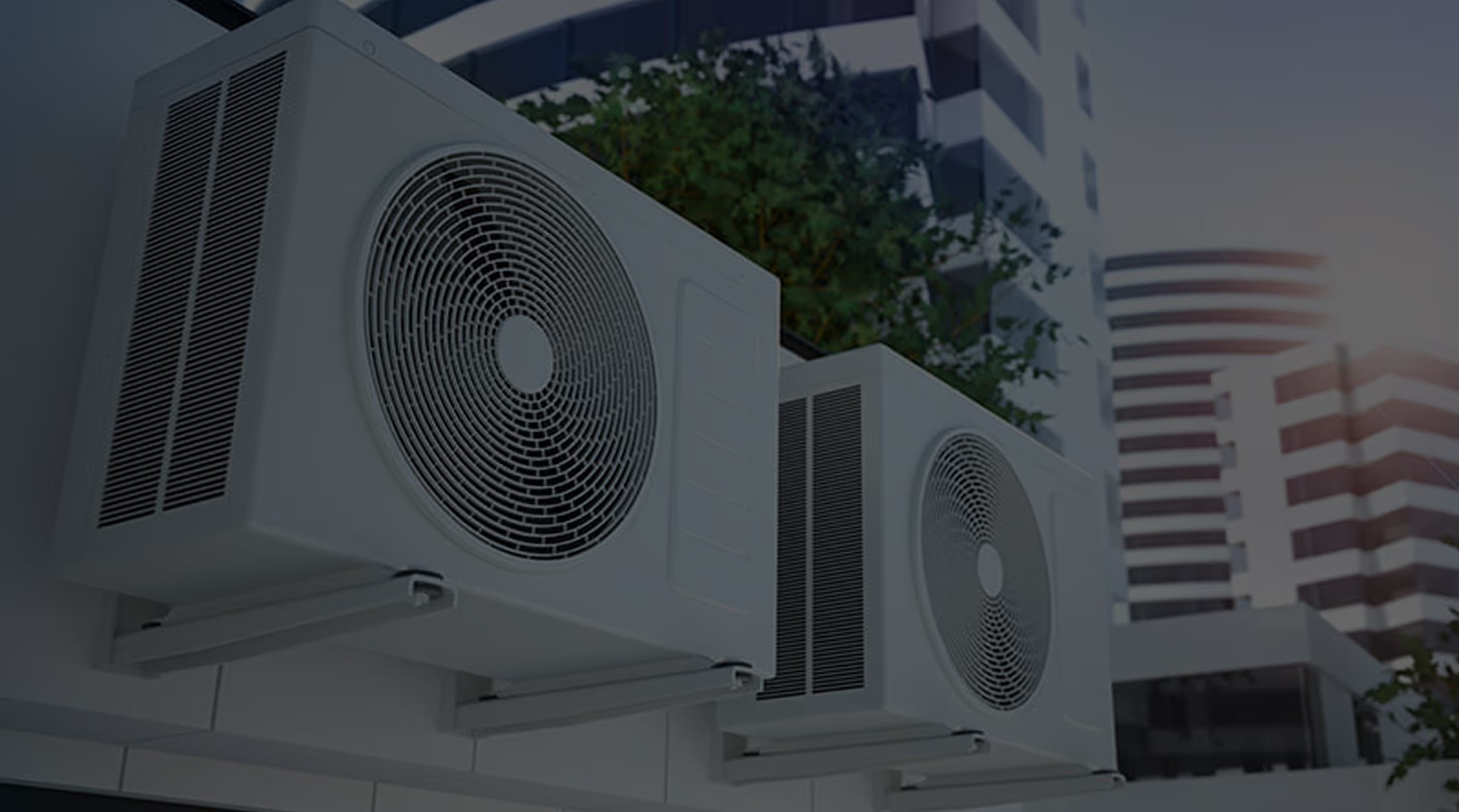
Air Conditioning Replacement in Milpitas, CA
Air conditioning replacement in Milpitas, CA with Plum HVAC involves a thorough on-site evaluation, precise load calculations, and right-sizing to ensure a properly matched, energy-efficient system. Our process covers system evaluation, duct design, permits, and inspections, with focus on efficiency, indoor air quality, and long-term reliability. From selecting high-SEER models and heat pumps to coordinated installation and post-install performance testing, Plum HVAC delivers compliant permits, proper refrigerant handling, and a clear path to reduced energy bills and improved comfort.
.jpeg)
Air Conditioning Replacement in Milpitas, CA
Upgrading to a new, properly sized air conditioning system is one of the most effective ways to improve comfort, lower energy bills, and reduce emergency repairs in Milpitas homes. Whether your existing unit is 10–15 years old, struggling to keep up during recent heat waves, or failing frequently, a full air conditioning replacement restores reliable cooling, improves indoor air quality, and can qualify you for local and federal incentives. This page explains the replacement process, what to expect in Milpitas, and the long‑term benefits of making the switch.
Common reasons Milpitas homeowners replace their AC
- Unit age and repeated breakdowns: systems older than 10 years commonly lose efficiency and require costly repairs.
- Rising energy bills: older equipment with low SEER ratings costs more to run in Bay Area summers.
- Insufficient cooling: undersized systems or degraded components struggle during heat spikes.
- Refrigerant leaks and environmental compliance: older refrigerants may be phased out or require costly service.
- Poor indoor air quality or noisy operation: modern systems improve filtration and reduce sound.
- Home upgrades or renovations: new insulation, added living space, or duct modifications often require right-sizing.
System evaluation, load calculations, and right‑sizing
A successful replacement begins with a thorough on‑site evaluation and accurate load calculation. In plain terms:
- We assess your current equipment, ductwork, insulation, windows, and typical occupancy patterns.
- A Manual J load calculation determines the actual cooling capacity your home needs, taking Milpitas climate patterns into account (hot afternoons and occasional heat waves).
- Manual D (duct design) and Manual S (equipment selection) principles are used to ensure the new system will deliver balanced airflow, correct refrigerant charge, and reliable performance.
Right‑sizing prevents the two common mistakes: oversized units that short‑cycle (causing humidity problems and premature wear) and undersized units that run continuously without achieving comfort.
Energy‑efficient model choices and what to consider
In Milpitas, efficiency matters because summer cooling demand and local electric rates make operating cost a key consideration. Common options:
- High‑SEER split systems: offer lower operating costs and quieter operation.
- Heat pumps: provide efficient heating and cooling with excellent dehumidification—an attractive choice as California shifts toward electric systems.
- Variable‑speed compressors and variable‑capacity air handlers: improve comfort by running longer at lower speed, reducing temperature swings and improving humidity control.
- Upgraded filtration and UV or electronic air cleaners: improve indoor air quality, important for families with allergies or for homes near busy roads.
When selecting equipment, we compare seasonal efficiency ratings (SEER/HSPF), long‑term reliability, and compatibility with your duct system and thermostat. We also consider local incentive programs and manufacturer warranty terms.
Permits, inspections, and regulatory compliance in Milpitas
Replacing central air systems in Milpitas typically requires permits and final inspections through the City of Milpitas building department. Permit work ensures safety, proper refrigerant handling, and code‑compliant electrical and mechanical installations. Key points:
- Permit coordination includes submission of equipment specifications and load calculations when required.
- Refrigerant recovery and disposal must follow EPA regulations and California guidelines—licensed technicians recover refrigerant and provide proper documentation.
- Electrical upgrades or panel work may trigger additional permitting or inspections.
Coordinated permitting reduces the chance of delays at final inspection and ensures your new system meets local codes.
Removal and disposal of old equipment
Old condensers, air handlers, and refrigerant lines are removed and recycled or disposed of according to state and federal requirements. This includes:
- Safe recovery of refrigerant and recycling through certified methods.
- Recycling metal components and disposing of non‑recyclable materials responsibly.
- Cleaning and sealing duct penetrations or replacing damaged ductwork discovered during removal.
Proper disposal protects the environment and prevents future problems related to poor salvage practices.
Typical installation timeline and what affects it
Most straightforward replacements for single‑family homes in Milpitas are completed in 1 to 3 days. Factors that influence the timeline include:
- Complexity of matching the new condenser to existing indoor equipment or installing a matched system.
- Ductwork repairs, insulation upgrades, or electrical panel work.
- Permitting and inspection scheduling with the city.
- Additional upgrades such as thermostat replacement, refrigerant line replacement, or adding a drain pan.
Installations are staged: pre‑installation assessment, equipment delivery, system removal, mechanical and electrical installation, refrigerant charging, and final airflow and performance checks.
Financing and warranty options
Financing and warranty choices help protect your investment and spread costs:
- Manufacturer warranties typically cover compressors and major components for a set term; extended warranties and labor coverage can be available.
- Many homeowners consider financing plans to spread costs over time while benefiting immediately from higher efficiency.
- Rebates and incentives—available through utilities and government programs—can improve payback on higher‑efficiency equipment. Eligibility varies, so documentation and proper equipment selection are important for rebate qualification.
Post‑install performance testing and documentation
After installation, comprehensive performance testing confirms the system operates as intended:
- Verification of correct airflow, refrigerant charge, and electrical connections.
- Calibration of thermostat controls and system sequencing.
- Measurement of temperature split and basic energy performance indicators.
- Demonstration of system operation and maintenance recommendations for homeowners.
You should receive a summary of the load calculation, equipment specifications, warranty paperwork, and any permit/inspection records for your files.
Long‑term benefits and maintenance advice for Milpitas homes
Upgrading your air conditioning system yields measurable benefits:
- Lower monthly cooling costs through higher SEER or heat pump efficiency.
- More consistent comfort and better humidity control during Milpitas warm spells.
- Reduced emergency repairs and longer equipment life.
- Improved indoor air quality and quieter operation.
- Potential eligibility for rebates or tax incentives that offset upfront cost.
For sustained performance, schedule annual tune‑ups, clean or replace filters quarterly, and inspect outdoor condensers for debris. Proper maintenance preserves efficiency and keeps warranty coverage intact.
Replacing an aging or undersized air conditioner is both a comfort and a financial decision—especially in Milpitas where summer heat, energy costs, and modern home usage patterns make system efficiency important. A planned, professionally executed replacement with correct load calculations, code‑compliant permits, and thorough testing ensures your home stays cool, efficient, and reliable for years to come.
hear what our satisfied clients have to say

.svg)
Service areas
.avif)