
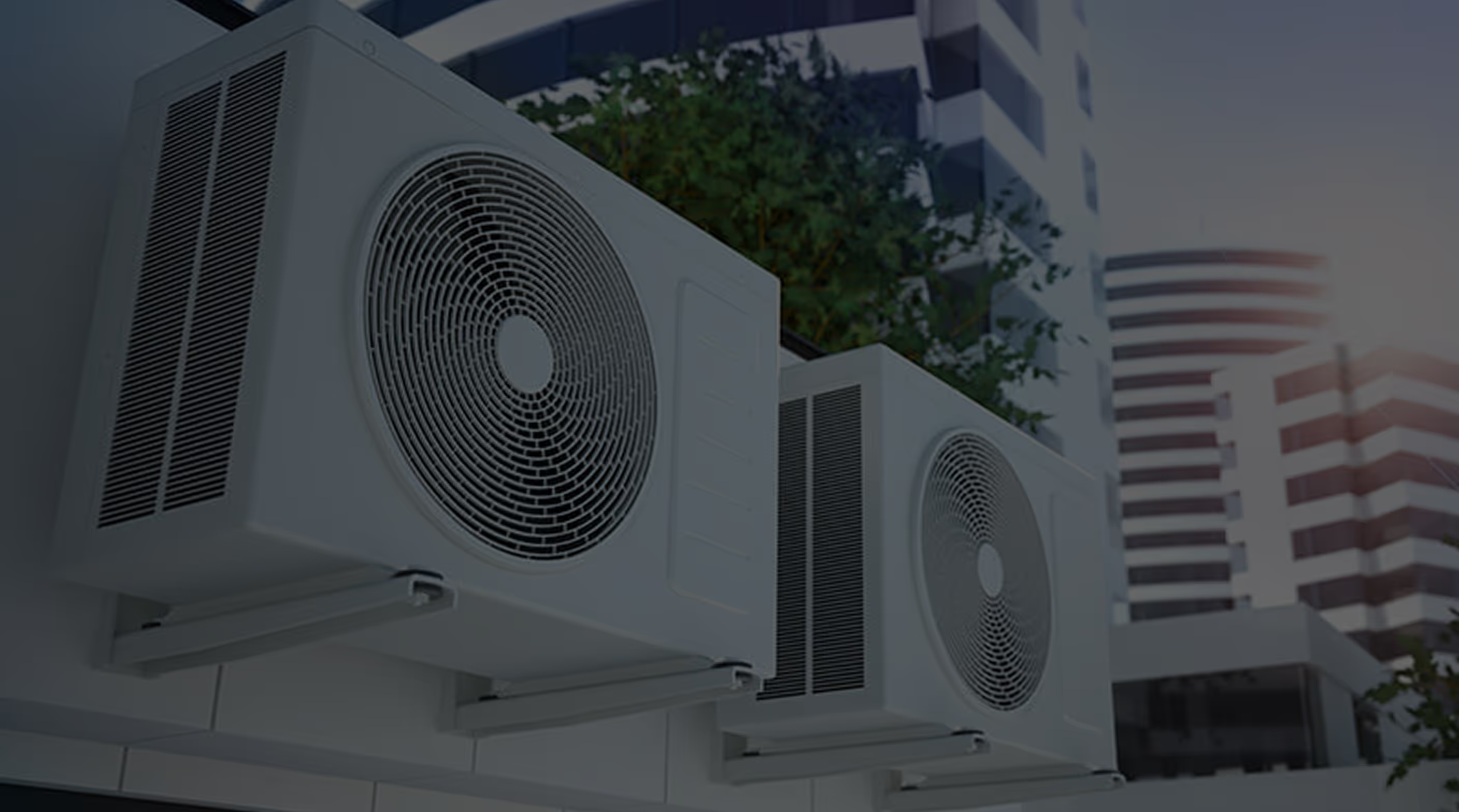
Air Conditioning Replacement in Palo Alto, CA
Air conditioning replacement in Palo Alto, CA delivers improved comfort, lower energy costs, and long-term reliability by guiding homeowners through a full, on-site evaluation, proper sizing, and equipment selection. Plum HVAC covers permit coordination, safe removal of old units, professional installation, refrigerant handling, and final commissioning, with rebates and financing options to reduce upfront costs. Ongoing maintenance and warranties from Plum HVAC ensure performance, while timing, code requirements, and local climate are considered for predictable results and ongoing comfort.
.jpeg)
Air Conditioning Replacement in Palo Alto, CA
Replacing an aging or underperforming air conditioning system in Palo Alto, CA is about comfort, safety, and long-term energy savings. With warm, dry summers and periodic heat waves, an efficient AC keeps your home comfortable while lowering electric bills and reducing strain on existing ductwork and electrical systems. This page explains the full AC replacement process in Palo Alto, from evaluation and equipment selection through permits, removal, installation, rebates, timeline expectations, and warranty considerations so you can make an informed, low-risk decision for your home.
Why replace your AC now? Common issues in Palo Alto homes
- Uneven cooling or persistent hot spots caused by undersized equipment, duct leaks, or failing compressors.
- Rising energy bills as older systems lose efficiency or use outdated refrigerants.
- Frequent breakdowns and high repair costs that make replacement more economical than ongoing fixes.
- Old refrigerants or failing components that are being phased out and may not be serviceable.
- Compliance and safety concerns: older electrical connections, improper venting, or ductwork that fails current code or decreases indoor air quality.
Types of replacements to consider
- Full system replacement (package or split systems): Replacing both outdoor condenser and indoor air handler or furnace. Best when equipment is over 10–15 years old.
- Condenser-only replacement: When indoor equipment is newer and compatible with a modern condenser.
- Ductless mini-split systems: For rooms without ductwork, additions, or when selective zoning is desired.
- Heat pumps: A highly efficient alternative in California climate, providing both cooling and heating with lower operating costs.
System evaluation and proper sizing
A reliable replacement begins with an on-site evaluation and a professional load calculation. Key steps include:
- Manual J load calculation to determine the correct capacity based on house size, insulation, windows, orientation, occupancy, and Palo Alto microclimate factors. Oversized units cause short-cycling; undersized units fail to meet comfort demands.
- Ductwork inspection for leaks, insulation, and proper airflow. Poor ducts often negate benefits of a new high-efficiency unit.
- Electrical review to confirm panel capacity and circuit protection meet modern unit requirements and local code.
- Indoor air quality needs, including filtration upgrades or ventilation to address allergens and Bay Area air quality events.
Equipment selection and energy-efficiency comparisons
When choosing new equipment, weigh efficiency, longevity, and compatibility.
- SEER (Seasonal Energy Efficiency Ratio) and HSPF ratings matter: higher SEER means lower seasonal cooling costs in Palo Alto’s hot months. Modern systems commonly range from 14 to 26+ SEER.
- Variable-speed compressors deliver quieter operation, better humidity control, and energy savings versus single-stage compressors.
- Refrigerant considerations: Newer systems may use lower global warming potential refrigerants; discuss long-term serviceability and environmental impact with your contractor.
- Matched systems ensure indoor and outdoor units are designed to work together for warranty and performance.
Removal and disposal of existing units
Proper removal protects your home and the environment:
- EPA-compliant refrigerant recovery must be performed by certified technicians to prevent illegal releases.
- Safe disconnection of electrical and gas lines where applicable.
- Responsible disposal and recycling of metals and components according to California and local Palo Alto disposal regulations.
- Salvage considerations such as reusing compatible components when appropriate.
Installation steps and permit coordination
A typical replacement follows these stages:
- Final equipment selection and permit submission: Many replacements in Palo Alto require building permits, electrical permits, and sometimes mechanical permits. Permit processing times vary by jurisdiction.
- Pre-install prep: Delivery scheduling, site protection, and any planned duct or electrical upgrades.
- System installation: Removing old equipment, installing new condenser and indoor unit, refrigerant charging, sealing ductwork, and connecting controls. Most straightforward replacements take 1–3 days of on-site work.
- Inspection and final commissioning: City or county inspection as required, metering and system start-up, and a walk-through of system operation.
- Documentation: Final paperwork for permits, rebates, and warranties.
Permit coordination in Palo Alto typically involves complying with local building codes, energy efficiency standards, and potentially Title 24 considerations for larger retrofits. Licensed contractors generally handle permit submittal and scheduling with the city.
Rebates, incentives, and financing options
Palo Alto homeowners often qualify for various incentives that lower upfront costs:
- Local utility rebates and state programs frequently reward high-efficiency equipment and qualifying heat pumps.
- Federal tax credits or state incentives may be available for certain energy-efficient upgrades—check current program rules for eligibility.
- Financing options like HVAC loans or energy-efficiency financing programs (including PACE-like programs where available) can spread costs over time.
Discuss eligibility and application timing early in the replacement process so rebates are applied correctly.
Timeline expectations
- Initial evaluation and proposal: 1–7 days depending on scheduling.
- Permit approval: Typically 1–3 weeks, but can be longer during busy seasons or complex permits.
- Physical installation: 1–3 days for standard replacements; more for duct modifications, multiple zones, or home upgrades.
- Total project time from decision to completed system is often 2–6 weeks, variable with permit speed and equipment availability.
Warranties and long-term performance
- Manufacturer warranties typically cover compressors and major components for 5–10 years or more depending on the model and registration.
- Labor warranties from installers protect against workmanship issues for a specified period; verify length and coverage before proceeding.
- Maintenance plans extend system life and preserve warranties. Annual tune-ups, filter changes, and periodic coil cleaning keep efficiency high and reduce failure risk.
Benefits and practical maintenance advice
A properly designed and installed replacement brings:
- Improved comfort with more consistent temperatures and better humidity control during Palo Alto summers.
- Lower operating costs through higher SEER/HSPF ratings and variable-speed technology.
- Reduced repair risk and better indoor air quality when combined with duct sealing and filtration upgrades.
- Environmental benefits from lower energy use and newer refrigerants.
Simple homeowner maintenance tips:
- Change or clean filters every 1–3 months.
- Keep outdoor condenser clear of debris and vegetation.
- Schedule annual professional tune-ups in spring to ensure peak summer performance.
- Monitor thermostat settings and consider programmable or smart thermostats for added efficiency.
Replacing an AC system in Palo Alto involves more than swapping hardware; it requires proper sizing, code compliance, and attention to local climate and incentive programs. A well-planned replacement delivers lasting comfort, predictable energy costs, and peace of mind for your home.
hear what our satisfied clients have to say

.svg)
Service areas
.avif)