
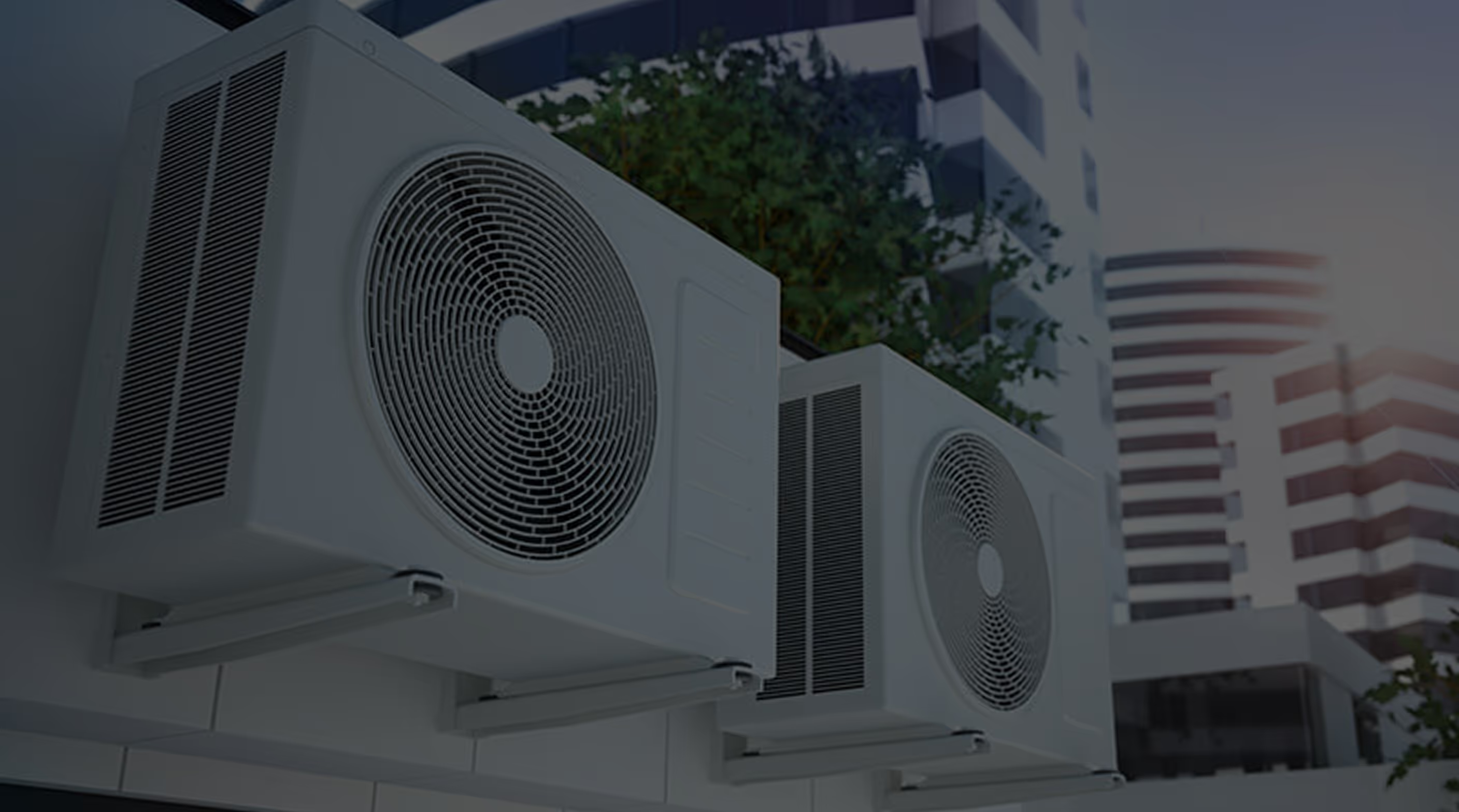
Air Conditioning Repair in San Bruno, CA
Plum HVAC offers a comprehensive look at air conditioning repair in San Bruno, CA, addressing diagnostics, on-site troubleshooting, and practical solutions tailored for coastal climate challenges. Common issues such as compressor failures, refrigerant leaks, electrical problems, and dirty coils are detailed, along with expected repair timelines, emergency response options, and Plum HVAC warranty considerations. We also highlight technician qualifications, safety standards, and guidance on when replacement is the better choice. Additionally, maintenance tips are provided to help extend system life and optimize performance, giving homeowners clear expectations for planning repairs with confidence.
.jpeg)
Air Conditioning Repair in San Bruno, CA
Living and working in San Bruno means relying on dependable air conditioning that handles coastal humidity, morning fog, and occasional heat spikes. Whether you manage a single-family home, a duplex, or a light-commercial space, timely diagnostic and repair services keep systems efficient, safe, and lasting. This page explains common air conditioning failure modes in San Bruno, what technicians do during on-site troubleshooting, typical repairs and warranty considerations, response options for emergencies, how technicians are qualified, and when replacement is the smarter choice.
Why timely AC repair matters in San Bruno
San Bruno’s mild but moist coastal climate and proximity to the bay accelerate corrosion on outdoor units and create conditions where refrigerant leaks, clogged coils, and electrical faults become more common. Left unrepaired, small problems lead to higher utility bills, reduced comfort, and greater risk of breakdown during warm stretches. Prompt, accurate repair restores performance, protects indoor air quality, and preserves equipment value.
Common air conditioning problems in San Bruno
- Compressor problems: Hard starts, short cycling, or a unit that won’t cool often point to compressor or motor issues, sometimes caused by salt-corrosion or poor airflow.
- Refrigerant leaks: Corrosion of tubing or fittings and older systems using phased-out refrigerants can produce low refrigerant levels and reduced cooling capacity.
- Electrical faults: Corroded contacts, failed capacitors, and tripped breakers are common in coastal settings where moisture affects connections.
- Dirty or restricted coils and filters: Coastal dirt, pollen, and humidity cause coils to foul faster, degrading heat transfer and system efficiency.
- Thermostat and control failures: Sensors, thermostats, and control boards can malfunction, causing inconsistent comfort or system shutdowns.
- Drainage and condensate issues: Clogged drain lines or pans lead to water damage and can trip safety switches that shut the system down.
On-site troubleshooting and diagnostic process
Technicians follow a systematic diagnostic workflow to pinpoint the root cause rather than merely addressing symptoms:
- Visual inspection of indoor and outdoor units for corrosion, damage, and airflow restrictions.
- Electrical testing of capacitors, contactors, breakers, and control boards with appropriate meters.
- Refrigerant system check: measuring pressures and temperatures, and performing leak detection when needed.
- Airflow assessment: checking filters, blower operation, duct pressure, and evaporator coil condition.
- Operational testing: starting the system through several cycles to observe behavior and confirm faults.
- Clear, written findings: technicians explain discovered issues, likely causes, recommended repairs, parts needed, and an estimated timeline to complete the work.
Typical repairs and parts replacement
- Capacitor and contactor replacement to restore reliable starts and electrical control.
- Compressor repair or replacement when motors fail or internal damage occurs. In many cases compressor replacement is considered only after evaluating overall system age and condition.
- Refrigerant leak repair and recharge when leaks are repairable; for older systems using phased-out refrigerants, technicians will advise compliant retrofit options.
- Condenser coil cleaning or replacement where corrosion or physical damage impairs heat transfer.
- Blower motor and belt repair/replacement for airflow restoration.
- Control or thermostat replacement for modern, programmable, or more accurate comfort control.
Parts are matched to system make and model to maintain performance and compatibility. Where manufacturer parts are required to preserve existing warranties, technicians will specify that requirement.
Warranty and parts information
- Manufacturer warranties: many compressors and major components carry manufacturer warranties that vary by brand and component; understanding the original system warranty helps determine repair options.
- Aftermarket parts: quality aftermarket components are often available and can be warranted by the installer.
- Labor warranties: reputable service providers typically offer a limited labor warranty on repairs; common industry practice is to provide coverage for a defined period after work is completed.
Technicians will document which parts are under factory warranty and which are covered under any labor warranty provided for the repair.
Emergency and rapid-response repairs
Emergency situations include complete system failure on unusually hot days, electrical hazards like burning smells or visible damage, and severe refrigerant loss with system shutdown. Rapid-response options commonly include:
- Same-day diagnostics for urgent failures.
- Priority scheduling for safety risks or business continuity needs in light-commercial spaces.
- Temporary fixes (e.g., bypassing a failed control or restoring airflow) to stabilize conditions until permanent repairs are completed.
Expect technicians to prioritize safety, isolate electrical issues, and provide an estimated repair timeline during an emergency visit.
Technician qualifications and safety standards
Qualified technicians for residential and light-commercial AC repair in San Bruno typically have:
- EPA Refrigerant Handling Certification (Section 608) for legal refrigerant work.
- Industry certifications such as NATE or equivalent training that demonstrate competency in diagnostics and repair.
- State contractor licensing where required for larger jobs (for California, appropriate HVAC classifications).
- Ongoing continuing education to stay current with evolving refrigerants, efficiency standards, and safety practices.
Technicians follow local codes and manufacturer service procedures and use proper safety gear and testing equipment.
When replacement is recommended instead of repair
Repair is usually preferable when the issue is isolated, the system is relatively new, and repairs restore reliability and efficiency. Consider replacement when:
- The system is old and approaching the end of its expected service life.
- Repairs are recurring or increasingly frequent.
- Major failures occur such as compressor burnout combined with other system age-related issues.
- The system uses obsolete refrigerants that require costly retrofits.
When replacement is advisable, technicians will explain the performance and efficiency benefits of modern systems and recommend options that suit San Bruno climate and building needs.
Expected timelines
- Diagnostic visits typically take 30 minutes to 2 hours depending on complexity.
- Minor repairs or parts replacements are often completed the same day when parts are available.
- Major component swaps (compressor, condenser coil) can require same-day to multi-day scheduling depending on parts procurement and system complexity.
Technicians will provide a realistic timeline after the diagnostic assessment.
Maintenance and preventive tips for San Bruno homes
- Schedule biannual tune-ups to catch corrosion, refrigerant loss, and airflow issues early.
- Keep outdoor units clear of debris and rinse coils periodically to limit salt buildup.
- Replace filters regularly and maintain proper airflow to protect compressor life.
- Consider a protective coating or rust-inhibiting options for outdoor coils in coastal installations.
Timely, informed repair preserves comfort, reduces energy waste, and helps avoid emergency failures. Accurate diagnostics, experienced technicians, and appropriate warranty handling are the foundations of reliable air conditioning repair in San Bruno, CA.
hear what our satisfied clients have to say

.svg)
Service areas
.avif)