
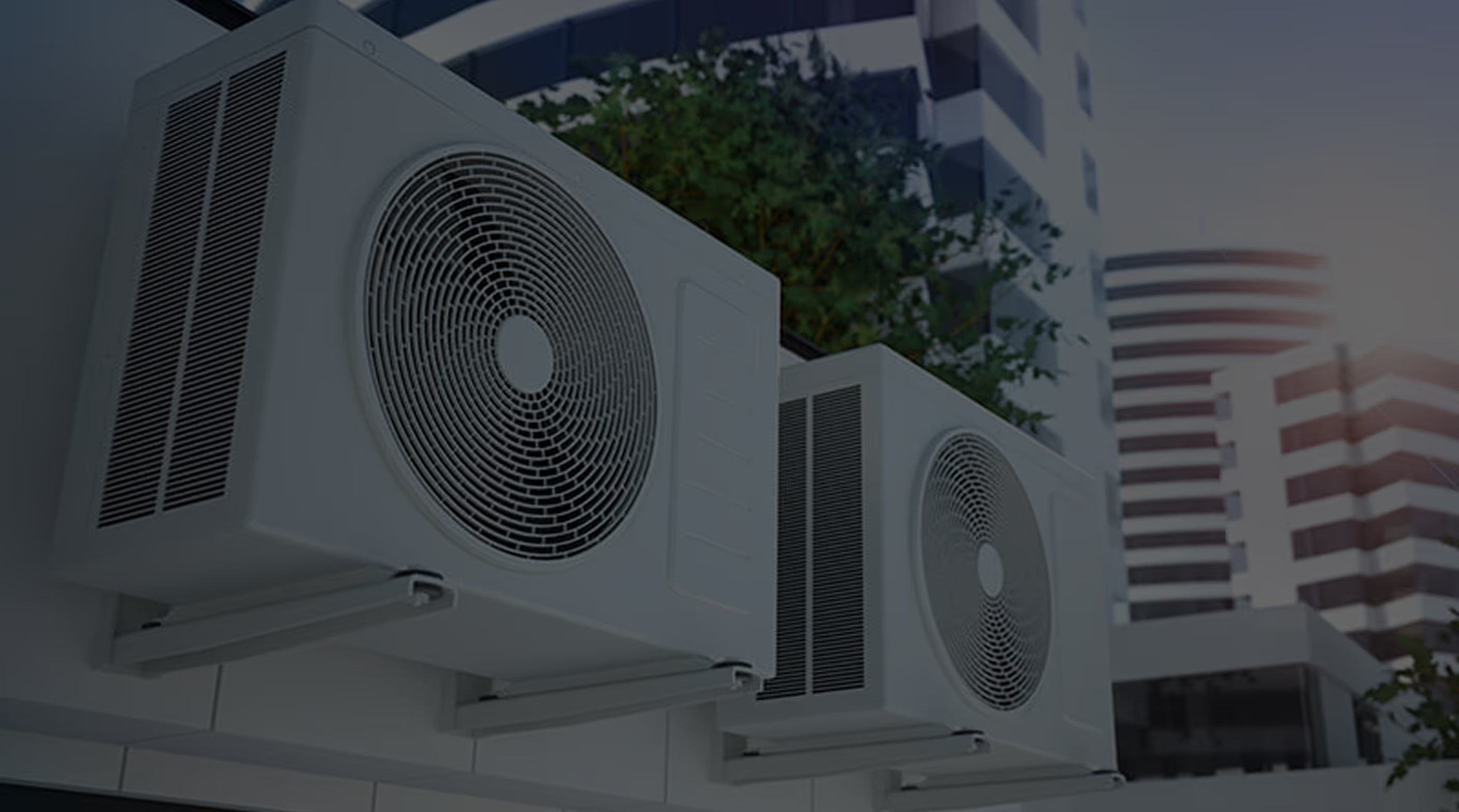
Air Conditioning Maintenance in Fremont, CA
Regular Plum HVAC air conditioning maintenance in Fremont, CA ensures reliable comfort through hot summers and variable air-quality events. We outline seasonal inspection checklists, what a single-visit tune-up covers, the value of ongoing maintenance plans, and practical, locally tailored tips. Our team explains diagnostic steps, common issues, and proactive prevention to reduce energy use, extend equipment life, and protect indoor air quality. By choosing a structured maintenance approach, homeowners gain greater system reliability and lower long-term repair costs with Plum HVAC.
.jpeg)
Air Conditioning Maintenance in Fremont, CA
Keeping your air conditioning running reliably through Fremont summers and unpredictable air-quality events starts with regular, professional maintenance. This page explains what thorough Air Conditioning Maintenance in Fremont, CA looks like: seasonal inspection checklists, what a single-visit tune-up covers, the structure and benefits of ongoing maintenance plans, and practical tips tailored to local weather and air-quality challenges.
Why regular AC maintenance matters in Fremont, CA
Fremont experiences warm, occasionally hot summers and cool, wet winters. Summer heat spikes and periodic poor air quality from wildfire smoke increase AC runtime and strain filters and coils. Regular maintenance improves energy efficiency, reduces unexpected breakdowns during heat waves, and extends equipment life. For Fremont homes—ranging from older bungalow neighborhoods to newer Silicon Valley-era construction—maintenance also helps protect electrical components from corrosion in areas closer to the bay and keeps indoor air healthier during wildfire and pollen seasons.
Common air conditioning maintenance issues in Fremont, CA
- Clogged or overly dirty air filters from seasonal pollen, dust, and smoke
- Reduced airflow due to blocked vents, dirty evaporator coils, or blower problems
- Low refrigerant levels from slow leaks or aging systems
- Faulty thermostat calibration leading to uneven temperatures
- Electrical wear: loose connections, failing capacitors, or worn contactors
- Condensate drain blockages causing water damage or system shutdowns
- Outdoor unit buildup: leaves, debris, and salt exposure in bay-adjacent areas
Seasonal inspection checklist (what technicians inspect)
A comprehensive seasonal inspection covers safety, efficiency, and performance:
- Visual inspection of outdoor condenser and indoor air handler
- Filter condition check and replacement or recommendation for correct MERV rating
- Cleaning of evaporator and condenser coils as needed
- Refrigerant pressure check and leak indicators review
- Airflow measurement and inspection of duct register balance
- Thermostat accuracy and programming verification
- Electrical safety checks: voltage, current draw, wiring, capacitors, and contactors
- Condensate drain and pan inspection and cleaning
- Fan motor lubrication and belt inspection where applicable
- System start-up, run-cycle observation, and performance verification
Technicians document findings, note parts that may need attention, and provide a clear explanation of recommended corrective actions.
What a single-visit AC tune-up includes
A one-time tune-up is ideal for pre-summer readiness or after heavy smoke events. Typical tune-up tasks include:
- Replace or inspect air filters and provide sizing guidance
- Clean condenser fins and straighten bent fins where necessary
- Vacuum and clean the evaporator coil surface
- Check refrigerant levels and pressure for performance issues
- Verify airflow and blower motor operation
- Test thermostat response and recalibrate if required
- Inspect electrical components and tighten connections
- Clear condensate drain and test float switches
- Perform a system performance test and record baseline readings
A single tune-up restores efficiency and uncovers issues early; the technician will flag any repairs or follow-up services that improve reliability.
What ongoing AC maintenance plans provide
Ongoing maintenance plans are structured to prevent emergencies and keep systems operating at peak efficiency. Typical elements of a comprehensive plan include:
- Scheduled biannual or annual inspections timed for pre-summer and pre-winter care
- Detailed inspection reports with prioritized recommendations
- Filter change reminders and preferred filter guidance for Fremont air-quality conditions
- Seasonal coil and condensate maintenance
- Refrigerant level monitoring and leak detection checks
- Regular electrical safety assessments
- Service records for warranty compliance and equipment history
For Fremont homeowners, plans often emphasize readiness for high-use summer months and air-quality events. Consistent maintenance reduces runtime, lowers utility costs, and helps avoid failures when temperatures rise.
Diagnostic and repair approach
When maintenance uncovers an issue, a typical diagnostic workflow includes:
- Confirming symptoms and reviewing system history
- Running targeted tests: refrigerant pressures, electrical load, airflow metrics
- Isolating faulty components (compressor, capacitor, fan motor, thermostat, leaks)
- Presenting repair options and expected outcomes in clear, non-technical terms
- Performing repairs with safety checks and post-repair performance verification
Documentation of diagnostic results and repairs becomes part of the system record, useful for future service and for maintaining warranty coverage.
Benefits of regular maintenance
- Improved energy efficiency and lower operating costs over time
- Greater system reliability during Fremont heat waves and smoke events
- Longer equipment life and better ROI on HVAC investments
- Earlier detection of refrigerant leaks or electrical problems
- Cleaner indoor air through proper filtration and coil cleaning
- Simplified warranty claims with documented service history
Practical maintenance tips for Fremont homeowners
- Replace or check filters monthly during heavy-use months and after wildfire smoke events. Use recommended MERV ratings that balance filtration and airflow.
- Keep outdoor condensers clear of landscaping, leaves, and debris; trim plants at least 2 feet away.
- Schedule a pre-summer tune-up to ensure refrigerant and cooling performance before high-demand periods.
- Close windows and seal attic or roof vents during smoke advisories to reduce indoor smoke infiltration; ensure your AC and filtration are service-ready.
- Note unusual sounds or short-cycling and have them inspected before failures occur.
Final notes on enrollment and plan setup
Enrollment in a maintenance plan typically begins with a system assessment and selection of a plan frequency that matches your household needs. Plans generally outline scheduled visits, inspection checklists, and the documentation you receive after each service. For Fremont homes, consider plans that emphasize filter management, coil cleaning, and pre-summer readiness to address local climate and air-quality demands.
Regular Air Conditioning Maintenance in Fremont, CA keeps systems efficient, reliable, and better prepared for heat waves and air-quality events. Proper, scheduled care reduces surprises, preserves indoor comfort, and extends equipment life for homeowners throughout the city.
hear what our satisfied clients have to say

.svg)
Service areas
.avif)