Air Conditioning Installation in Newark, CA
Plum HVAC ensures air conditioning installation in Newark, CA combines expert sizing, quality equipment, and meticulous ductwork to maximize comfort, efficiency, and warranty protection. The process begins with an in-depth consultation, heat-load calculation, and equipment selection, followed by duct inspection, zoning integration, and proper refrigerant charging. A professional Plum HVAC installation ensures code compliance, quiet operation, and reliable performance, then commissioning verifies airflow and efficiency. Post-installation guidance covers thermostat setup, maintenance schedules, and warranty documentation for long-term peace of mind in Newark homes.
.jpeg)
Air Conditioning Installation in Newark, CA
Installing a new air conditioning system is an important investment for comfort, indoor air quality, and energy efficiency in Newark, CA homes. With hot summer afternoons, occasional heat waves, and the Bay Area microclimates that can make evenings sticky or unexpectedly warm, a properly sized and professionally installed AC ensures steady, efficient cooling and lower operating costs. This page explains the full new air conditioning installation process—from initial consultation and equipment selection through ductwork, thermostat and zoning integration, commissioning, and post-installation care—so you know what to expect and how to get the best long-term performance in Newark, CA with Plum HVAC.
Why a professional installation matters in Newark, CA
- Local climate swings and urban heat islands can demand systems that handle higher load on some days and efficient part-load performance on others.
- Many Newark homes have mixed construction types: newer energy-efficient houses, older bungalows, and multiunit buildings. Each requires a tailored approach to sizing, duct layout, and control strategy.
- Proper installation affects warranty validity, energy use, noise, and system life. A factory-authorized, code-compliant install helps avoid common problems like short cycling, inadequate airflow, and premature compressor failure.
Common air conditioning issues in Newark, CA homes
- Uneven cooling between floors or rooms because of undersized systems or poor duct distribution.
- High energy bills from oversized or poorly tuned equipment that wastes electricity during mild days.
- Noisy operation due to improperly mounted condensers or vibration transmitted through crawl spaces.
- Poor indoor air quality from leaky ducts, inadequate filtration, or lack of ventilation.
- Outdated thermostats that do not support zoning or smart scheduling for varying Bay Area temperatures.
The installation process — what to expect
- Initial consultation and home assessment
- A technician reviews the home layout, insulation, attic conditions, sun exposure, number of occupants, and existing HVAC equipment.
- They perform a heat load assessment to determine the correct system size and distribution needs. This is often described as a load calculation and ensures the system matches the real cooling demand of your Newark home.
- Equipment selection
- Weighing factors like efficiency (SEER ratings), compressor type (single-stage, two-stage, or variable-speed), refrigerant type, and warranty.
- Evaluating system types that suit local housing: central split systems, packaged units, or ductless mini-splits for rooms without ductwork.
- Considering indoor comfort goals: quieter operation for residential neighborhoods, better humidity control for muggy periods, and compatibility with smart thermostats common in Bay Area households.
- Ductwork inspection and modification
- Inspecting existing ducts for leaks, insulation levels, and proper sizing. Leaky or poorly insulated ducts are a common source of energy waste in coastal and inland microclimates.
- Sealing, insulating, or redesigning duct runs when necessary to balance airflow and reduce pressure loss. This can include adding return paths, adjusting trunk sizes, or installing new supply runs for remodeled areas.
- For homes without ducts, evaluating mini-split options or planning new duct installation where feasible.
- Thermostat and zoning integration
- Installing compatible thermostats and integrating zoning dampers when different areas need independent temperature control. Zoning is especially helpful in multi-level Newark homes or when rooms receive radically different sun exposure.
- Enabling smart scheduling, remote control, and occupancy-based setbacks to reduce energy use and improve comfort through the day and night.
- Professional installation
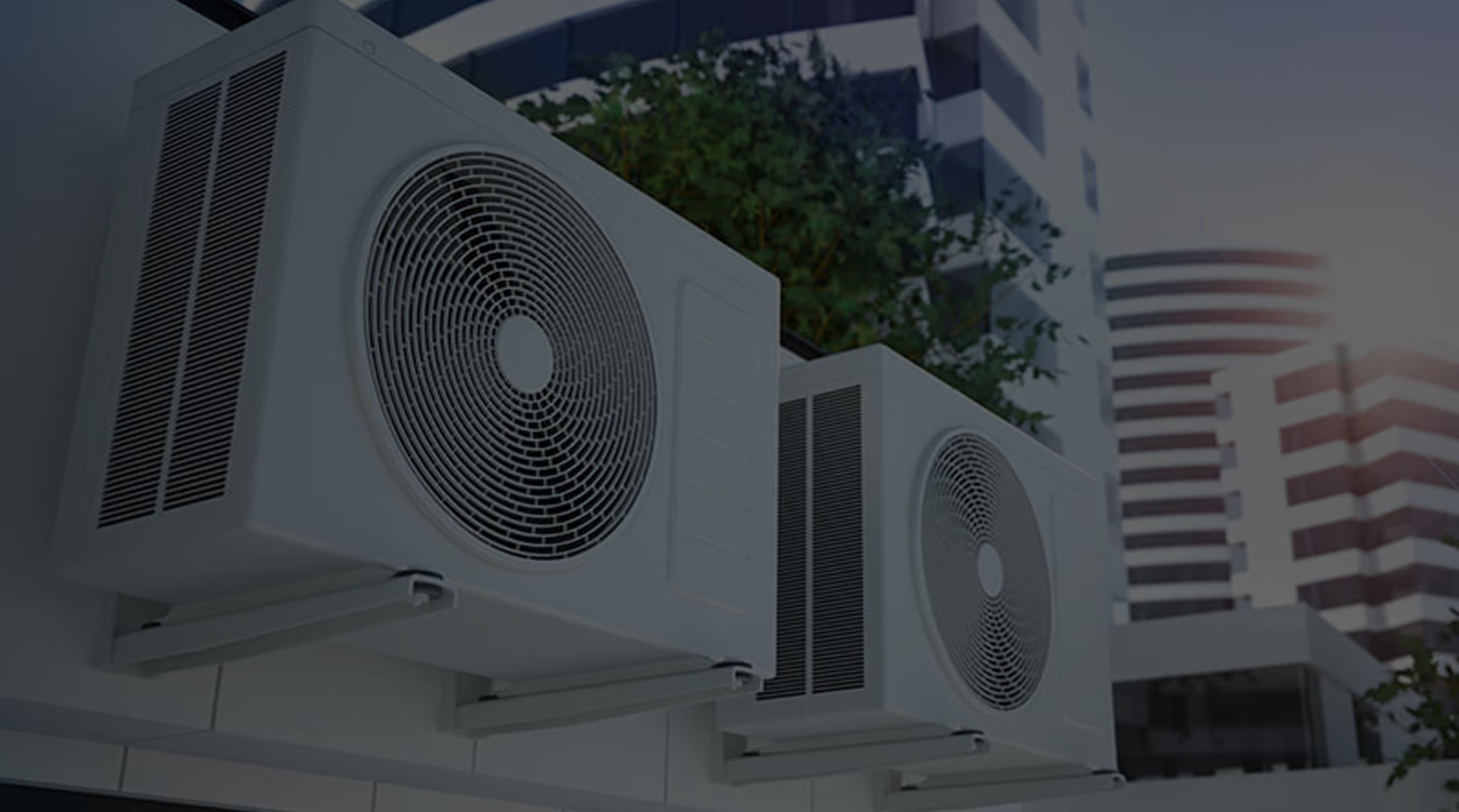
- Mounting outdoor condensers on vibration-absorbing pads, safely routing refrigerant lines, and installing indoor coils and air handlers per manufacturer specs.
- Ensuring proper refrigerant charge, tight electrical connections, and compliant condensate drainage.
- Adhering to local permitting and building code requirements to meet Newark inspection standards.
- Commissioning and performance testing
- Verifying airflow, measuring temperature split across the evaporator, checking static pressure, and confirming correct refrigerant levels.
- Testing safety controls, defrost cycles if applicable, and electrical load to ensure reliable operation during hot days.
- Documenting system settings and efficiency metrics so you understand expected performance.
- Post-installation walkthrough
- A clear orientation on system operation, thermostat programming, filter types and replacement schedules, and what to watch for in the first 30 to 90 days.
- Demonstrating zoning control, setback schedules, and quiet-mode operation if available.
- Providing written information on warranty coverage and recommended maintenance intervals.
Typical timeline and what affects it
- A straightforward replacement of like-for-like equipment often completes in one to two days.
- More complex installs that require duct modification, new ductwork, or creating a new line set and permit approvals can take several days to a couple of weeks.
- Weather, parts availability, and city permitting timelines in Newark can affect scheduling.
Warranty, maintenance, and long-term care
- Verify manufacturer warranties for compressor and parts, and keep installation documentation to protect those warranties.
- Regular maintenance preserves efficiency and reliability: filter replacement every 1 to 3 months depending on use and indoor air quality, annual tune-ups to check refrigerant, motors, and controls, and duct inspections every few years.
- Consider a preventive maintenance plan that includes seasonal checks before hot months to ensure peak performance during Newark’s warmest periods.
Benefits for Newark, CA homeowners
- Improved comfort and consistent indoor temperatures across rooms and floors.
- Lower operating costs with a properly sized, high-efficiency system and well-sealed ducts.
- Better indoor air quality with proper filtration and duct cleanliness—important in suburban and urban pockets of Newark.
- Reduced noise and vibration when systems are chosen and installed with neighborhood living in mind.
hear what our satisfied clients have to say

.svg)
Service areas
.avif)