
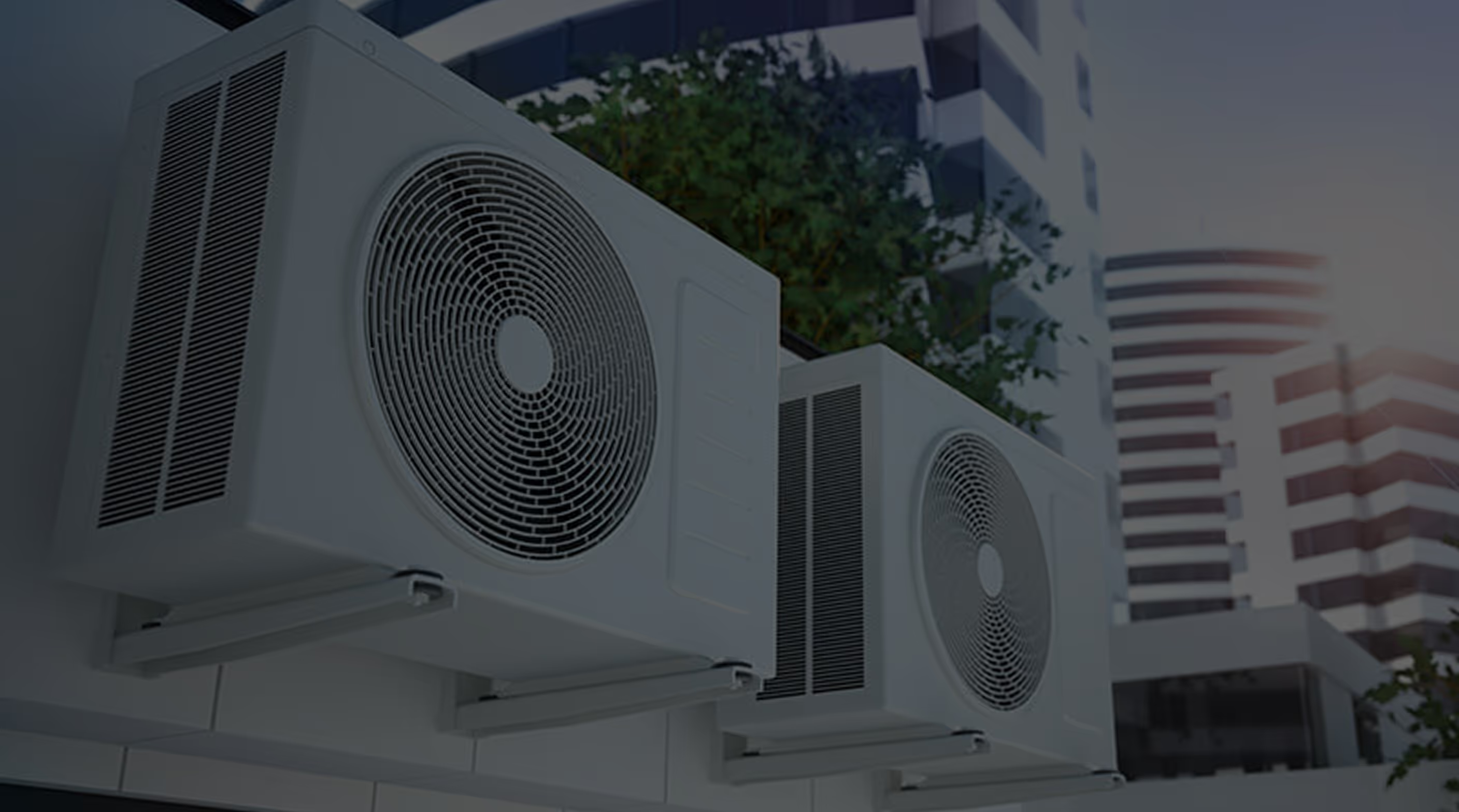
Air Conditioning Installation in Hillsborough, CA
Air conditioning installation in Hillsborough, CA is expertly handled by Plum HVAC, detailing site assessment, load calculations, equipment sizing, ductwork and electrical planning, permit coordination, and step-by-step installation. We cover common installation types, potential issues, and post-install testing, ensuring quiet operation, energy efficiency, and long-term reliability in Hillsborough homes. Our team emphasizes tailored design, adherence to Title 24 and local codes, and a thorough commissioning process, followed by maintenance recommendations and warranty documentation for ongoing comfort and value.
.jpeg)
Air Conditioning Installation in Hillsborough, CA
Installing an air conditioning system in Hillsborough, CA requires more than picking a model and scheduling a technician. Homeowners here expect systems that perform quietly, handle bay-area temperature swings, meet California energy rules, and fit discreetly into often high-end or older properties. Plum HVAC explains the full Air Conditioning Installation in Hillsborough, CA process so you understand site assessment, load calculations, equipment sizing, ductwork and electrical considerations, permit coordination, step-by-step installation, post-install testing, and long-term warranty and maintenance recommendations.
Why a tailored installation matters in Hillsborough
Hillsborough has a temperate Mediterranean climate with cool, foggy mornings and warm afternoons during summer months. Many homes feature large windows, high ceilings, and shaded lots. These factors influence cooling loads and system choices. In addition, older homes may have undersized or deteriorated ductwork and limited electrical panel capacity. Local building codes, Title 24 energy compliance, and HOA or historic-district guidelines often affect equipment location and visible components. A proper installation considers all of these to deliver comfort, efficiency, and longevity.
Common air conditioning installation types and issues in Hillsborough, CA
- Central split systems for whole-house cooling in newer or updated homes. Common issue: improper sizing and poor duct sealing that reduce efficiency.
- Ductless mini-splits for additions, historic homes, or rooms without existing ducts. Common issue: poor indoor unit placement leading to uneven cooling and aesthetics concerns.
- Heat pump systems that provide both cooling and efficient heating. Common issue: incorrect refrigerant charge or mismatched indoor/outdoor components.
- Packaged or rooftop units for certain multi-story or estate designs. Common issue: rooftop support and vibration isolation not properly addressed.
Common air conditioning installation issues in Hillsborough, CA include undersized equipment, inadequate duct insulation or sealing, insufficient electrical upgrades, noncompliant installations for Title 24, and poor site-specific placement that increases noise or reduces curb appeal.
Site assessment and load calculations
A thorough site assessment is the foundation of a correct installation. Key steps include:
- Visual inspection of the home exterior and interior, attic, crawlspace, and existing mechanical systems.
- Measurement of square footage, ceiling height, window orientation, insulation levels, and shading.
- Manual J load calculation to accurately size the system based on the home-specific heat gain and loss factors.
- Review of existing ductwork using a duct blaster or visual inspection to assess leaks, insulation, and distribution.
- Electrical panel evaluation to confirm capacity for new equipment and determine if upgrades are required.
Proper load calculations prevent oversized or undersized systems that lead to short cycling, comfort problems, and higher energy bills.
Equipment sizing, ductwork, and electrical considerations
- Equipment sizing: Use Manual J and equipment manufacturer data to pick a system with correct tonnage and capacity. Consider variable-speed compressors and higher SEER ratings for better comfort and efficiency in Hillsborough climate conditions.
- Ductwork: Inspect and, if needed, replace or retrofit ducts. Seal and insulate ducts to reduce losses. Balance registers and consider zoning for multi-level or large homes to address differing cooling needs.
- Electrical: Verify circuit availability and wire sizing, install disconnects, and ensure the service panel can handle the compressor and condenser startup loads. Where necessary, plan for panel upgrades or dedicated circuits. Consider surge protection and proper grounding per California code.
Permit and inspection coordination
Installations in Hillsborough must comply with local building codes and California Title 24 energy efficiency requirements. Permit coordination typically includes:
- Submitting equipment specifications and load calculations to the Hillsborough Building Department or the local jurisdiction overseeing permits.
- Securing permits for mechanical, electrical, and any structural work.
- Scheduling inspections for rough-in, electrical, and final installation stages.
- Addressing HOA or historic-district restrictions on equipment location and visibility when applicable.
Coordinating permits and inspections up front avoids costly rework and keeps projects on schedule.
Step-by-step installation procedure
- Pre-install preparation: Confirm final equipment selection, obtain permits, and plan staging for access and noise mitigation.
- Site protection: Protect floors, landscaping, and finishes while bringing in equipment.
- Electrical rough-in: Install or upgrade circuits, disconnects, and panel work needed before final equipment connection.
- Ductwork and condenser placement: Repair or install ducts, set the outdoor unit on a level pad, and route refrigerant lines and electrical conduit.
- Indoor unit installation: Install air handler, coils, or ductless indoor units, sealing connections and ensuring proper clearances.
- Refrigerant lines and evacuation: Connect lines, vacuum the system to remove moisture and non-condensables, then charge to manufacturer specifications.
- Insulation and sealing: Insulate refrigerant lines, seal duct connections, and install vibration isolation for the condenser.
- Final electrical hookups and controls: Wire the thermostat, controls, and safety devices. Verify communication between components.
- Clean-up and site restoration: Remove debris, restore disturbed landscaping or finishes, and prepare for testing.
Post-installation testing and homeowner walkthrough
After installation, a thorough commissioning process ensures peak performance:
- Verify refrigerant charge and operating pressures.
- Measure airflow, static pressure, and temperature split across the evaporator coil.
- Confirm electrical loads, starting currents, and safety device operation.
- Check thermostat calibration, control logic, and any zoning functions.
- Perform noise and vibration checks, especially where neighbors or HOA restrictions apply.
The homeowner walkthrough covers system operation, filter locations and replacement intervals, thermostat programming for comfort and efficiency, and reviewing warranty and maintenance documentation. Provide clear records of equipment model numbers, serial numbers, and installed locations for future service and warranty registration.
Warranty and maintenance recommendations
- Manufacturer warranty: Review compressor and component warranties and explain any conditional coverage requirements like annual maintenance.
- Installer warranty: Note typical workmanship coverage and what it includes.
- Maintenance schedule: Recommend at minimum biannual professional tune-ups - one before cooling season and one before heating season if using a heat pump. Regular maintenance items include cleaning coils, checking refrigerant levels, replacing or cleaning filters every 1 to 3 months depending on use, and verifying duct seals and insulation.
- Long-term planning: Consider service agreements for priority scheduling and seasonal checks, and maintain records for future resale value and warranty compliance.
hear what our satisfied clients have to say

.svg)
Service areas
.avif)