

Mini Split Tune-Up in Belmont, CA
Professional mini split maintenance in Belmont, CA by Plum HVAC ensures optimal performance and reliability, especially in our coastal climate. A complete tune-up includes checking and cleaning filters and coils, accurately measuring refrigerant pressures, inspecting electrical systems thoroughly, verifying optimal airflow, calibrating thermostats, evaluating drainage, and inspecting outdoor units. Homeowners gain insights on typical service duration, costs, and convenient recurring maintenance plan options from Plum HVAC. Benefits include improved energy efficiency, enhanced reliability, longer equipment life, balanced comfort, and better indoor air quality. Practical maintenance tips and recommended service intervals help Belmont residents keep their systems performing at peak efficiency year-round.
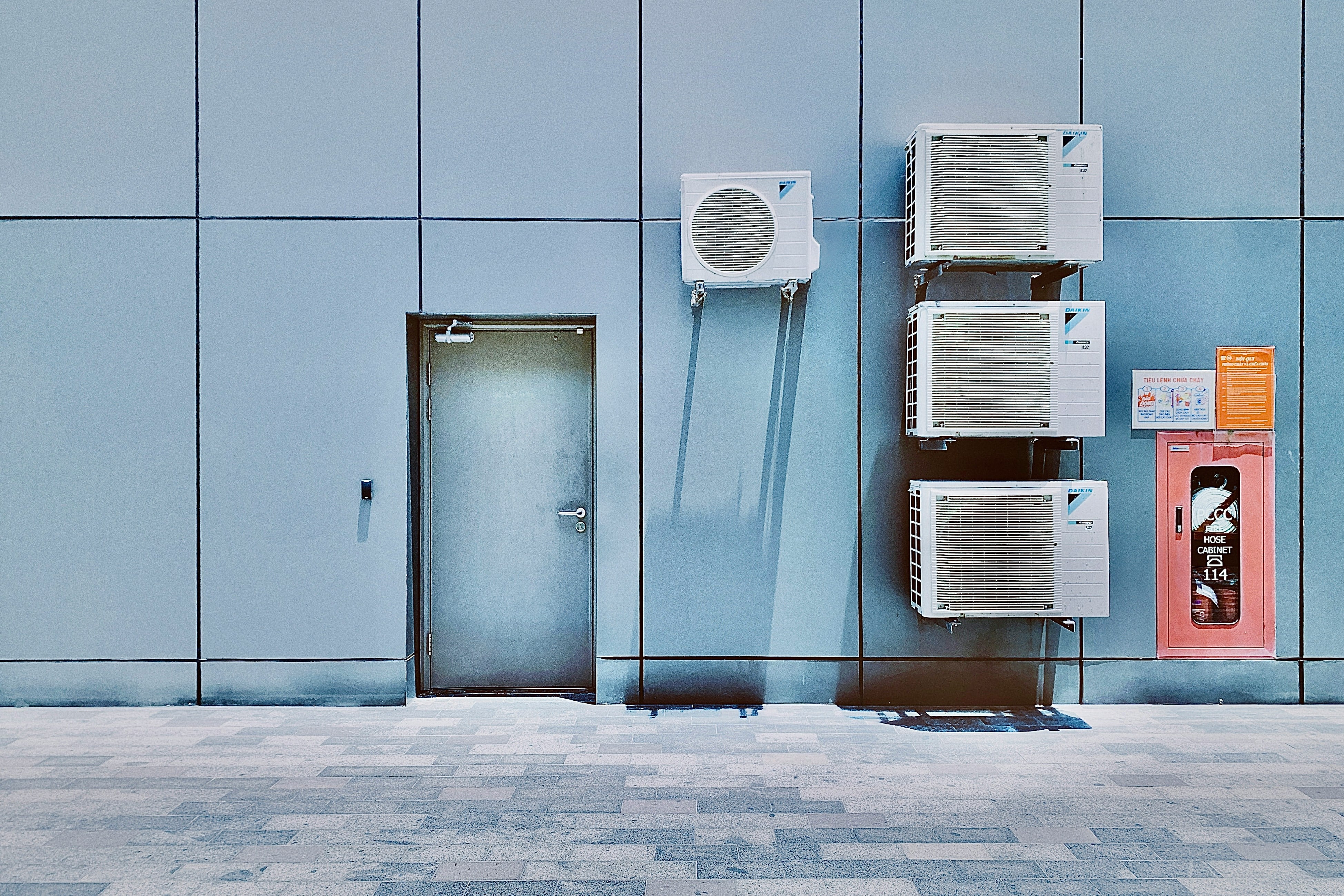
Mini Split Tune-up in Belmont, CA
Keeping your mini split running efficiently is particularly important for homes in Belmont, CA. Coastal influence, seasonal fog, occasional wildfire smoke, and the Bay Area’s mix of mild summers and cool winters can create conditions that accelerate coil soiling, filter clogging, and control drift. A professional Mini Split Tune-up in Belmont, CA focuses on restoring performance, reducing energy use, and preventing unexpected downtime for single-head and multi-zone systems common in peninsula houses.
Why a tune-up matters for Belmont homes
- Coastal humidity and salt air increase corrosion risk and can reduce heat-exchanger performance over time.
- Spring pollen and summer wildfire smoke clog filters faster than in many inland locations.
- Multi-zone mini split systems used for zoned comfort need accurate calibration to deliver balanced temperatures across rooms.
A timely tune-up addresses these regional stressors so your system runs reliably and efficiently year-round.
What a complete mini split tune-up includes
Our standard tune-up checklist covers the items most important for safety, efficiency, and reliability:
- Filter cleaning or replacement - inspect and clean washable filters; recommend replacement types and intervals for Belmont air conditions.
- Indoor and outdoor coil cleaning - remove dust, pollen, salt residue, and soot to restore heat transfer.
- Refrigerant pressure verification - check system pressures to confirm proper refrigerant charge and detect leaks.
- Electrical safety checks - inspect wiring, connections, fuses, and contactors for wear or overheating.
- Airflow testing and balancing - measure airflow from each indoor head and adjust vanes or fan speeds to correct imbalances.
- Control and thermostat calibration - verify remote and wall control responses, sensor accuracy, and mode operation.
- Drain line inspection and condensate check - clear clogs and confirm proper condensate removal to prevent water damage.
- Outdoor condensing unit inspection - check fan operation, mounting integrity, and clear debris from airflow paths.
- Operational performance test - run the system through heating and cooling cycles and document temperature differentials and runtime behavior.
- Service report and recommendations - provide a clear summary of findings, prioritized repairs, and maintenance suggestions tailored to Belmont conditions.
What each step does and common issues found in Belmont
- Filter cleaning/replacement: Restores airflow and indoor air quality. In Belmont, expect accelerated filter loading from coastal pollen and episodic smoke, which can force the system to run longer and reduce efficiency.
- Coil cleaning: Dirty coils lower heat transfer, increasing runtime and electrical consumption. Salt residue near the Bay can cause pitting or restricted fins if not cleaned regularly.
- Refrigerant pressure verification: Low or high charge causes poor cooling or heating, increased compressor wear, and potential failure. Pressure checks help detect slow leaks common in older lines.
- Electrical checks: Loose connections and worn contactors are common wear points; coastal humidity can accelerate corrosion and electrical resistance issues.
- Airflow testing: Multi-head systems can have imbalanced airflow due to incorrect settings, dirty internals, or duct obstructions around indoor heads, resulting in uneven temperatures.
- Control calibration: Miscalibrated sensors, dead remotes, or outdated firmware lead to inefficient cycles and occupant discomfort. Calibration ensures accurate sensing and proper staging.
Typical duration and cost factors
- Typical tune-up duration: most single-head mini split tune-ups take about 60 to 90 minutes. Multi-zone systems with 2-4 indoor heads generally require 90 to 180 minutes depending on accessibility and condition.
- Cost is influenced by: number of indoor units, level of coil or filter cleaning required, whether refrigerant leaks or electrical repairs are found, and accessibility of the outdoor unit. Corrosion or advanced wear in Belmont homes (from salt air or older installations) can increase the scope of work.
- When additional repairs are needed: The tune-up will document required repairs and estimate hours and parts separately from the standard tune-up service.
Benefits of a regular tune-up
- Improved energy efficiency and lower monthly operating costs by restoring designed airflow and heat transfer.
- Greater reliability and fewer mid-season breakdowns through early detection of wear and leaks.
- Longer equipment life by reducing compressor strain and ensuring electrical components operate within safe parameters.
- Better indoor comfort with balanced airflow and correctly calibrated controls.
- Health and air quality improvements by keeping filters and coils clean, especially important during wildfire season or high pollen periods.
Recommended tune-up frequency for Belmont
- Standard recommendation: at least once per year for most mini splits, scheduled before the heaviest use season (spring for cooling readiness or fall for heating readiness).
- Higher-risk scenarios that warrant twice-yearly service: homes in immediate coastal exposure, properties with frequent wildfire smoke intrusion, or multi-family units with high runtime.
- New installations: an initial post-installation check at 3 to 6 months can catch commissioning issues and confirm the system is performing as expected in local conditions.
Recurring tune-up plan options
Recurring plans are typically structured to match homeowner needs and system complexity:
- Annual maintenance plan: one tune-up per year with a service report and priority scheduling for repairs identified during the visit.
- Bi-annual plan: two tune-ups per year timed for pre-summer and pre-winter checkups, recommended for coastal or wildfire-prone Belmont areas.
- Multi-unit plan: tailored cadence and reporting for homes with several indoor heads or multiple properties, focusing on system balance and efficiency across zones.
Each plan usually includes a standard checklist, discounted diagnostic rates for follow-up repairs, and documented maintenance history for equipment records.
Quick maintenance tips between tune-ups
- Clean washable filters every 1 to 3 months, more often during pollen season or wildfire events.
- Keep the outdoor unit clear of leaves, pollen, and yard debris to maintain airflow.
- Monitor for unusual noises, odors, or uneven room temperatures and note when they occur to help technicians diagnose issues faster.
- Ensure indoor heads are not blocked by furniture or curtains to preserve designed airflow.
A comprehensive Mini Split Tune-up in Belmont, CA reduces the chances of unexpected failures, optimizes comfort for local climate conditions, and preserves system value. Regular inspections and cleanings tailored to the peninsula’s environmental demands deliver reliable performance and greater energy efficiency over the life of the system.
hear what our satisfied clients have to say

.svg)
Service areas
.avif)