
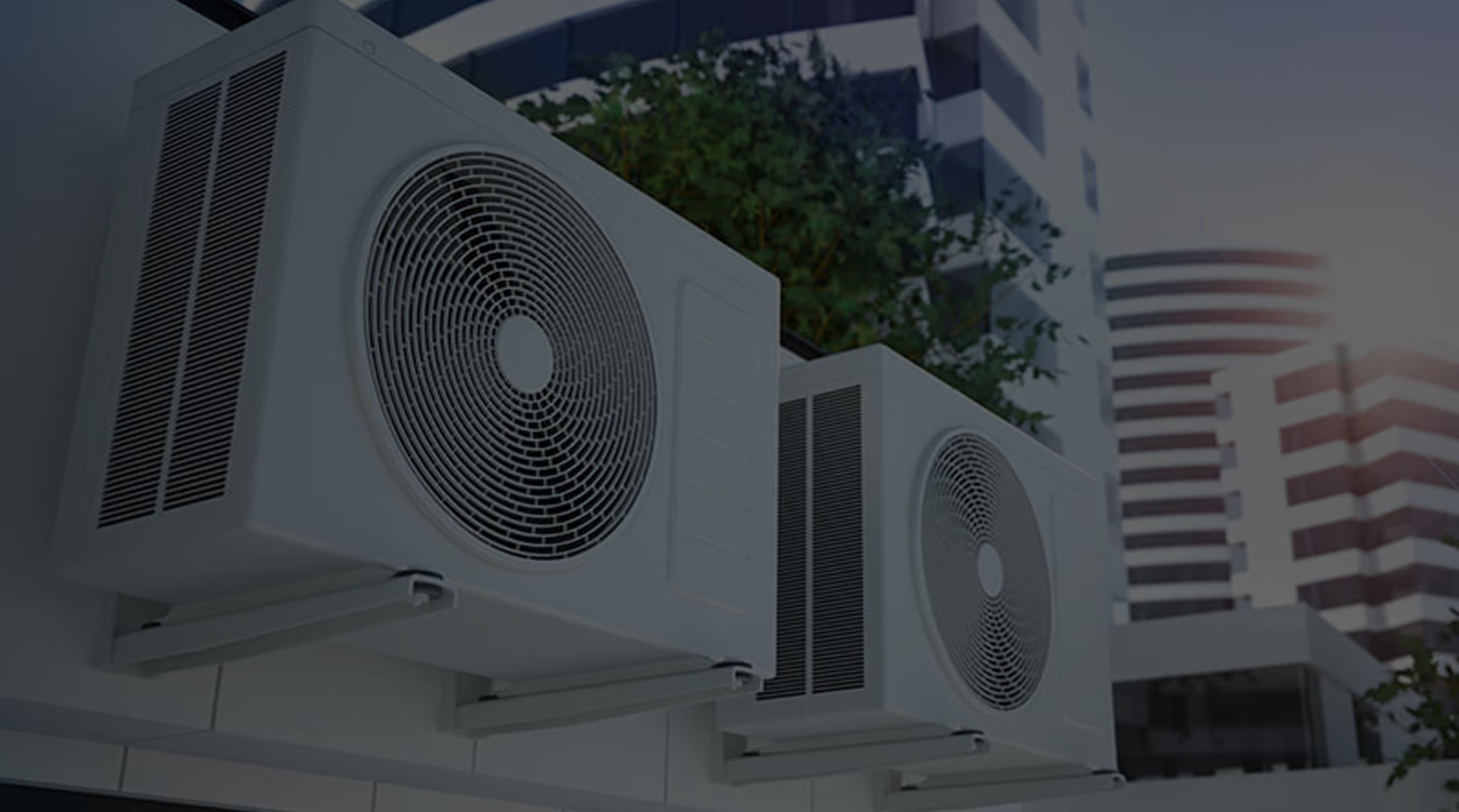
Mini Split Replacement in San Mateo, CA
A mini split replacement in San Mateo starts with Plum HVAC's thorough evaluation of your existing system, precise sizing, and selection of high-efficiency equipment perfectly tailored to your home’s needs. Our process includes the safe removal and disposal of old units, coordination of all necessary permits and inspections, and a clear installation sequence for both single- and multi-zone projects. Homeowners benefit from access to local rebate programs, and the assurance that all work meets California code requirements. Upgrading to a modern, inverter-driven mini split system through Plum HVAC delivers quieter operation, improved zoning, enhanced efficiency, and consistent year-round comfort throughout your Bay Area home.
%2520(1)-min.jpeg)
Mini Split Replacement in San Mateo, CA
Replacing a mini split in San Mateo requires more than swapping indoor heads and an outdoor compressor. Homeowners here need solutions tailored to local climate, building types, and California regulations. This page explains the full replacement process so you know what to expect: evaluation of existing equipment, correct sizing, energy-efficient model recommendations, safe removal and disposal, installation steps, permit and inspection coordination, expected timelines, available rebates, and the benefits of upgrading to a modern system.
Why replace a mini split in San Mateo
San Mateo’s mild, coastal-influenced climate means systems run year-round for both heating and cooling. Many Bay Area homes were fitted with older mini splits that now suffer efficiency degradation, refrigerant phase-outs, or failing compressors. Common replacement triggers include:
- Frequent breakdowns or compressor failure
- Loss of cooling or heating capacity from wear or leaks
- Older systems using phased-out refrigerants or lacking modern inverter technology
- Need for improved zoning or quieter operation in bedrooms and home offices
- Electrical panel limitations when adding more capacity
Replacing rather than repairing is often the better long-term value when the unit is over 10 years old, repair costs are rising, or you want to take advantage of newer heat-pump efficiency.
Common mini split problems in San Mateo homes
- Reduced output due to refrigerant leaks or compressor wear
- Improperly sized units causing short cycling and higher bills
- Corrosion or damage from coastal moisture and marine air
- Insufficient condensate management leading to indoor leaks
- Outdated controls without smart or zoning capabilities
Understanding these issues helps determine whether replacement is necessary and what features will deliver the best comfort and efficiency for local conditions.
Evaluation and sizing: what a proper assessment covers
A professional replacement starts with a thorough evaluation:
- Inspect existing equipment condition, refrigerant type, and line-set routing
- Perform a heat-loss and heat-gain calculation (Manual J or equivalent) to determine accurate capacity needs
- Assess electrical supply, breaker capacity, and potential need for panel upgrades
- Review indoor head placement for airflow, noise, and aesthetics
- Check for duct or structural constraints if planning multi-zone work
Correct sizing is critical. In San Mateo’s moderate climate, oversizing is a common mistake that causes short cycling and humidity control problems. Modern inverter-driven systems allow precise capacity modulation, which is especially useful in Bay Area homes with varying daily loads.
Recommended energy-efficient features and model types
When selecting a replacement, prioritize these features:
- Variable-speed inverter compressor for consistent comfort and lower energy use
- Higher SEER and HSPF ratings for better seasonal efficiency
- Compatible modern refrigerants with lower global warming potential
- Multi-zone capability if you want independent control across rooms
- Built-in dehumidification and quiet indoor units for bedrooms and home offices
- Smart controls and Wi-Fi integration for scheduling and energy monitoring
- Corrosion-resistant outdoor coils or specially coated units for coastal environments
Choosing a right-sized, high-efficiency mini split tuned for San Mateo’s conditions will maximize comfort and operating savings.
Removal and disposal: safety and compliance
Proper removal is a safety and regulatory requirement:
- Certified technicians must recover refrigerant per EPA rules before disassembly
- Outdoor and indoor units are detached, secured, and transported for recycling
- Metals, circuit boards, and insulation are recycled or disposed of according to local regulations
- Any required electrical disconnects are completed by a licensed electrician
Disposal also includes addressing old mounting hardware, patching wall penetrations, and properly sealing or rerouting line-sets if needed.
Installation overview and typical timelines
A typical replacement process includes these steps:
- Pre-install assessment and product selection
- Pull permits with the local building department (City of San Mateo or San Mateo County as applicable)
- Equipment delivery and staging
- Removal of old system and refrigerant recovery
- Installation of new outdoor unit and indoor heads, line-sets, condensate lines, and electrical connections
- System startup, refrigerant charging if required, and performance testing
- Final inspection by the local authority having jurisdiction
Timeline expectations:
- Simple direct-replacement of a single-zone unit: often completed in one day once permits are issued
- Multi-zone systems or projects requiring electrical work or structural modifications: several days of on-site work plus permit processing time
- Permit review and scheduling inspections can add days to a few weeks depending on workload at the local building department
Permits, inspections, and compliance in San Mateo
Replacement work typically requires mechanical and electrical permits. Key points:
- Plans or equipment specifications may be submitted for permit review
- Installations must comply with California building and energy codes, including Title 24 efficiency standards
- Refrigerant handling and disposal must follow federal EPA regulations
- Final inspections confirm safe electrical connections, proper refrigerant handling, and mechanical installation
Coordinate permit submissions early to avoid delays and ensure code compliance for future resale or audit.
Rebates and incentives available in the Bay Area
San Mateo homeowners may qualify for multiple incentive streams:
- Local utility rebates or incentives for high-efficiency heat pumps through regional programs
- State-level incentives supporting home electrification and energy efficiency
- Federal tax credits or credits for replacing less efficient systems with qualifying heat pumps
Rebate and incentive availability changes periodically and often depends on equipment efficiency, installer certification, and income or electrification programs. Documenting equipment specifications and installation details during replacement is essential for rebate applications.
Benefits of upgrading to a modern mini split
Upgrading brings multiple advantages:
- Improved seasonal energy efficiency and lower operating costs
- Better temperature control and quieter operation with variable-speed compressors
- Enhanced indoor comfort with superior humidity control
- Zoning options for targeted comfort and reduced energy waste
- Compatibility with modern smart thermostats and home automation
- Reduced environmental impact when switching to low-GWP refrigerants
- Increased home value and compliance with current building standards
In San Mateo, where many homes balance heating and cooling needs year-round, the efficiency and comfort gains are particularly meaningful.
Maintenance and expected lifespan
After replacement, expect:
- Annual or biannual maintenance: clean filters, check coil cleanliness, inspect condensate lines, verify refrigerant levels, and test electrical connections
- Proactive service will extend life and preserve efficiency; modern mini splits typically last 12-20 years with proper care
- Keep outdoor units clear of debris and maintain good airflow around outdoor condensers, especially with coastal vegetation growth
Regular maintenance also helps validate warranties and ensure eligibility for ongoing incentive programs.
Conclusion: A well-planned mini split replacement in San Mateo balances accurate sizing, modern energy-efficient features, compliant removal and disposal, and coordinated permitting. Upgrading delivers better comfort, quieter operation, and improved energy performance—advantages that are especially relevant for Bay Area homes dealing with year-round mild heating and cooling needs. Understanding the process, timelines, and incentive options will make your replacement smoother and protect your investment in long-term comfort and efficiency.
hear what our satisfied clients have to say

.svg)
Service areas
.avif)