
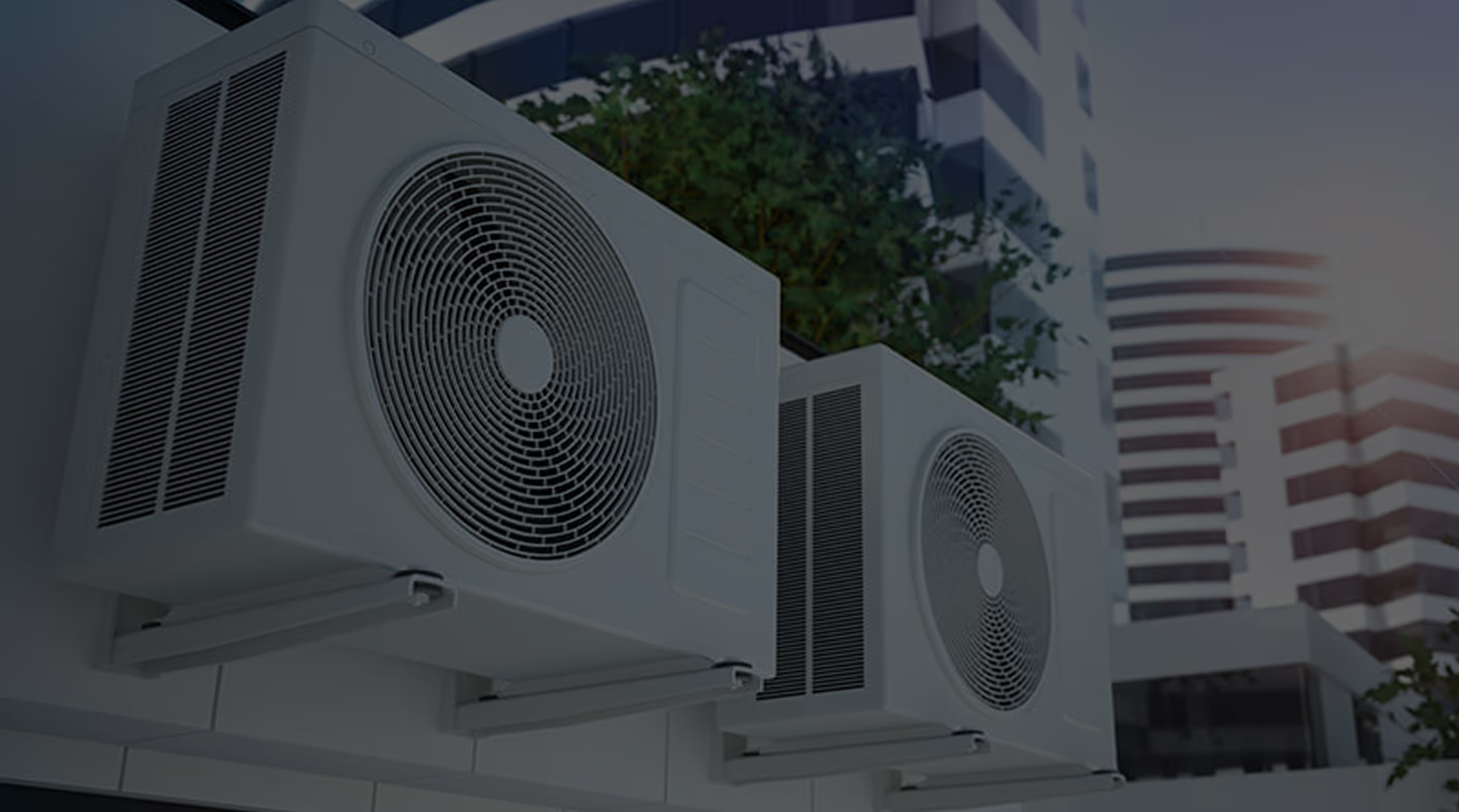
Mini Split Repair in Portola Valley, CA
Portola Valley residents can rely on Plum HVAC for thorough mini-split repair. We outline common faults, diagnostic steps, and practical fixes. We can address compressor, refrigerant, electrical, thermostat, airflow, inverter, and outdoor-unit issues. We'll explain our step-by-step process, from initial symptom review through leak testing and control verification.
We also list typical replacements, expected timeframes, warranty considerations, emergency options, and homeowner troubleshooting tips. We emphasize timely service to preserve efficiency, comfort, and indoor air quality in your home. Trust Plum HVAC to get your system back in shape quickly.
-min.jpeg)
Mini Split Repair in Portola Valley, CA
Mini split systems are a common, efficient way to heat and cool homes in Portola Valley, CA—especially in properties where zoning, historic facades, or limited ductwork make conventional HVAC impractical. Proper, timely mini split repair prevents comfort disruptions, limits energy waste, and protects indoor air quality during hot summer spells and seasonal wildfire smoke events. This page explains the most common mini split faults found in Portola Valley homes, how we diagnose and repair them, typical parts that may be replaced, expected timeframes, warranty considerations, emergency repair options, and homeowner troubleshooting tips.
Common mini split issues in Portola Valley homes
Portola Valley’s climate and local home styles produce a set of recurring mini split problems:
- Compressor problems — reduced cooling capacity, loud humming or failure to start. Compressors can be stressed by extended heatwaves or refrigerant issues.
- Refrigerant leaks — low charge leads to freezing coils, poor cooling, or higher energy use. Leaks are more common at fittings and service valves.
- Electrical faults — tripped breakers, failed capacitors, burned relays, or damaged control boards often cause intermittent operation or total failure.
- Thermostat and communication errors — lost signals between wall controllers and indoor/outdoor units can prevent proper staging or mode changes.
- Airflow and drainage issues — dirty filters, blocked evaporator fins, or clogged condensate drains cause poor airflow, water leakage, or frozen coils.
- Inverter or variable-speed faults — modern mini splits use inverter technology; faults may show as error codes, irregular cycling, or diminished performance.
- Outdoor-unit damage — debris, leaf buildup, or physical damage (including from heavy rains or landscaping work) reduces outdoor condenser efficiency.
How we diagnose a mini split problem (step-by-step)
A clear, methodical diagnostic process identifies root causes so repairs are effective and lasting:
- Initial walkthrough and symptom review — document temperatures, noises, error codes, and homeowner observations.
- Safety checks — verify breakers, fuses, disconnects, and proper voltage to indoor and outdoor units.
- Visual inspection — check outdoor unit condition, line sets, indoor units, filters, and drain lines.
- Error-code readout and control verification — retrieve codes from the wall controller or PCB and confirm communication between components.
- Refrigerant and pressure testing — use gauges and leak detection (electronic sniffers or UV dye when appropriate) to confirm leaks and charge condition.
- Electrical component testing — check capacitors, contactors, motors, and control boards under load.
- Airflow measurement and coil assessment — measure temperature split and airflow to assess evaporator/condenser performance.
- Report and repair plan — present findings and the recommended repair path and parts required.
Typical repairs and parts replacement
Repairs focus on restoring system integrity and preventing recurring failures. Common parts replaced on mini splits:
- Compressors (replacement or rebuild)
- Refrigerant line repair and brazing; line-set replacement when corroded or damaged
- Refrigerant recovery and recharge (per code)
- Indoor/Outdoor PCB (control board) replacement
- Fan motors and blower assemblies
- Capacitors, contactors, and relays
- Expansion valves or TXVs
- Reversing valves (common on heat pump mini splits)
- Drain pumps and condensate pans
- Filters, air handlers, and coil cleaning or coil repairs
- Thermostats/wall controllers and communication cabling
Parts selection is matched to the system make and model to preserve performance and any remaining manufacturer warranty.
Expected timeframes for diagnosis and repair
- Diagnostic visit: Typically 30 to 90 minutes to identify the issue and outline a repair plan.
- Minor repairs and maintenance: Replacing filters, unclogging drains, cleaning coils, or swapping capacitors often completes in a single visit (1–3 hours).
- Intermediate repairs: Fan motors, valves, or control board replacements generally require several hours and may be completed same day if parts are available.
- Major repairs: Compressor replacement or extensive refrigerant line work can take half to a full day and may require scheduling if parts are not immediately on hand.
Timeframes vary based on system age, part availability, and complexity. Estimates and timelines are provided after the on-site diagnosis.
Warranty and parts information
Manufacturer parts and compressor warranties vary by brand and model; many compressors carry multi-year warranties while electronic components may have shorter coverage. Independent replacement parts often include their own limited warranties, and labor warranty terms vary by service practice. After diagnosis, we document which components are under factory warranty, which replacements use OEM or equivalent parts, and the applicable labor warranty period so homeowners in Portola Valley understand protection for repairs.
Emergency and same-day repair considerations
Portola Valley homeowners sometimes need rapid service during extreme heat, wildfire air quality events, or when a primary living area loses HVAC. Emergency or same-day repair options focus on stabilizing comfort quickly:
- Temporary fixes to restore operation (reset, restart, temporary charging if safe and legal, fan or control bypass)
- Priority diagnostic visits to identify time-sensitive failures
- Sourcing common replacement parts quickly when possible
Limitations include parts availability and the need for refrigerant handling and recovery per regulations. Some major component replacements may require planning to ensure proper fitment and code-compliant refrigerant handling.
Troubleshooting tips for homeowners
Before requesting repair, these safe checks can help identify simple issues without risking system damage:
- Check the circuit breaker and outdoor disconnect. Reset if tripped.
- Inspect and clean or replace indoor filters monthly during heavy use; restricted airflow is a common performance culprit.
- Ensure indoor units are set to the correct mode and thermostat temperature; check batteries in wireless controllers.
- Clear leaves, brush, or debris from around the outdoor unit to maintain airflow.
- Verify condensate drain lines are clear and that the drain pan is not overflowing.
- Listen for unusual noises (clicking, grinding, or loud rattles) and note when the problem occurs.
- Do not attempt refrigerant charging or tampering with electrical components—these are regulated and can be dangerous.
In Portola Valley, increased filter changes during wildfire smoke seasons and seasonal inspections before heat waves can prevent urgent failures and maintain indoor air quality.
Why timely mini split repair matters
Prompt repair preserves system efficiency, extends equipment life, and maintains consistent comfort. Addressing small issues—like a slow refrigerant leak or a failing capacitor—before they escalate into compressor failure can save significant disruption and avoid larger replacements. For Portola Valley homes, where zoning, aesthetic constraints, and indoor air quality are top priorities, keeping mini split systems well-maintained and repaired to manufacturer standards protects comfort, energy costs, and indoor health.
If you need a clear diagnosis, an explanation of recommended repairs and parts, or details on warranty coverage for your specific mini split, a professional on-site evaluation will identify the most reliable path forward.
hear what our satisfied clients have to say

.svg)
Service areas
.avif)